Sustainable Packaging and Circular Economy
Pretty Ugly Bag Project
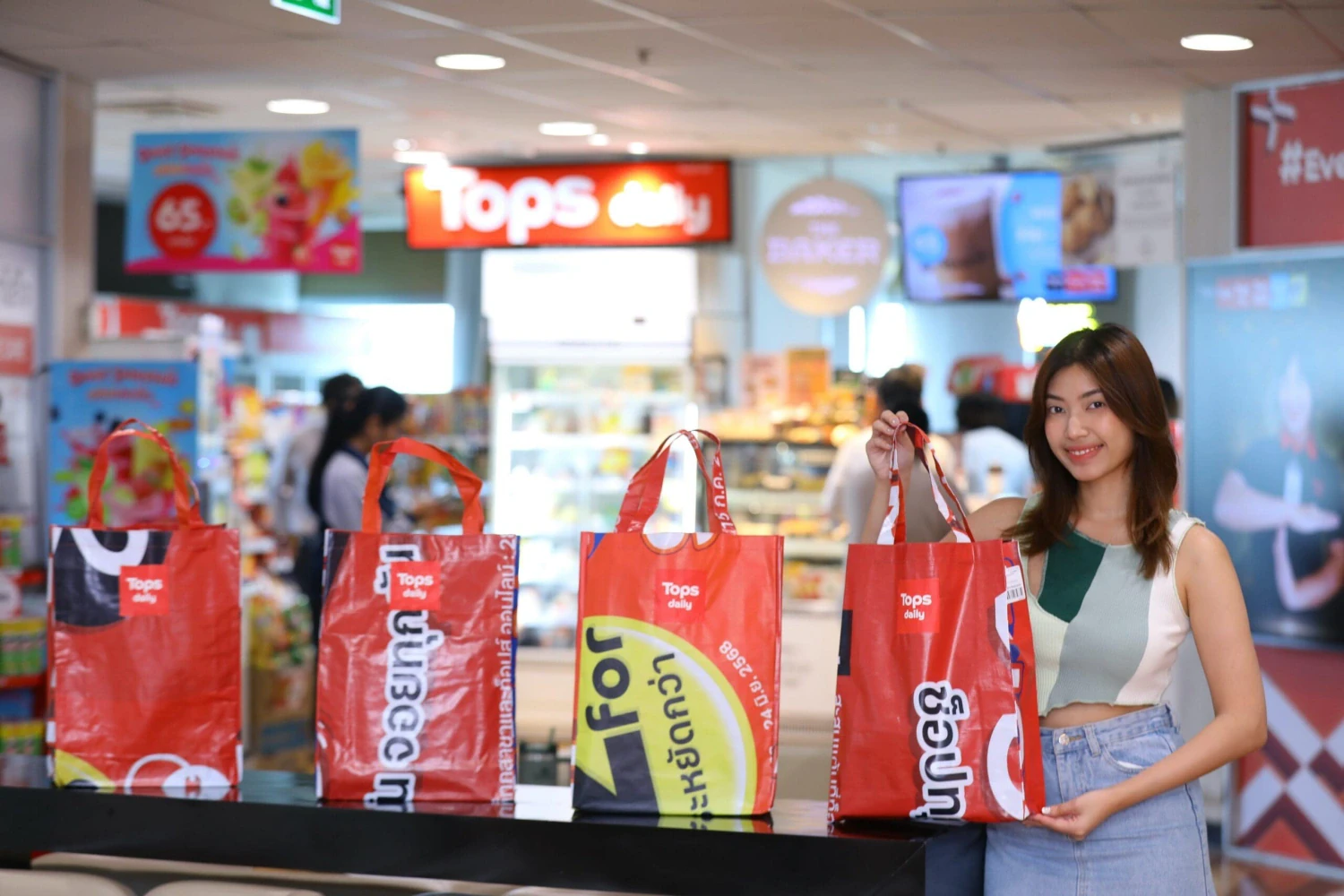
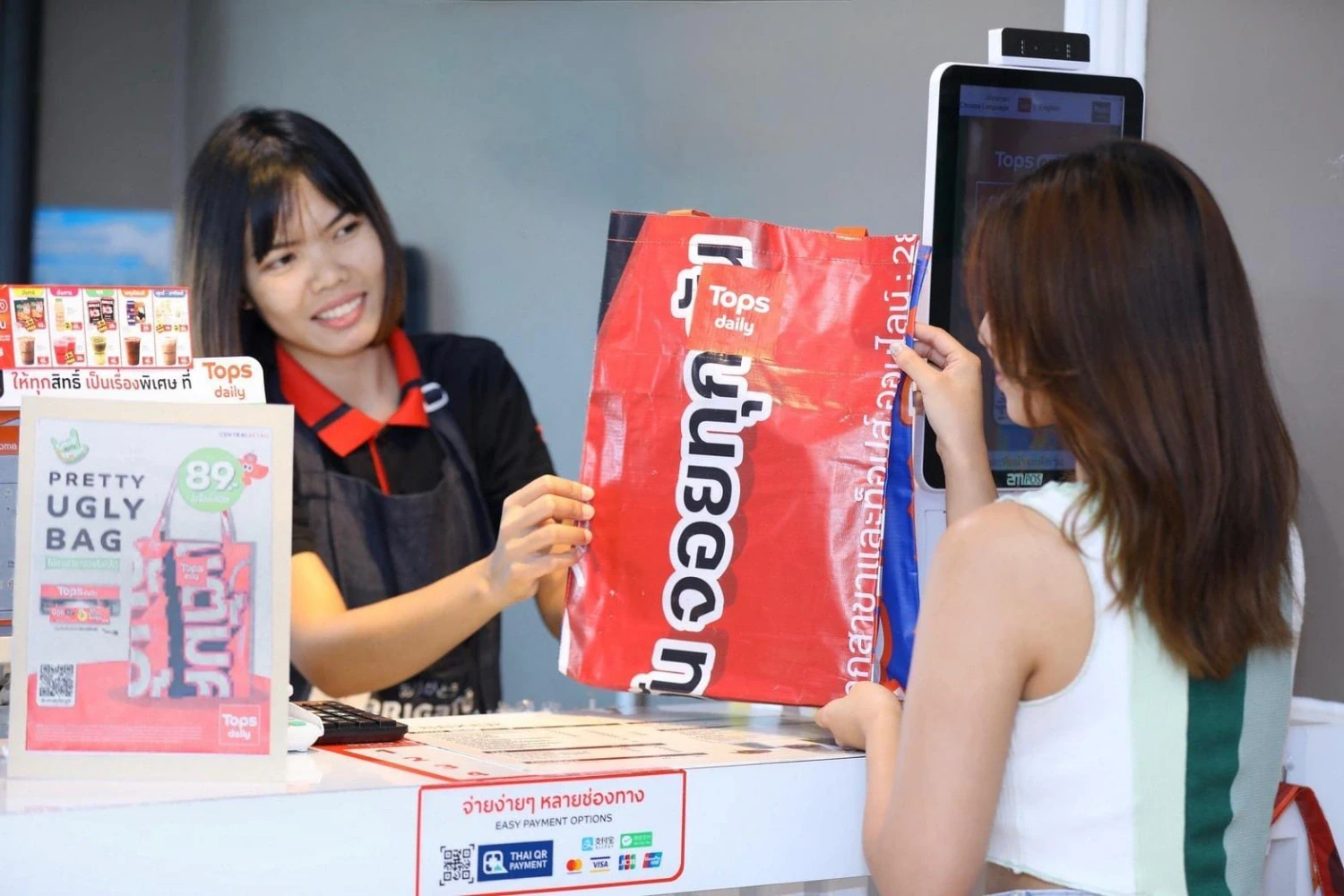
In 2025, Tops, the food business under Central Retail, launched the “Pretty Ugly Bag” initiative under the concept “Ugly Bag, Pretty World” to promote resource efficiency and reduce waste through upcycling. The project transforms used vinyl advertising banners from Tops Daily stores into reusable shopping bags, extending the life cycle of discarded materials while supporting Circular Economy principles. To further encourage reuse, customers are entitled to a lifetime replacement if their bag is damaged through normal use.
In the first phase of the project, Tops aims to upcycle approximately 50% of the used vinyl banners generated annually into more than 20,400 reusable shopping bags. The initiative is expected to reduce greenhouse gas emissions by approximately 2.87 tCO₂e while creating new value from materials that would otherwise become waste. It also encourages customers to adopt more responsible consumption practices through the use of durable, reusable bags.
The Pretty Ugly Bag initiative forms part of Tops’ 12 Missions to Sustainable Retail strategy, which focuses on the principles of Reduce, Reuse, and Recycle. Through innovative resource management and customer engagement, the project supports Central Retail’s commitment to advancing the Circular Economy and achieving Net Zero greenhouse gas emissions by 2050.
Packaging Management Project
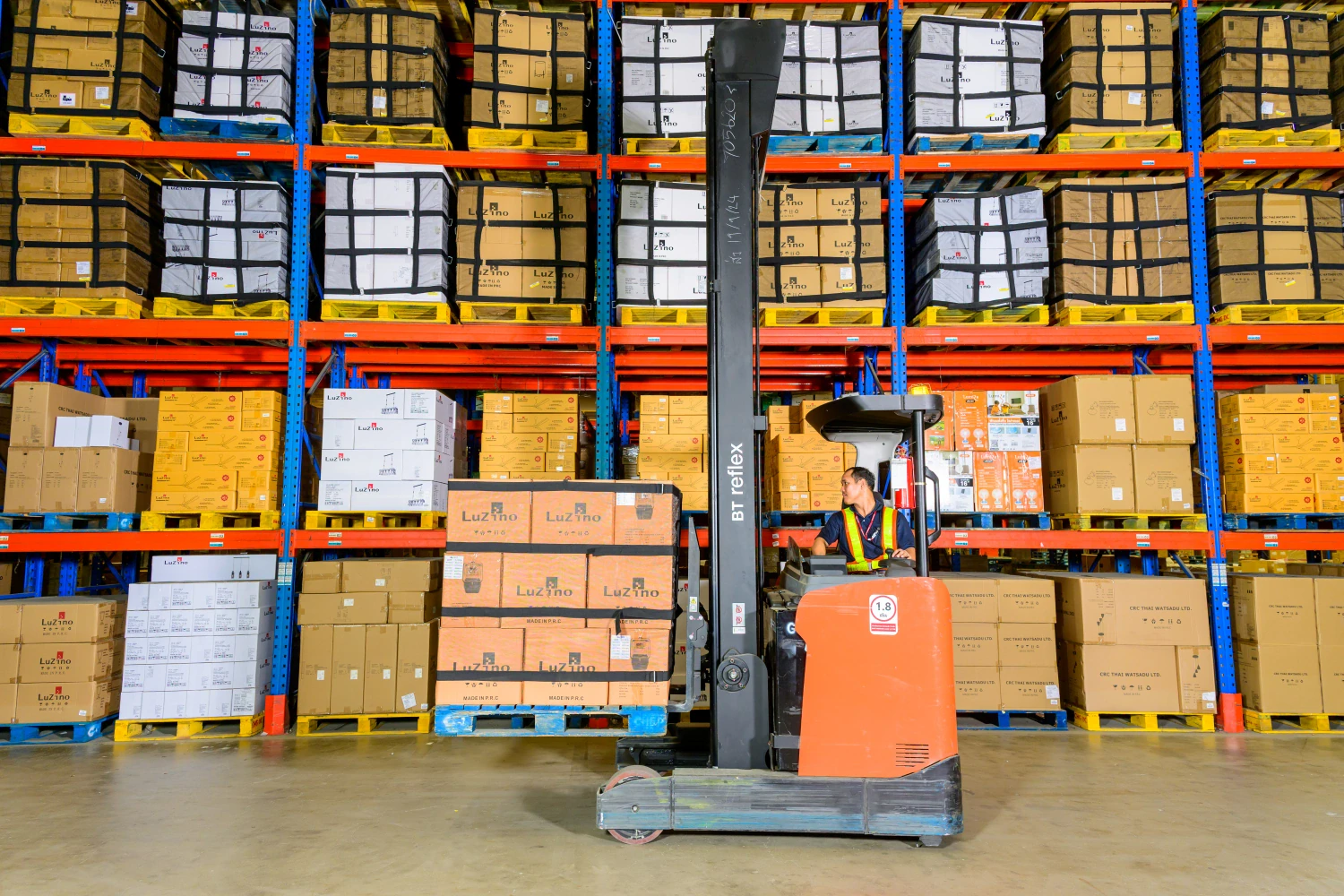
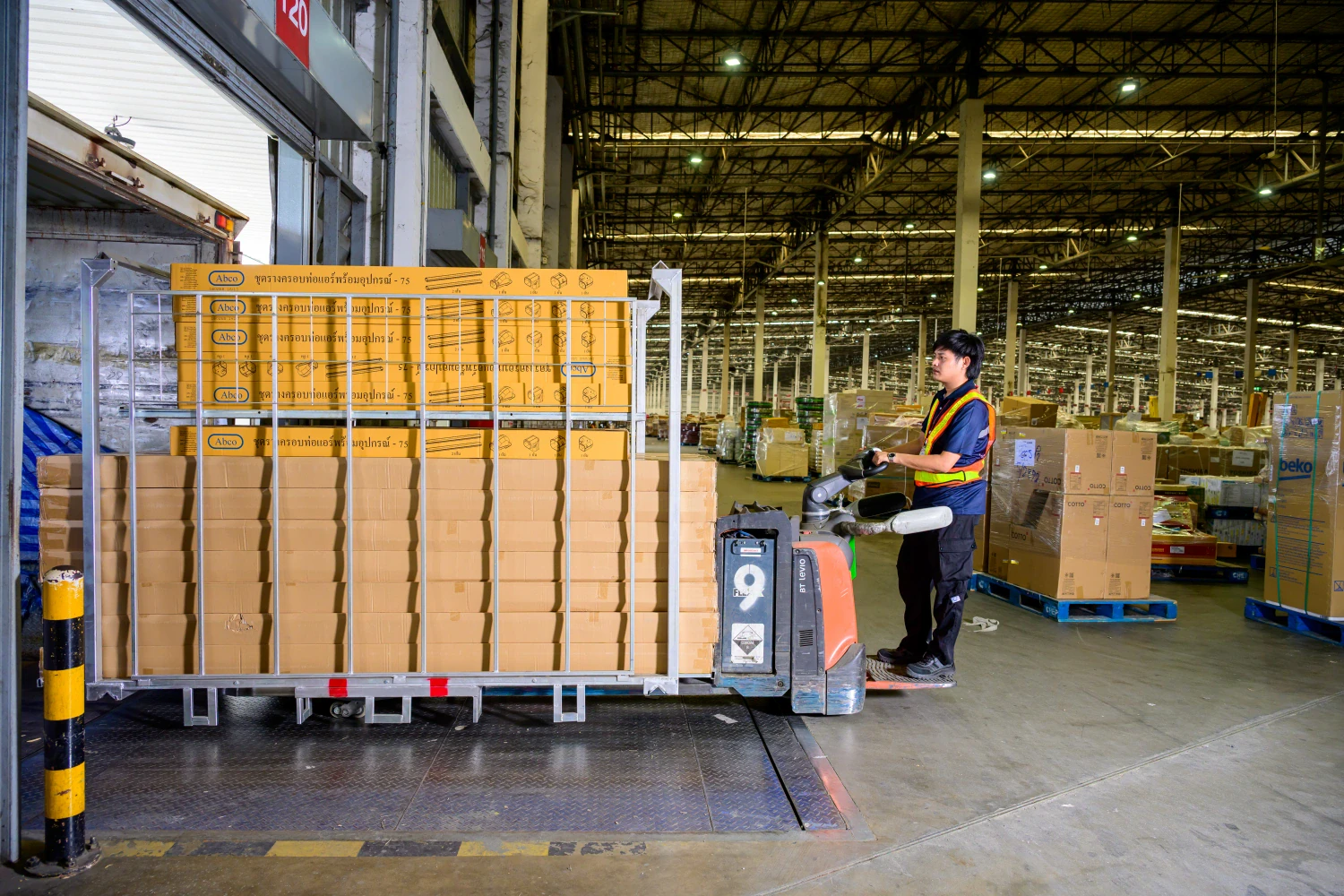
Central Retail has developed and adopted various alternative materials to optimize packaging management. The Thai Watsadu Distribution Center, part of the Hardline Business Group, has collaborated with Istrade Co., Ltd. to develop reusable mesh covers for product protection and extra roll cages to reduce the use of single-use pallet stretch film and pallets. In 2024, this initiative has successfully reduced the use of stretch film by 10.54 tons and halved the transportation space required, saving transportation costs by 20.4 million baht per year. In 2025, this initiative has successfully reduced the use of stretch film by 12 tons and halved the transportation space required, saving transportation costs by 7.73 million baht per year.
In addition, the Central Marketing Group distribution center, part of the Fashion Business Group, has replaced plastic bubble wrap with perforated paper for product wrapping. In 2024, this change decreased the use of plastic packaging by 600 kilograms and in 2025, this change decreased the use of plastic packaging by 3.48 tons, contributing to the reduction of single-use plastics and promoting the use of environmentally friendly packaging. These projects demonstrate Central Retail’s commitment to developing innovations that reduce plastic usage and support sustainable packaging management.
Eco-Friendly Signage Project
In 2024, Central Marketing Group (CMG), under Central Retail, replaced PP board signage with recyclable honeycomb paper in marketing campaigns, reducing plastic use by over 542 sq.m. The initiative also promotes reuse and recycling, cutting down Central Retail’s carbon footprint.
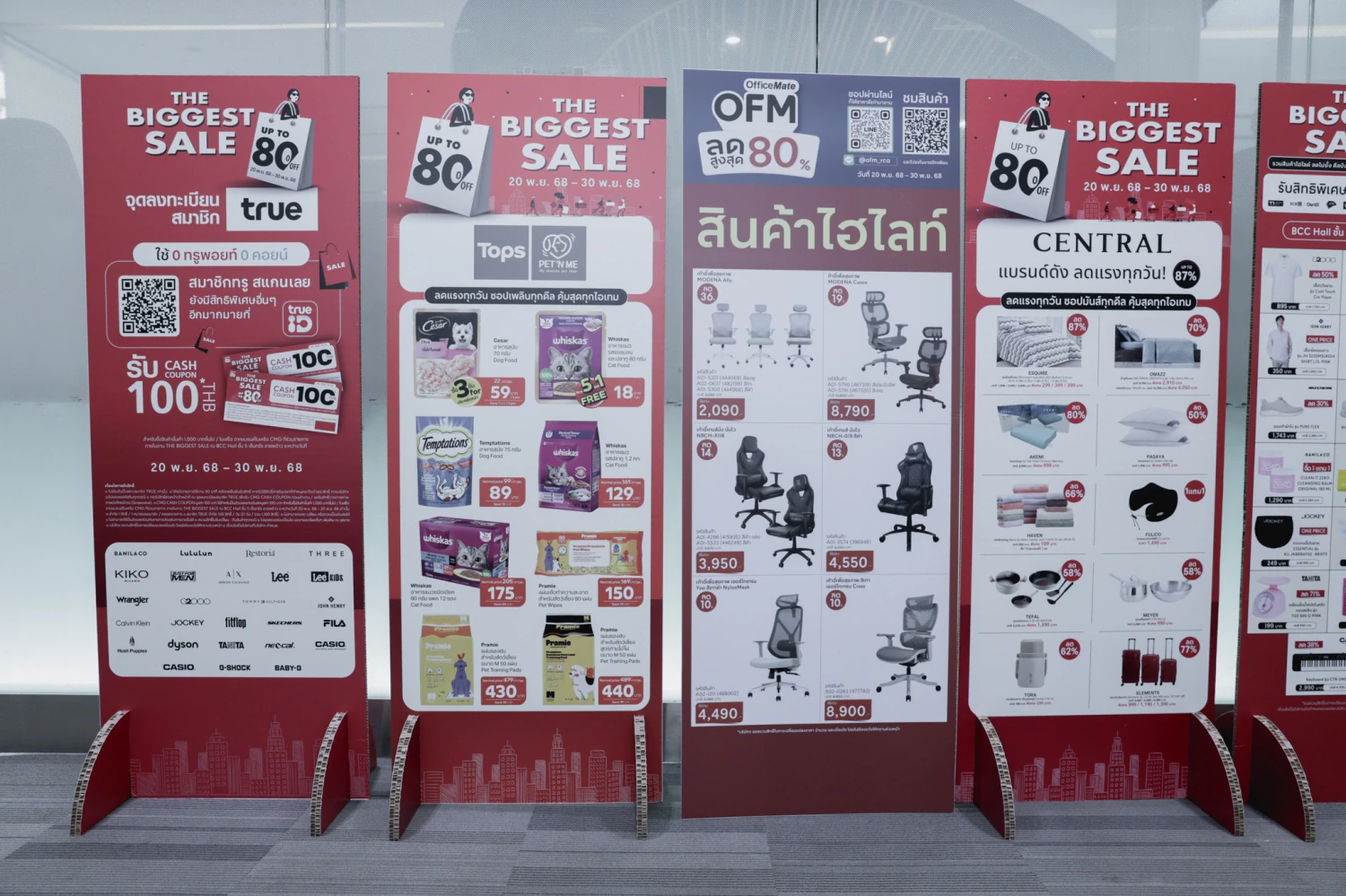
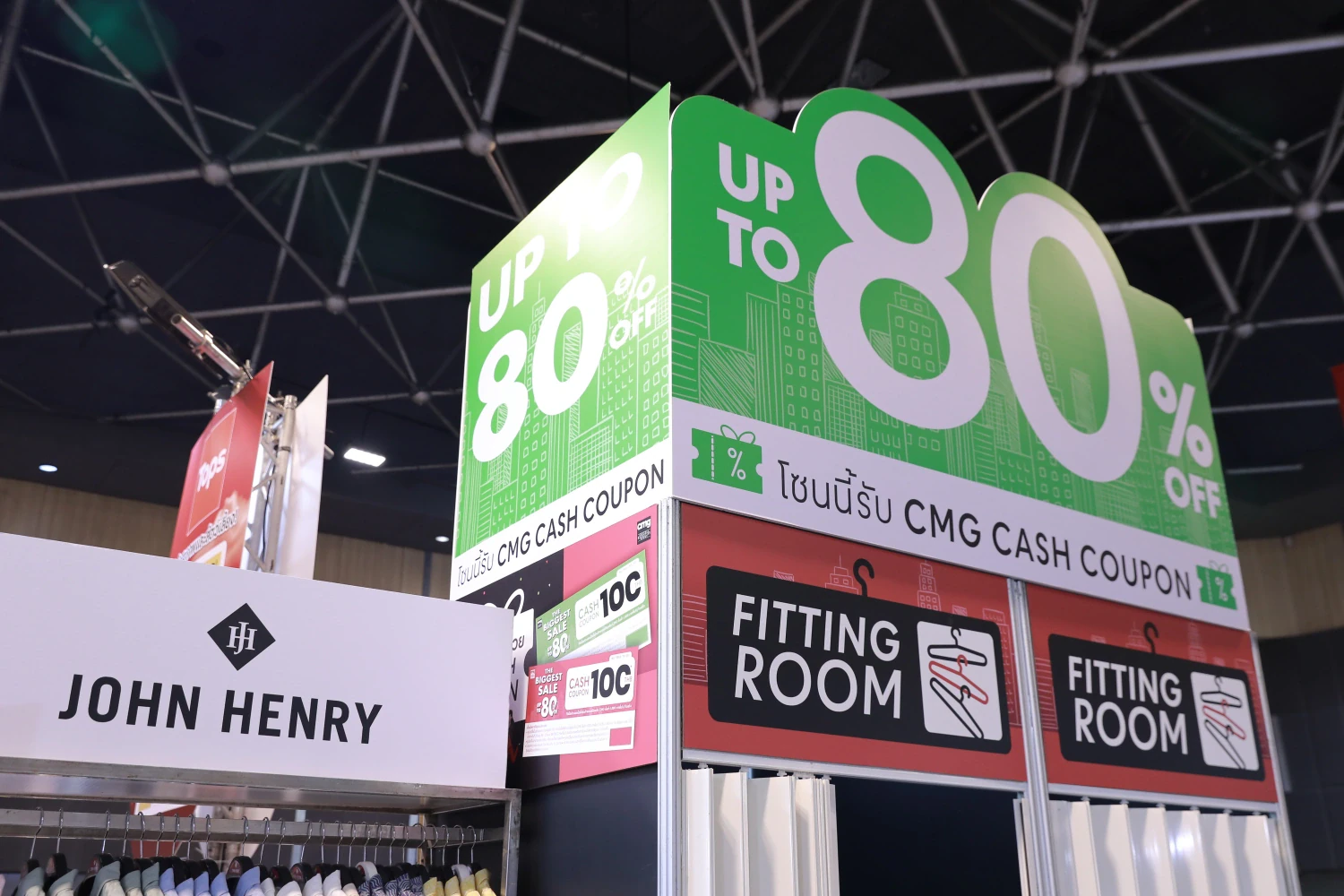
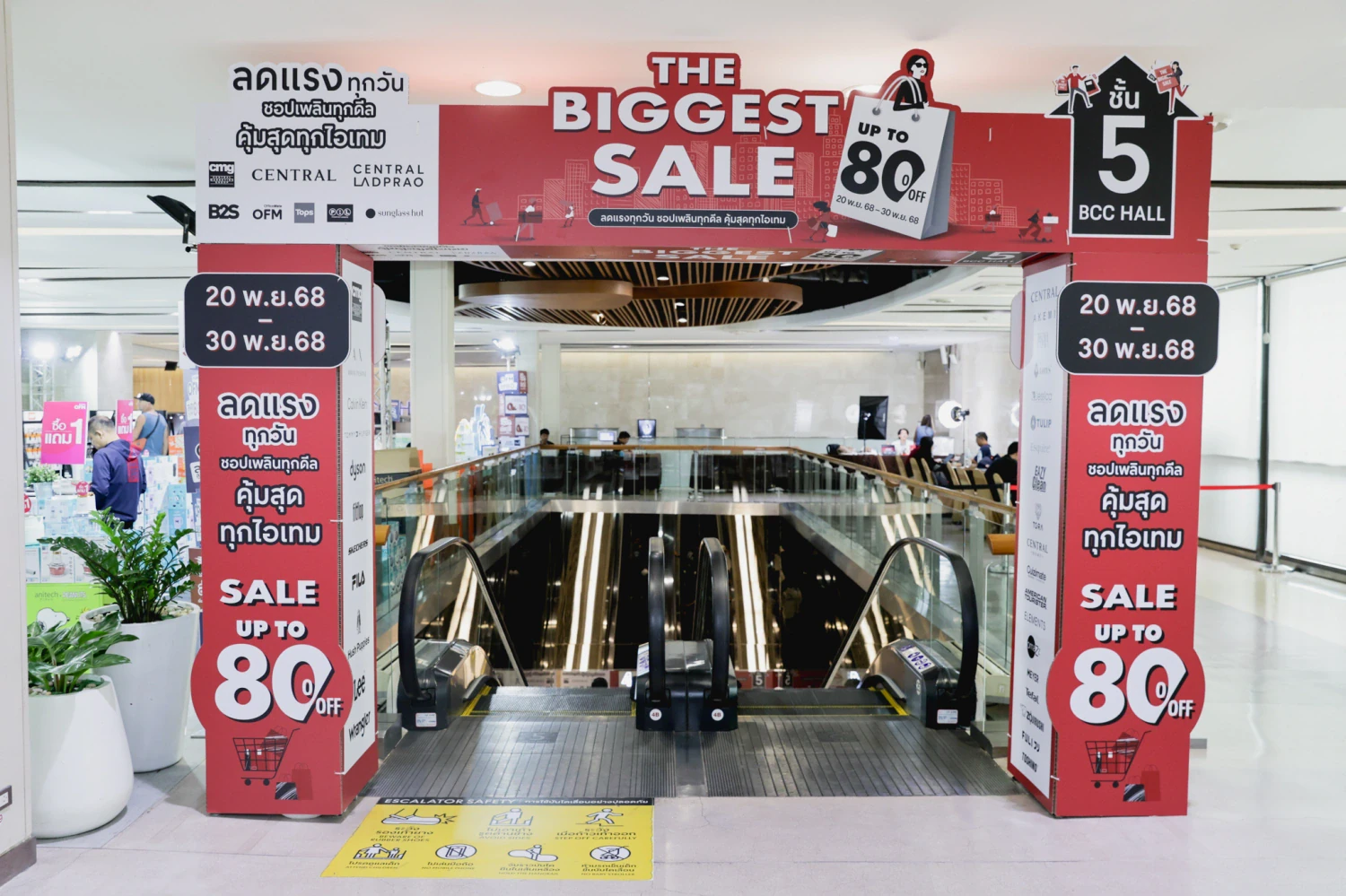
In 2025, Central Marketing Group (CMG) continued its initiative to reduce PP board usage by replacing conventional PP boards with honeycomb paper for promotional media production during the CMG Big Sale campaign. As a recyclable and more sustainable alternative, honeycomb paper helps minimize the use of plastic materials that are difficult to manage at the end of their life cycle. Through this initiative, CMG reduced PP board consumption by 410 sq.m., while promoting the use of reusable and recyclable materials. The project contributed to reducing plastic waste and lowering the carbon footprint associated with business operations, in line with Central Retail’s environmental strategy and Circular Economy principles.
Waste Management and Circular Economy Project
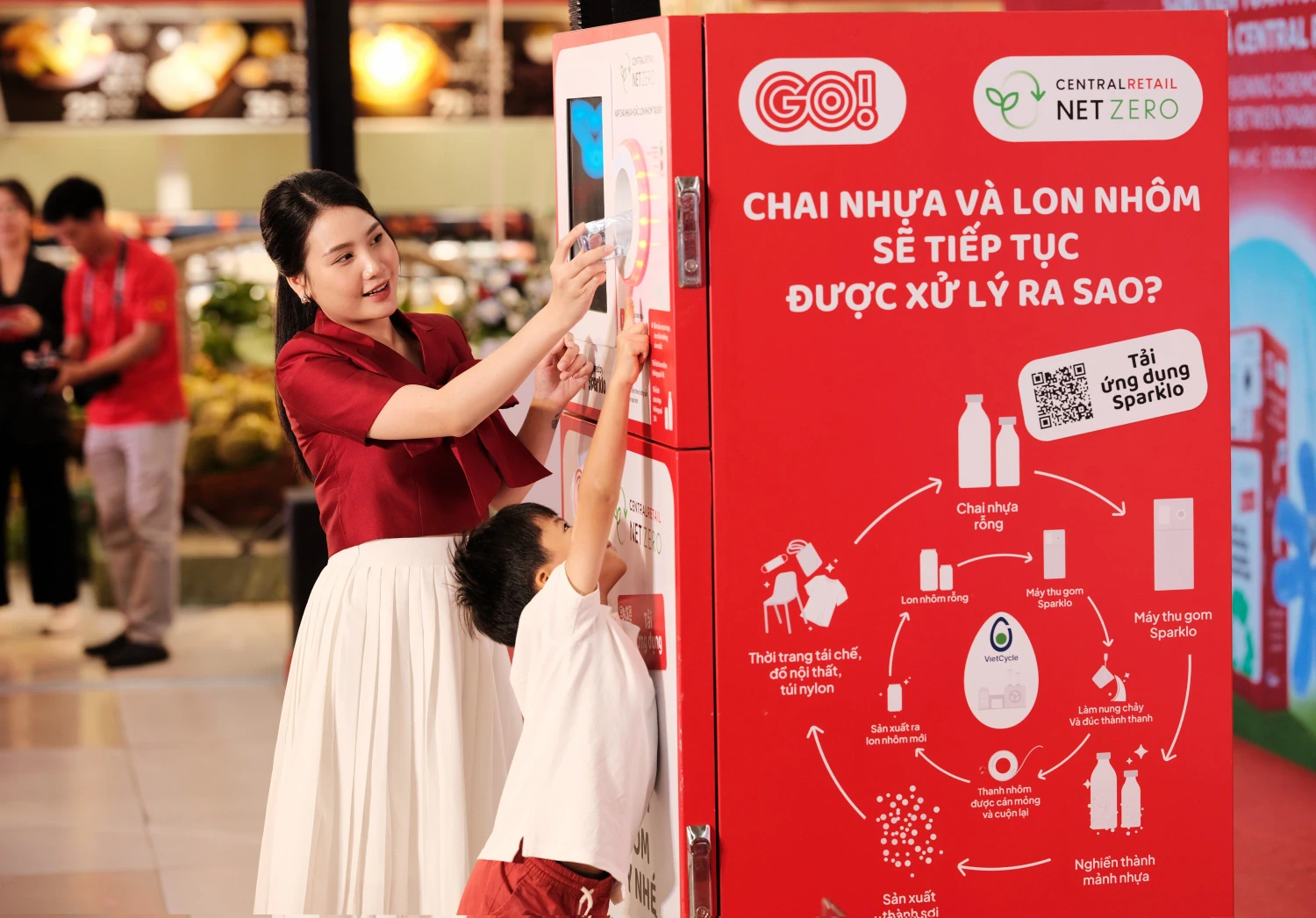
Central Retail actively promotes waste management awareness and engagement among employees and customers. As part of this effort, plastic bottle collection machines have been installed in shopping malls and Tops Supermarkets in Thailand, as well as plastic waste collection machines in GO! Supermarkets in Vietnam. Customers and employees can deposit plastic bottles to collect points that can be redeemed for rewards, donated to charity, or used to support community initiatives. In 2024, over 9.85 tons of plastic waste were collected and efficiently utilized. The collected plastic waste was recycled and upcycled into 10,859 monk robes. In 2025, Central Retail collected more than 12 tonnes of plastic waste for recycling and upcycling, transforming the materials into 60,000 monk robes in collaboration with its recycling partners. Additionally, plastic bottle caps have been collected and upcycled into educational tools, including bookshelves and study tables, which have been donated to schools.
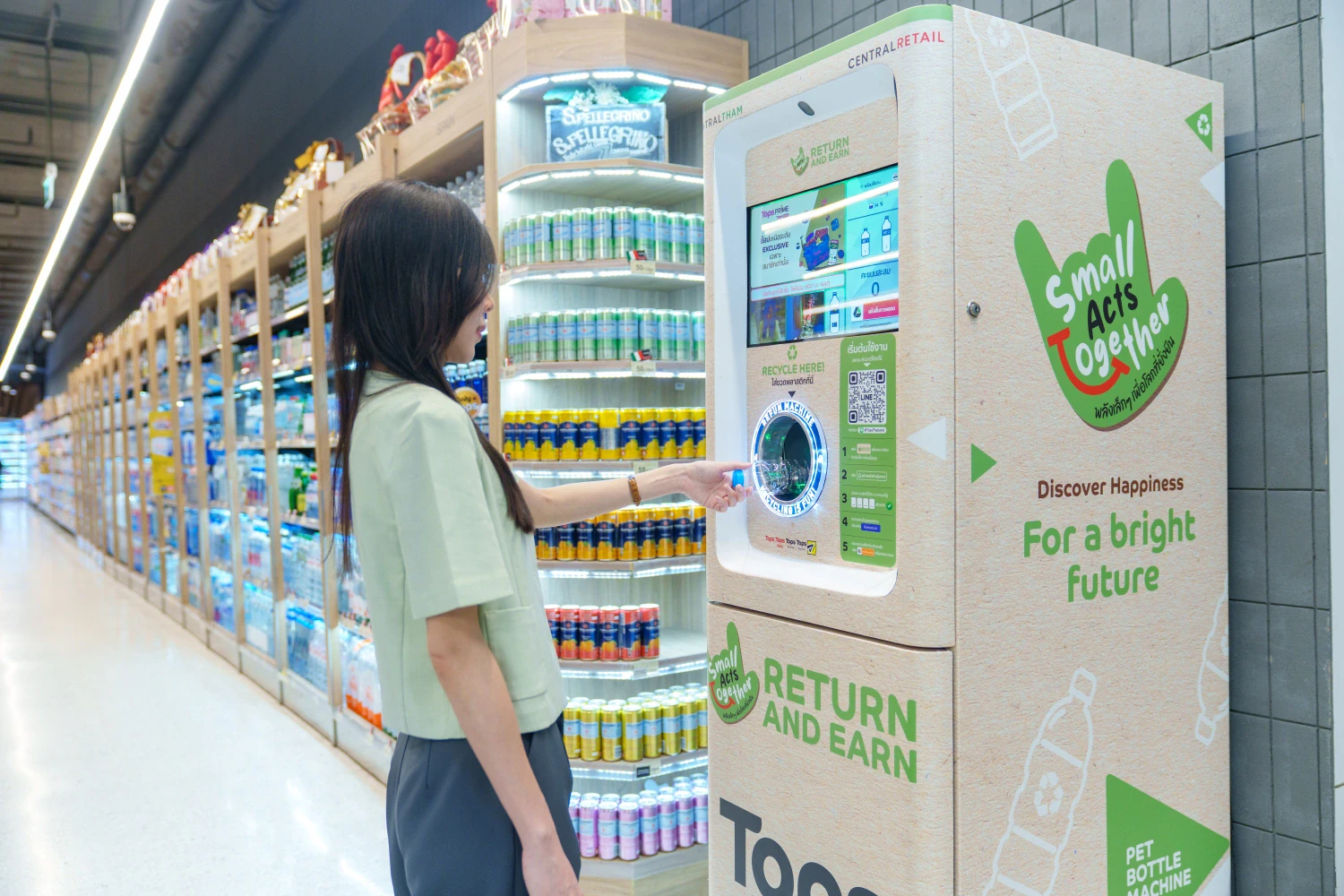
In addition, Central Retail encourages employee participation in plastic waste management through the “Bottle for Merit” initiative at the Central Department Store Distribution Center. Dedicated collection points were established for used plastic bottles, enabling employees to properly segregate and recycle plastic waste. The number of bottles collected is monitored and recorded on a regular basis before being delivered to Wat Chak Daeng, Samut Prakan, where they are processed into recycled fibers to produce monk robes. In 2025, the initiative collected a total of 18,350 plastic bottles, reflecting employees’ active participation in diverting plastic waste from landfill while maximizing resource efficiency in line with the principles of the Circular Economy.
“No Plastic Bag Day” และ “No Plastic Bag Month” Project
According to San Jose Recycles, over one million plastic bags are used every minute worldwide. These bags account for 90% of the trash floating in the ocean and take between 500 to 100,000 years to degrade. In response to the excessive use of single-use plastic bags, Central Retail Vietnam partnered in 2024 with the Institute of Strategy and Policy on Natural Resources and Environment and the Hanoi Department of Industry and Trade to launch the “No Plastic Bag Day” campaign at Big C Thang Long in Hanoi. The initiative encouraged consumers to reduce plastic bag usage by promoting eco-friendly cloth bags. As part of the campaign, customers who brought their own bags received complimentary cloth bags and small gifts to reinforce the habit of sustainable shopping.
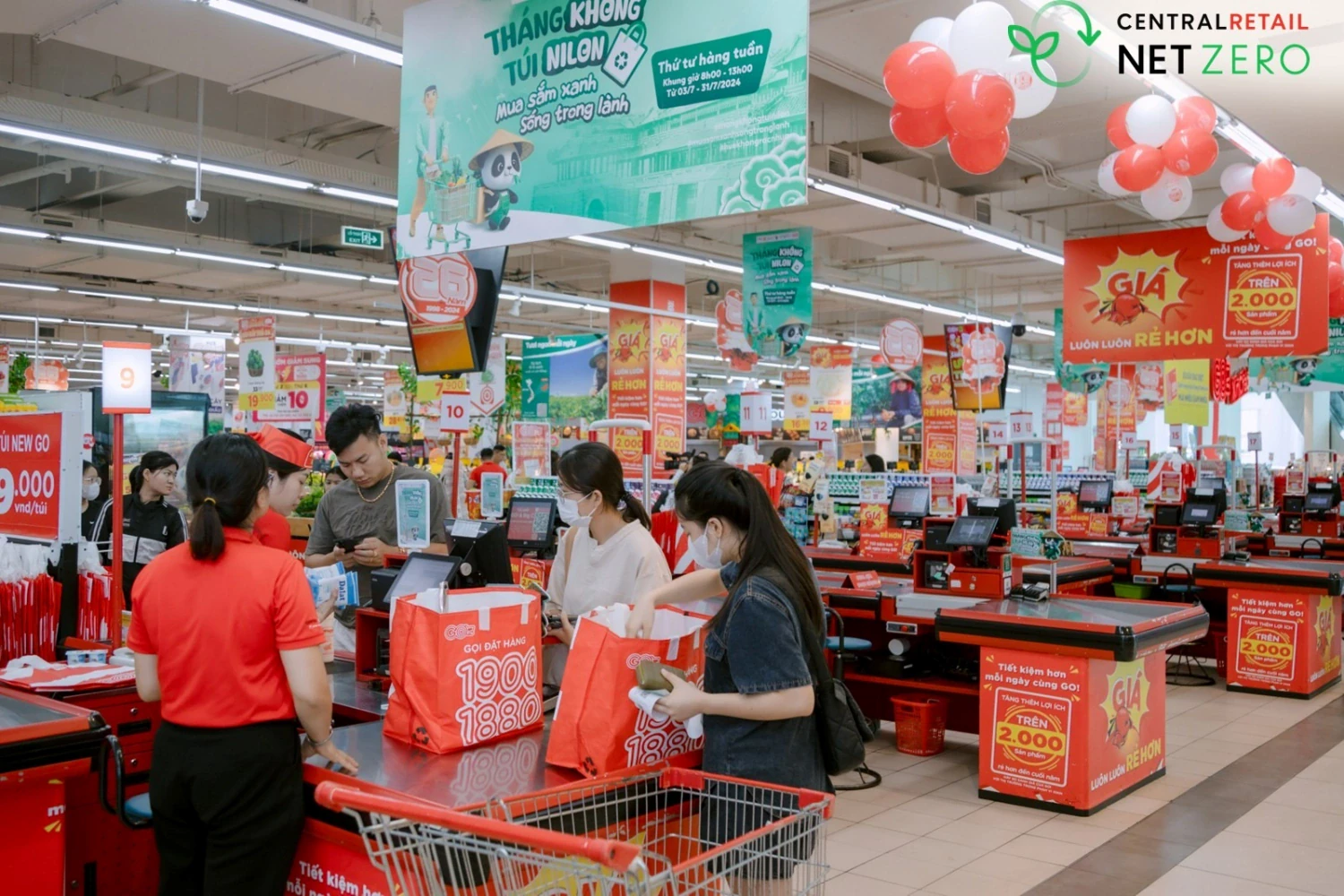
Expanding the effort beyond the capital, Central Retail Vietnam collaborated with the “Hue – Urban Plastic Reduction” project, supported by WWF-Norway and implemented by the Hue Municipality, to initiate “No Plastic Bag Month” at GO! Huế. Every Wednesday throughout July, the store stopped distributing plastic bags, engaging both local residents and tourists in a collective movement to reduce plastic waste.
Central Retail acknowledges that the retail industry is a major contributor to plastic pollution. As part of its ReNEW environmental strategy, Central Retail Vietnam has introduced sustainable packaging alternatives across GO! and Big C supermarkets. These include eliminating plastic straws, replacing plastic bags with biodegradable ones made from cornstarch and potatoes, and using banana leaves instead of plastic to wrap vegetables. In collaboration with more than 30 suppliers, fresh food packaging has transitioned to biodegradable materials. Additionally, several organic products such as rice and coffee are now packaged in paper to further reduce plastic usage.
Taking environmental innovation a step further, Central Retail Vietnam signed an agreement with Sparklo Clean Tech to deploy Sparklomat smart recycling machines across its GO! store network. These machines collect plastic bottles and cans, which are then sorted, washed, crushed, and transformed into new products. The recycling process reduces carbon emissions by 55%, energy use by 50%, and oil consumption by 20%. Customers who recycle through these machines receive reward points that can be redeemed for discounts and promotional offers in-store.
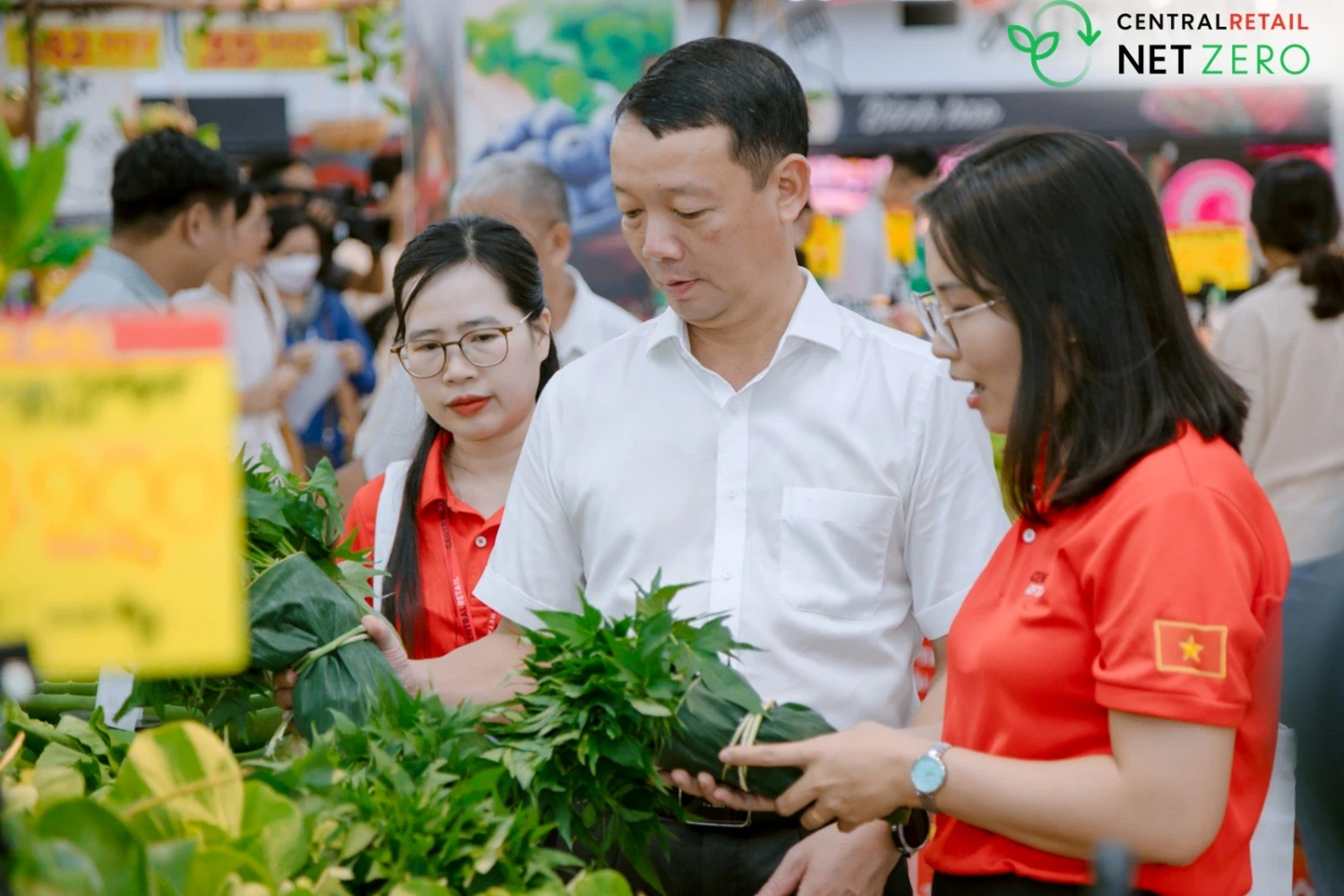
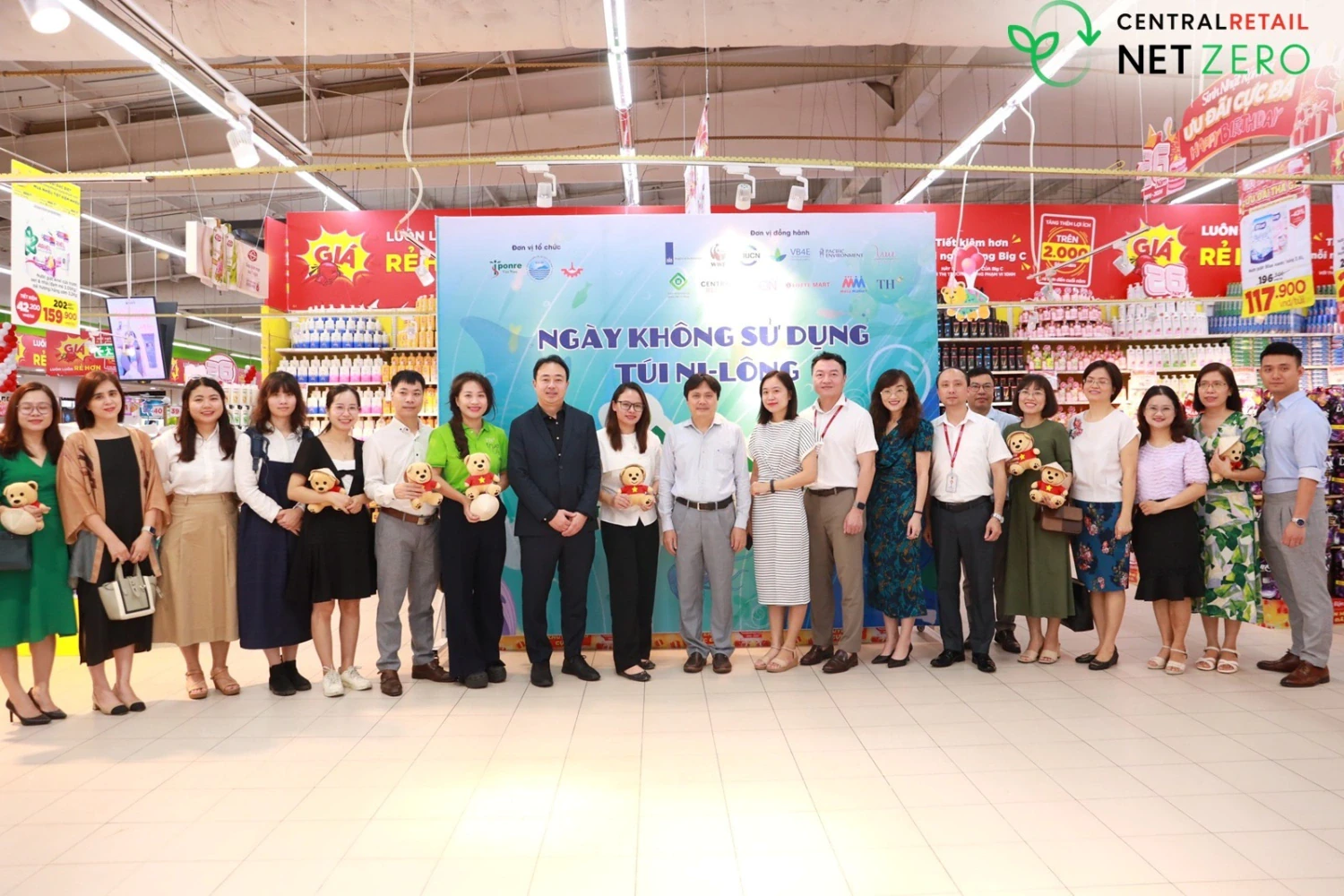
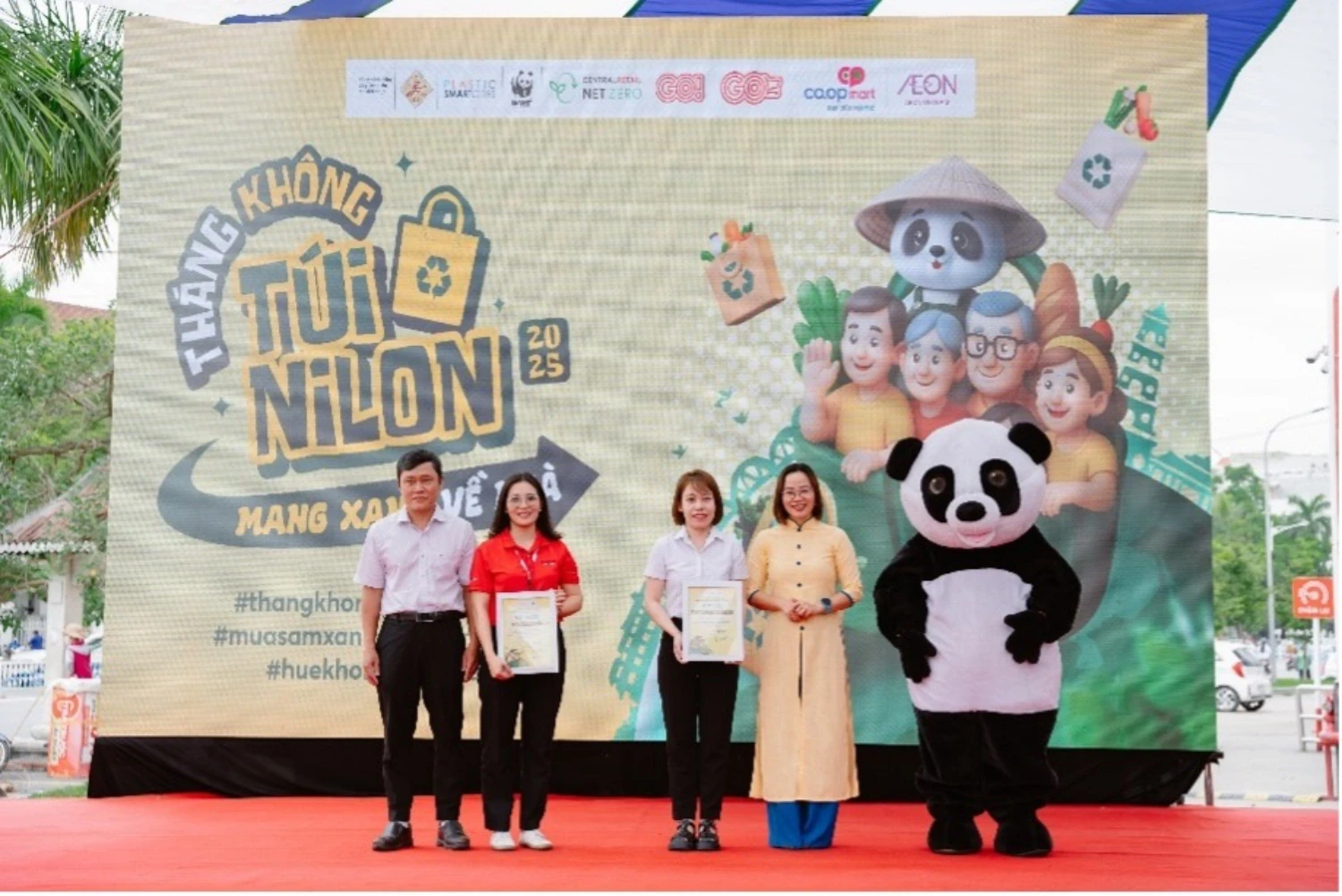
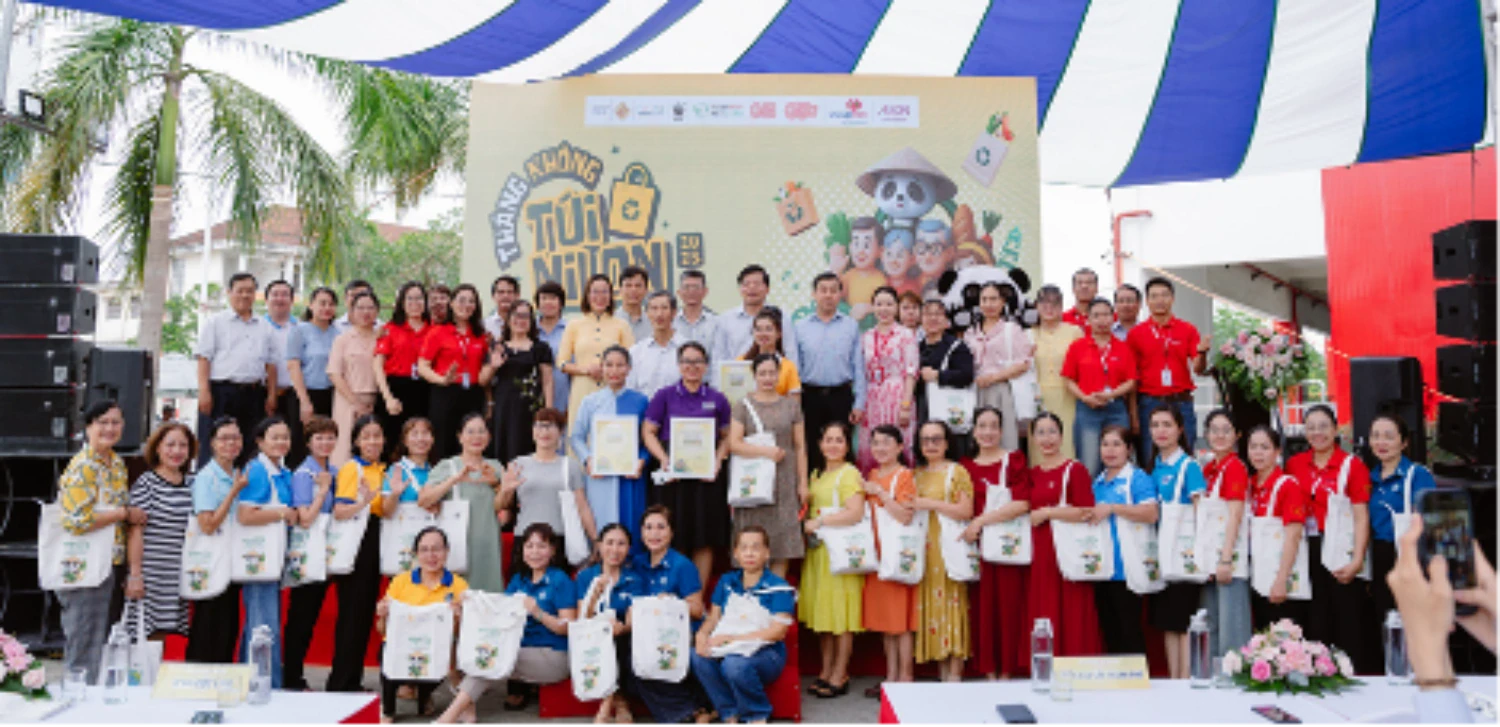
In 2025, Central Retail Vietnam continued to build on the success of its initiative by launching the Plastic Bag-Free Month 2025 campaign in partnership with WWF-Vietnam at GO! Huế. The campaign aimed to further reduce the use of single-use plastic bags by suspending the distribution of plastic bags at checkout counters every Tuesday and Thursday from 8:00 a.m. to 4:00 p.m. between 3 and 31 July 2025. Customers were encouraged to bring and use reusable shopping bags, helping foster more sustainable consumption habits. Throughout the campaign, more than 54,280 plastic bags (approximately 540 kilograms of plastic) were eliminated. The campaign's launch event was attended by representatives from government agencies, WWF-Vietnam, Central Retail Vietnam, as well as local partners and businesses, demonstrating a shared commitment to tackling plastic pollution and promoting sustainable consumption within the community.
Central Retail Vietnam firmly believes that responsible business practices must generate positive environmental and social impact. Central Retail emphasizes that collaboration among government agencies, private organizations, communities, and consumers is essential to fostering a sustainable consumption ecosystem and building a better future for the planet.
Biodegradable Active Packaging from Agricultural By-products: Extending Shelf Life and Reducing Food Waste Project
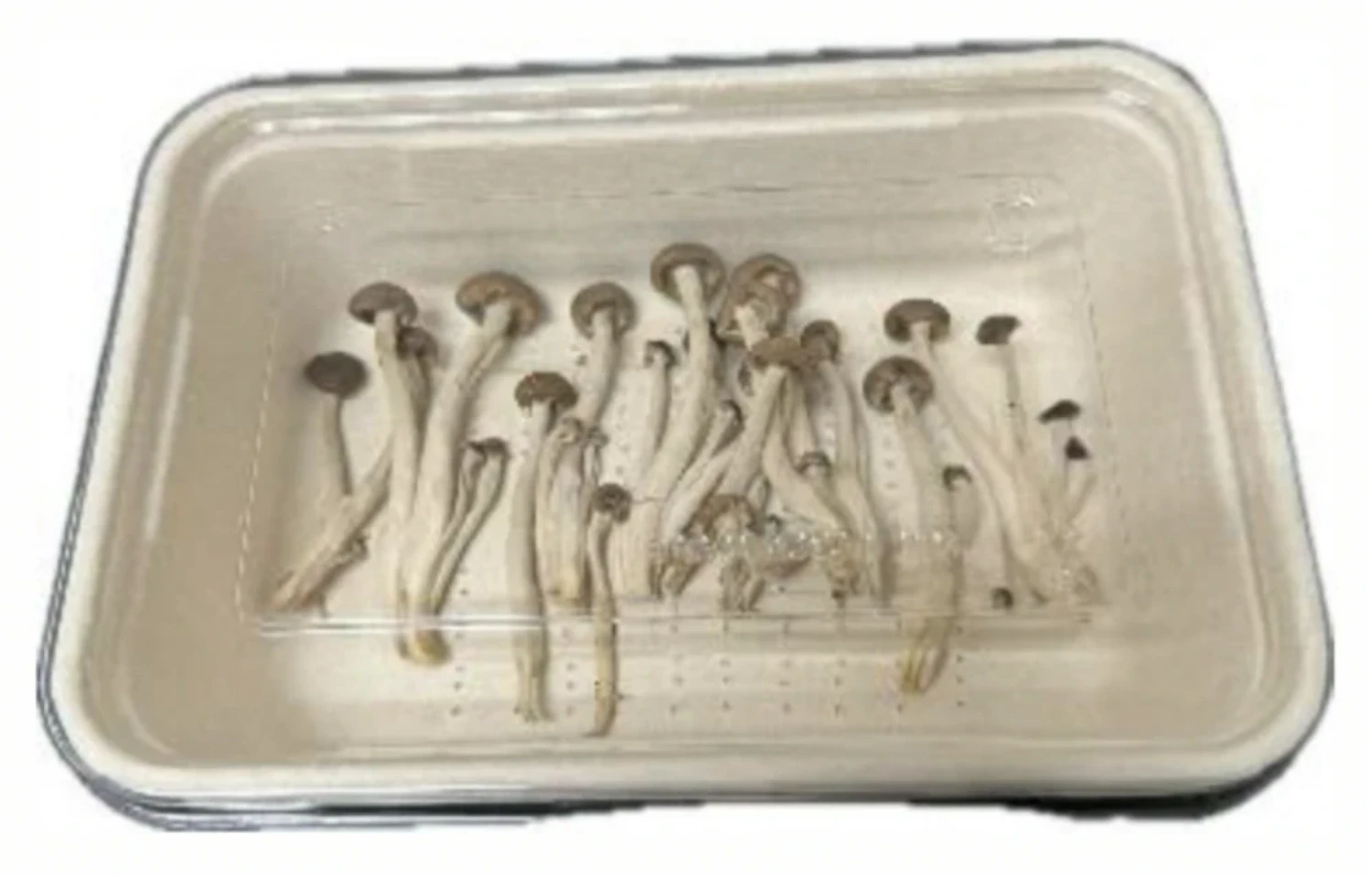
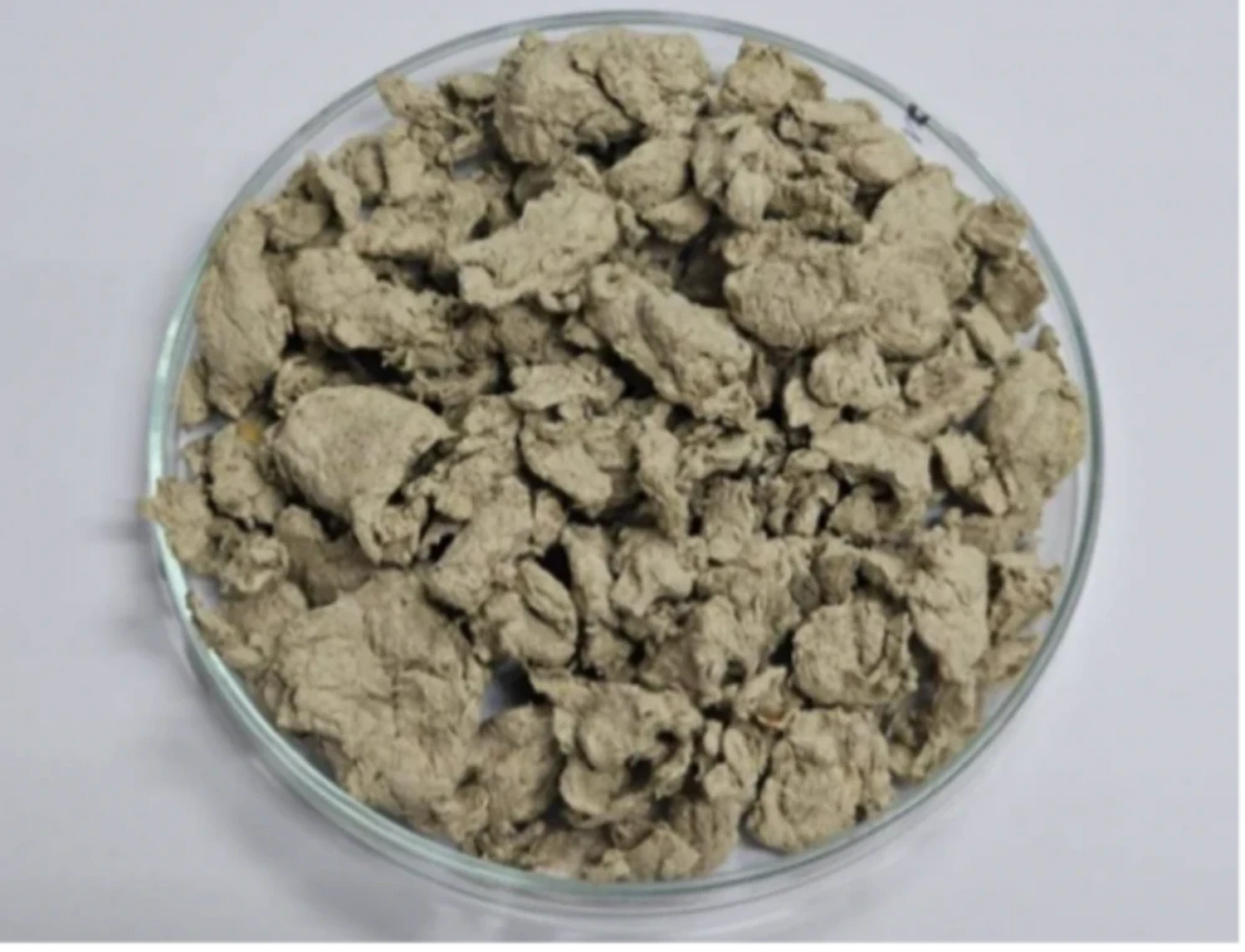
According to Our World In Data, packaging accounts for 40% of plastic waste on Earth. Acknowledging this issue, Tops, the food retail business under Central Retail, in collaboration with GRACZ Public Company Limited and the Institute of Agricultural Product and Processing Innovation at Kasetsart University, has co-developed an innovative biodegradable active packaging solution. This packaging integrates active food preservation agents known as Active Packaging with biodegradable materials derived from agricultural by-products, offering a balanced combination of functionality and environmental sustainability.
The primary goal of this innovation is to extend the shelf life of food safely, thereby reducing losses along the supply chain and addressing the needs of modern consumers who prioritize health, safety, and environmental consciousness. This development aligns with the global trend toward health-conscious food products and sustainable agriculture, which continues to grow steadily in international markets.
By combining the benefits of both active and biodegradable packaging, this initiative creates a high-value opportunity for agricultural products, health foods, and export goods. Specifically, this packaging helps prolong the freshness and quality of vegetables and fruits while maintaining their aroma, flavor, and texture. It meets international safety standards and provides an environmentally friendly alternative to traditional plastic packaging, thus reducing plastic waste and promoting sustainable development.
Sustainable packaging innovations often fail to scale beyond R&D and lab testing, which is why our project takes a comprehensive supply chain approach, from sourcing raw materials and formulating industrial-scale production methods to field packaging and real-world market testing at Tops stores. According to a 5-year ex-ante economic evaluation (2027–2031), the project demonstrates strong potential with a Benefit-Cost Ratio (BCR) of 1.55, a Net Present Value (NPV) of over 3.5 million baht, and an Internal Rate of Return (IRR) of 14%, well above the 5% discount rate. These figures indicate the project's potential to generate significant economic, social, and environmental impact.
Currently, the project is in the market testing phase and is being expanded to cover more vegetable and fruit products. The long-term goal is to integrate sustainable circular materials into the production chain and contribute concretely to Central Retail’s environmental sustainability objectives.
Value Chain Packaging Waste Management Project
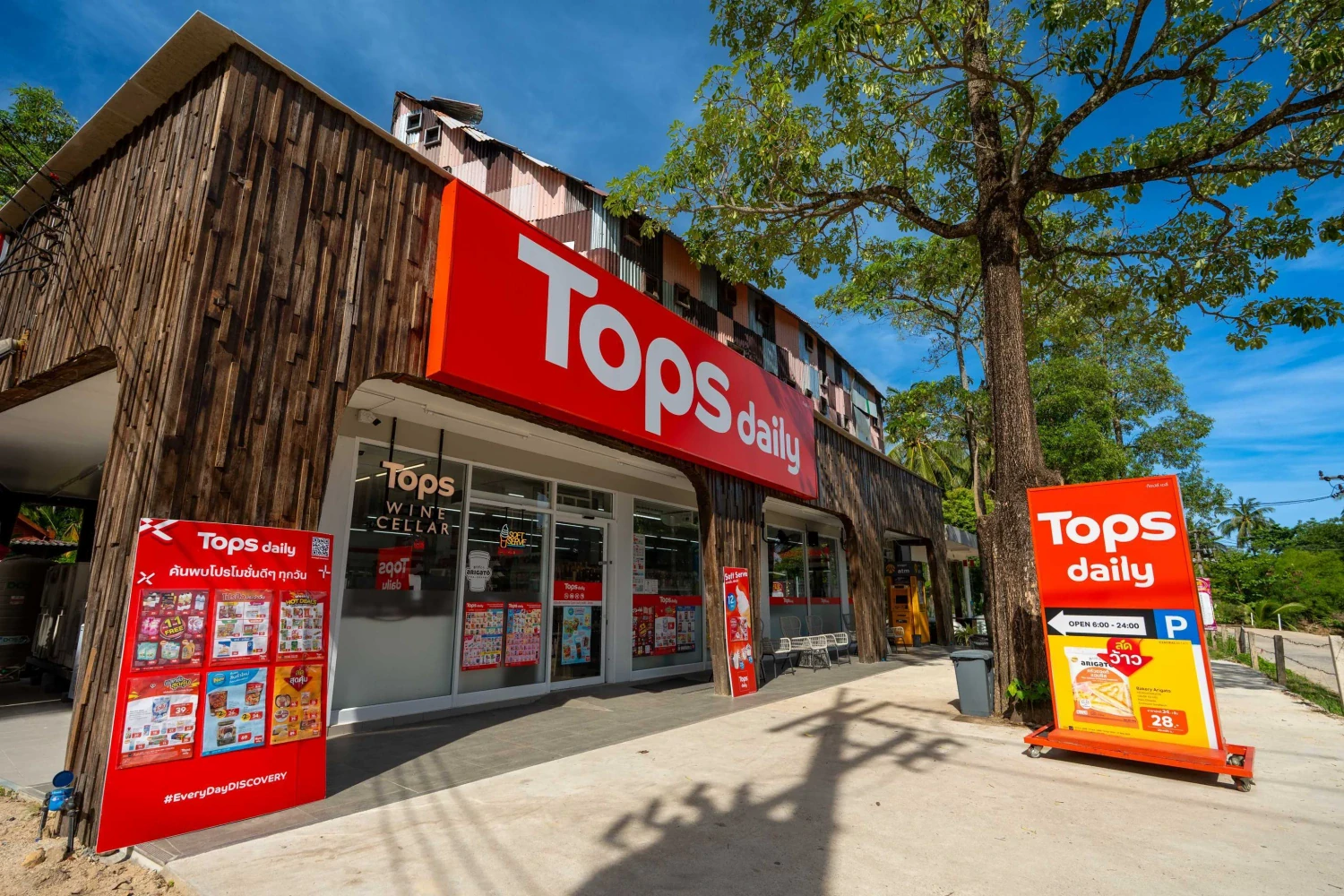
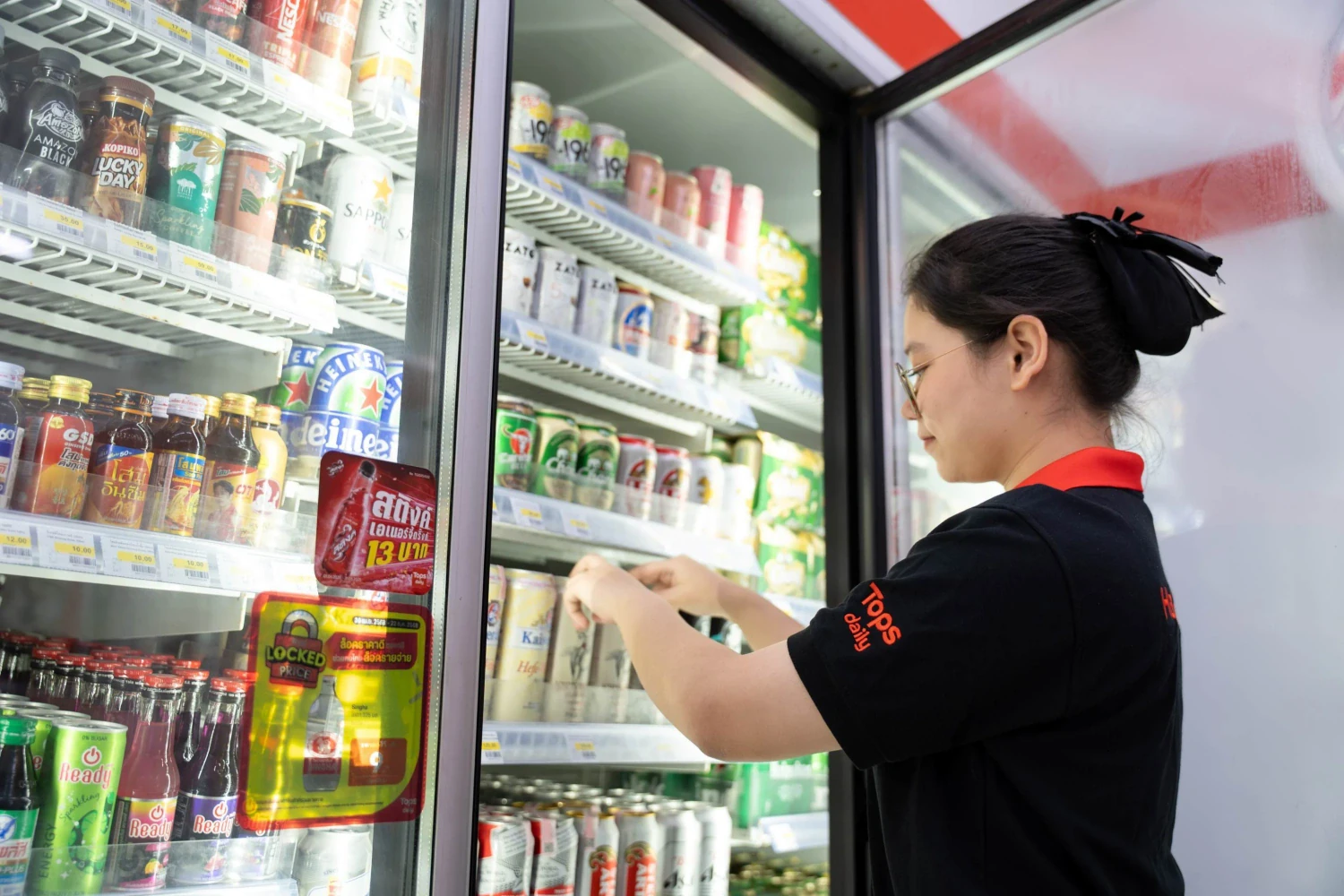
TOPS, under Central Retail, partnered with organizations to switch beer packaging from glass bottles to 100% recyclable aluminium cans, piloted at 8 TOPS branches on Koh Phangan. The project reduces waste at the source, supports a circular economy, and promotes Koh Phangan as a model green destination. In 2025, the project reduced approximately 30.2 tonnes of glass bottle waste from beer packaging, resulting in an estimated reduction of 70 tonnes of CO₂ equivalent in greenhouse gas emissions.
Say No To Plastic Bags Project
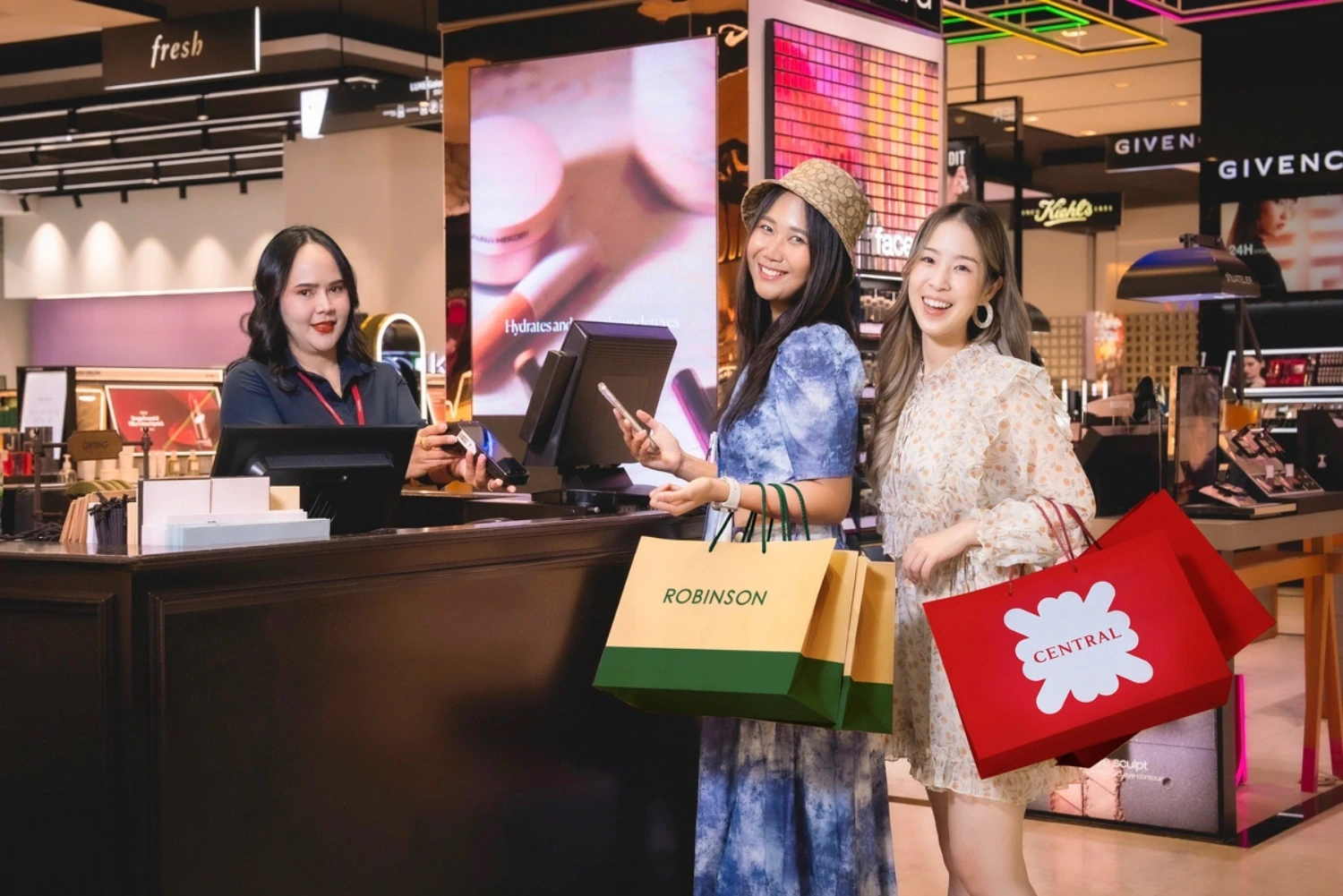
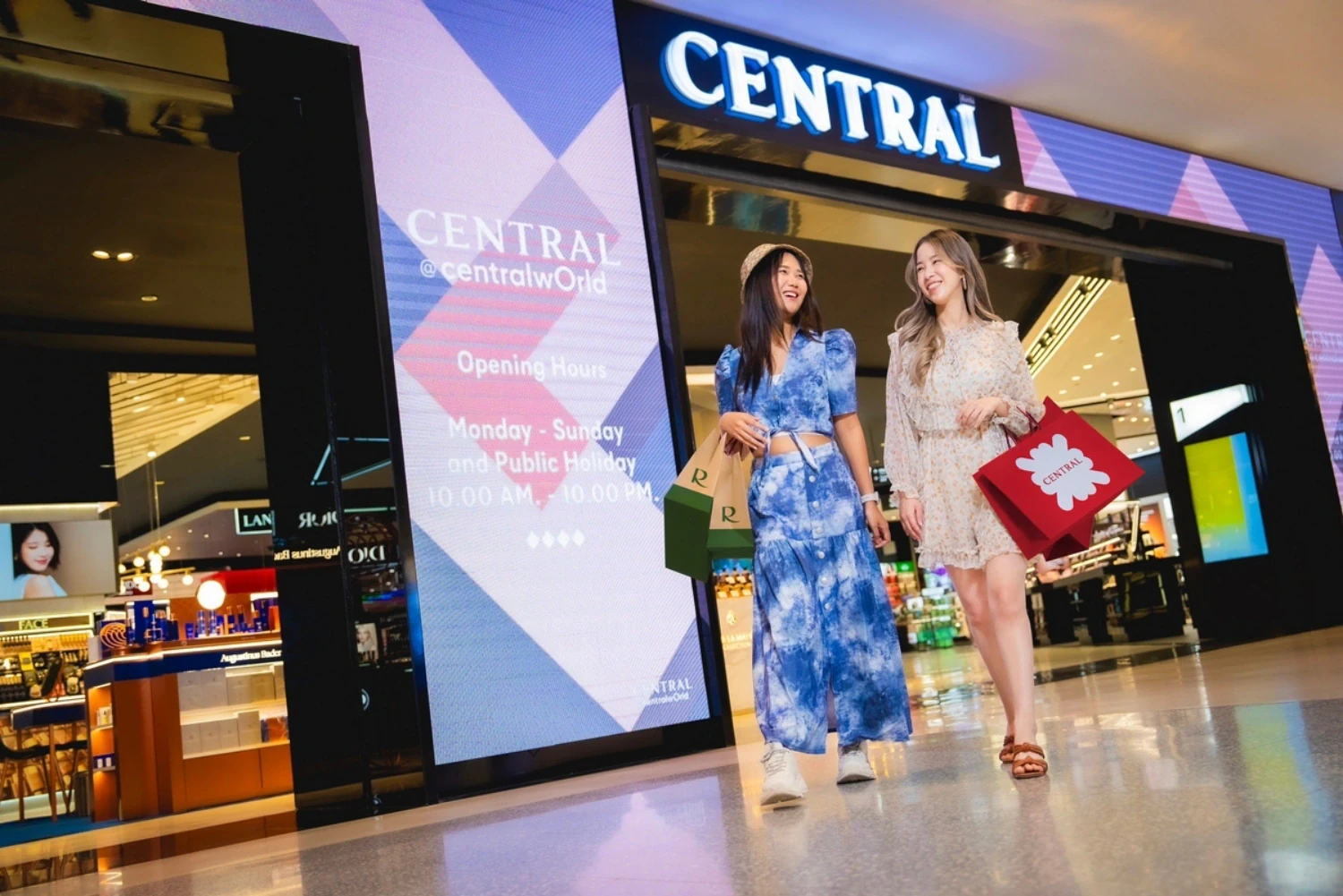
Central Department Store and Robinson Department Store, under Central Retail, encourage customers to avoid single use plastic bags and switch to reusable ones to reduce waste, promote sustainable habits, and support the use of eco-friendly materials across stores nationwide.
BAAG FOR LIFE Project
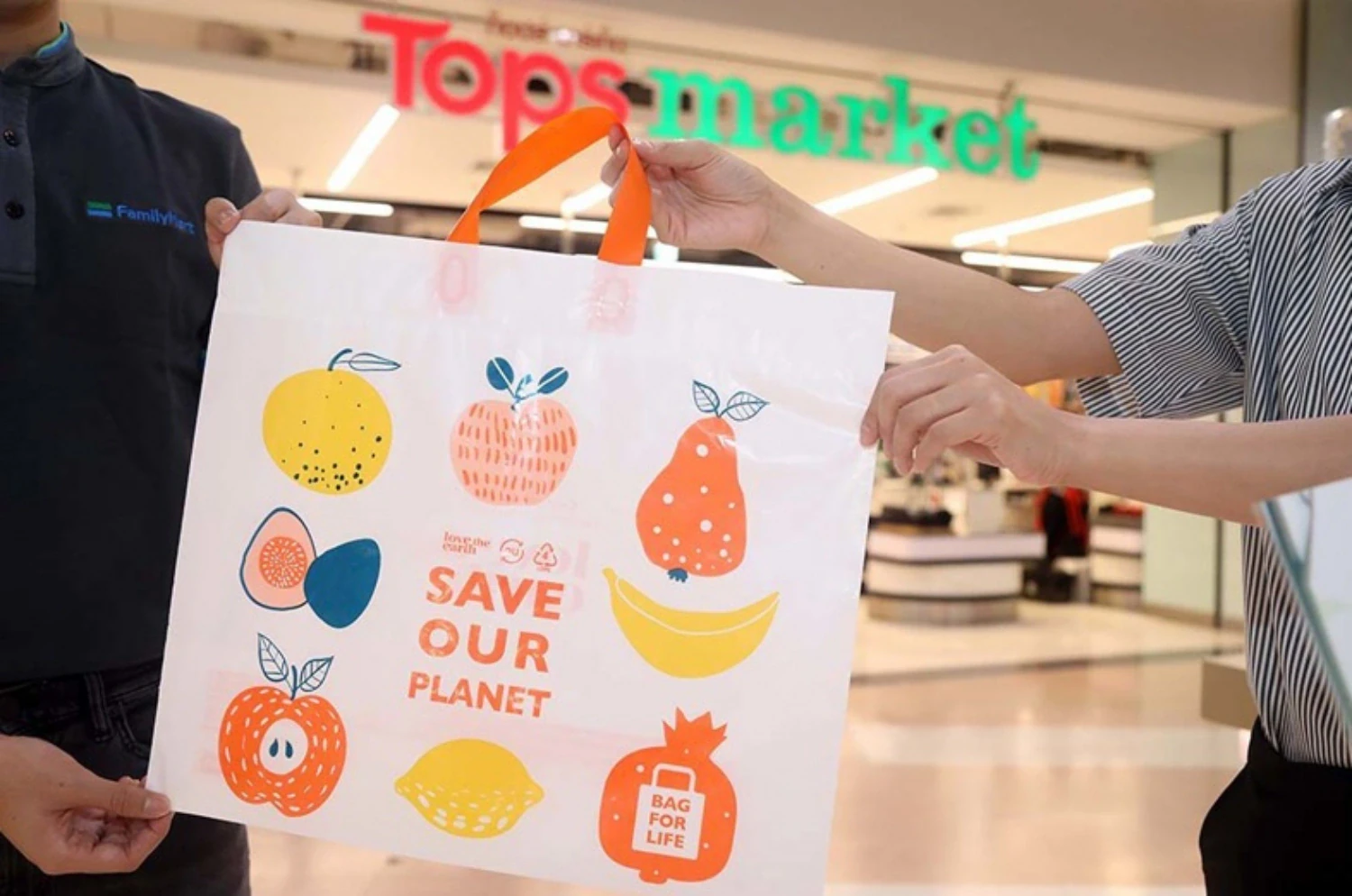
Bag for Life plastic bags that are sold at Tops Supermarket and Family Mart uses the 3Rs (Reduce, Reuse, Recycle) innovation process to help manage the problem of plastic bag waste in the most comprehensive way. This starts from reducing the use of plastic pellets in the production process, which includes the design of plastic bags to be thicker in order to increase strength, durability and advocate customers to reuse them many times. In addition, when the plastic bags are reused to the point they are damaged or are too old, they can once again be recycled in the most ethical manner and reproduced into new ones, which follows the circular economy principles that maintains sustainable practices.
APPRON MADE FROM PLASTIC BOTTLES PROJECT
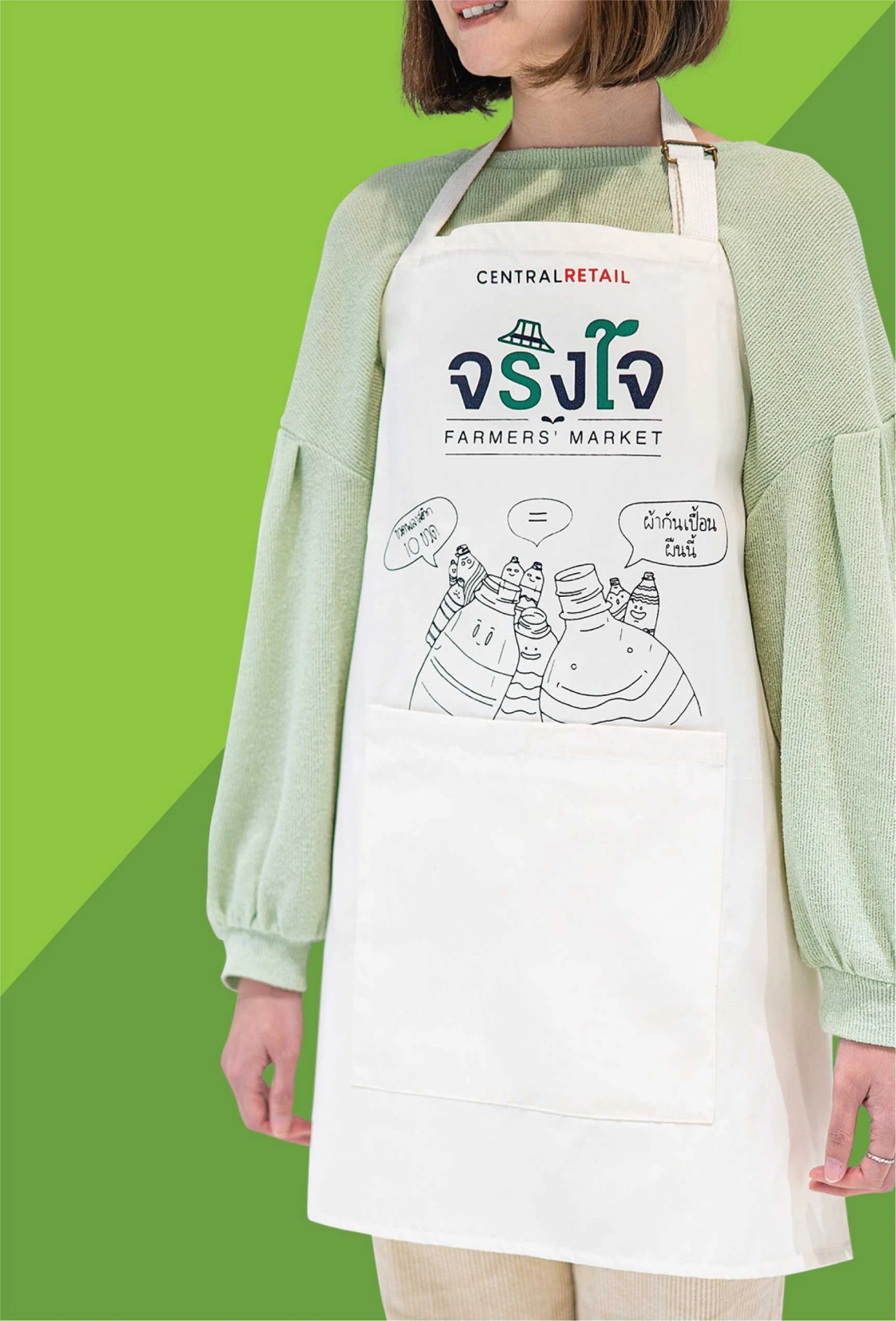
Central Retail Corporation and partners in the waste management cooperation network Our Khung Bang Kachao have collaborated with the Wat Chak Daeng community to support the recycling initiative of turning PET plastic bottles into 200 aprons that are used in the “Jing Jai Farmers’ Market”. Each apron is produced using 10 bottles, which is the production of new products using 100% recycled materials.
Central Retail has given great importance to the management of plastic waste collected from communities and retail shops in the group, which are then creatively transformed into new materials and products that can be further utilized. This promotes circular economy principles, such as working with the Khung Bang Kachao community in collecting plastic waste and transforming them into new products ranging from cloth bags, clothes, hats, vases, plant pots, toys, and children furnitures. In addition to helping extend the life of materials and slowing down the generation of new waste, these Upcycling products are also sold at retail stores in the Central Retail network, which is another integral revenue channel to help the community.