
Human Rights


Importance
Conducting business with a strong emphasis on respecting and protecting labor rights and fundamental human rights helps reduce legal risks and potential grievances that could lead to business losses, such as unfair labor practices, child labor, and forced labor. This includes creating a safe and fair working environment, providing fair wages, adequate and equitable compensation for all genders, and ensuring workplace equality across employees, contractors, business partners, and joint ventures.
Central Retail places great importance on respecting the human rights of stakeholders throughout the entire value chain by operating in accordance with Central Retail’s Code of Conduct, applicable laws, regulations, and principles of good corporate governance. Central Retail also promotes Diversity, Equity, and Inclusion (DEI), which enhances operational efficiency and fosters innovation through diverse perspectives of the employees. Central Retail has established a Human Rights Policy that emphasizes zero tolerance for discrimination and harassment in all forms and is committed to protecting employees at all levels from discrimination, intimidation, sexual harassment, and other forms of harassment. Central Retail is committed to continuous improvement through initiatives that connect employees and reduce disparities, in line with its vision of being A Great Place to Work. In addition, Central Retail conducts comprehensive human rights impact assessments covering both actual and potential impacts on relevant stakeholders. Proactive measures and remedial actions aligned with international standards are implemented to ensure sustainable business growth grounded in social and environmental responsibility.
Management Approach
Human Rights Governance Structure
Central Retail’s Human Rights Policy aligns with the United Nations Guiding Principles on Business and Human Rights (UNGPs) and applies across the entire supply chain. The Policy addresses key human rights issues, including forced labour, human trafficking, child labour, restrictions on the right to freedom of association and collective bargaining, unfair compensation, as well as discrimination and harassment in all forms. At the governance level, the Corporate Governance and Sustainability Committee is responsible for overseeing human rights risk assessments (HRRA) and human rights due diligence (HRDD), as well as reviewing and approving the Human Rights Policy and related documents. Human rights management is a collaborative effort among human resources, risk management, sustainability, and supply chain management functions, with ongoing coordination across business units. Central Retail’s corporate culture supports human rights principles, explicitly prohibits discrimination and harassment in all forms, and reinforces these principles through training and awareness program.
| Bodies | Roles and Responsibilities |
|---|---|
|
Board-Level
|
|
|
Corporate-Level
|
|
|
Business Units-Level
|
|
| Employees and suppliers |
|
Human Rights Risk Assessment (HRRA) and Human Rights Due Diligence (HRDD)
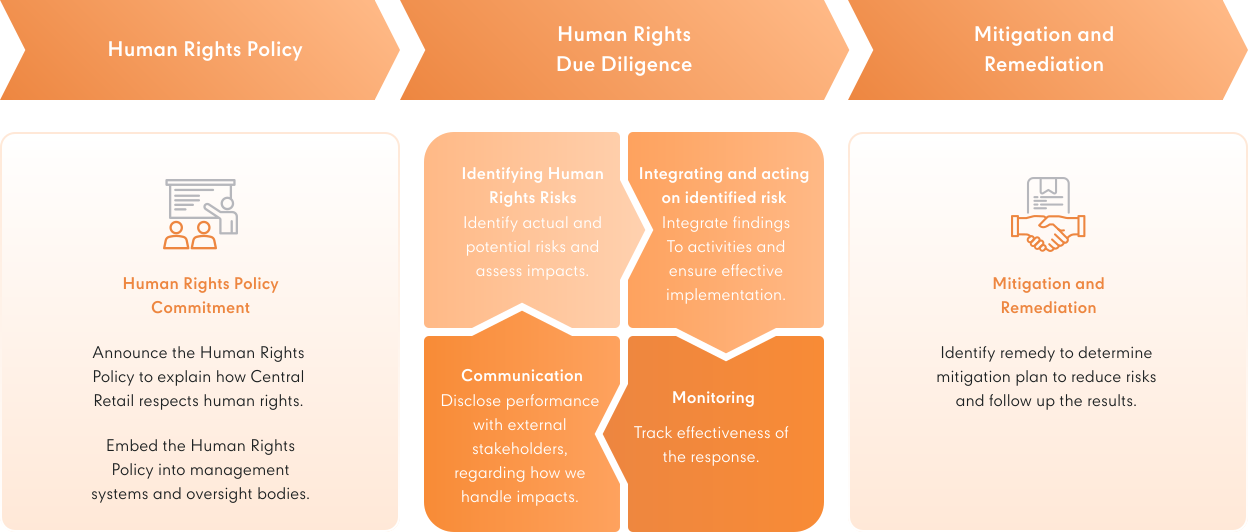
The Human Rights Risk Assessment (HRRA) is conducted every two years to systematically monitor, identify, prioritize, mitigate, and address both actual and potential human rights risks. This process covers Central Retail’s existing business operations, as well as new business activities arising from business growth, mergers and acquisitions, and activities carried out by business partners, contractors, suppliers, and other partners across the value chain.
Central Retail regularly engages employees and stakeholders to maintain corporate transparency. Stakeholders included in the HRRA comprise employees, communities, suppliers, contractors, customers, agency labour, third-party contracted workers, migrant workers, and vulnerable groups such as women, children, indigenous peoples, persons with disabilities, and LGBTQI+ individuals. The HRRA evaluates a wide range of human rights issues, including forced labour, child labour, working conditions and labour practices, freedom of association and collective bargaining, freedom of expression, human trafficking, equal remuneration, equal opportunity and non-discrimination, environmental and community rights, access to remedy, human rights violations within the supply chain, and data privacy protection.
At the initiation of the Human Rights Risk Assessment (HRRA) process, Central Retail conducts intensive human rights workshops for relevant stakeholders to ensure that respect for human rights is effectively integrated into business operations. These workshops enable stakeholders to participate in the HRRA through Human Rights Due Diligence (HRDD), which involves identifying actual and potential human rights risks and assessing the severity of impacts. Central Retail initiated the HRDD process in 2022 and has since monitored the identified risks on a quarterly basis across four business groups: Food, Fashion, Hardline and Property. In addition, Central Retail works closely with key suppliers to promote respect for human rights throughout the supply chain, mitigate human rights risks, and ensure that affected parties receive appropriate remediation.
Comprehensive Human Rights Risk Assessment Report on the Business Operations
| Salient Issues | Scope | Existing Control |
|---|---|---|
| Risks associated with the areas of Central Retail's operations | ||
|
Health and Safety for Employees in the Food Business Group
|
Food business categories in Thailand and Vietnam |
|
| Human Rights Risk Assessment Report of Suppliers | ||
| Human rights risks related to business partners represented 1.3% of total identified risks, and all cases were fully mitigated through appropriate corrective measures. | ||
| Result 2025 | Mitigation and Remediation Actions |
|---|---|
| All identified risks were classified as moderate. |
|
Central Retail continuously monitors its human rights performance, including related risks and reported cases, and implements appropriate mitigation and remediation actions. In 2025, Central Retail identified human rights risks and implemented mitigation and remediation measures covering 100% of its operations. Central Retail also communicated and disclosed its human rights management practices to external stakeholders to enhance transparency. In addition, Central Retail undertakes various initiatives to raise awareness of human rights, including:
- Utilizing internal communication channels to educate employees on human rights principles.
- Conducting Human Rights Due Diligence (HRDD) training programs to the related departments on a regular basis.
- Establishing corrective action guidelines and remediation measures in cases of human rights violations.
- Closely monitoring human rights issues, with no significant issues arising from the risks identified in the previous year.
Stakeholder Engagement and Collaboration
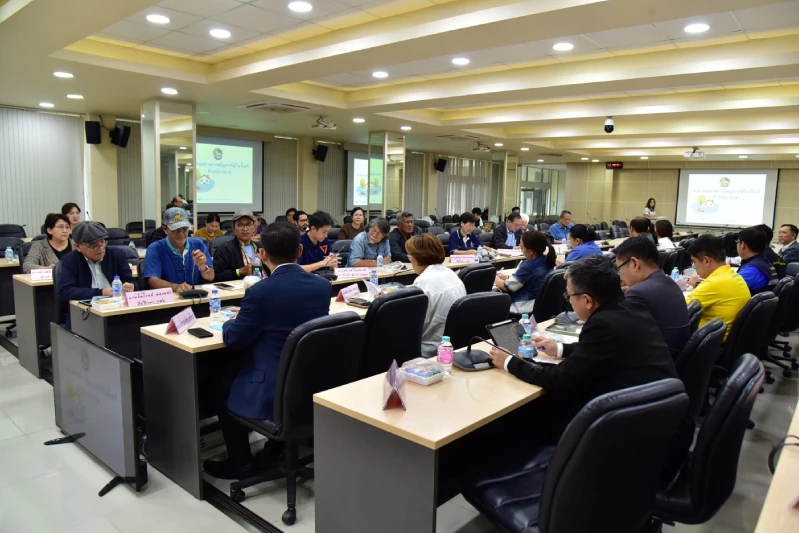
Central retail participated in a public consultation workshop on the Draft Responsible Business Conduct Promotion Act to contribute insights, exchange perspectives, and stay informed on the evolving legislative framework for responsible and sustainable business practices. This engagement demonstrates Central retail’s commitment to conducting business with integrity and accountability, while upholding social responsibility, respecting human rights, protecting the environment, and adhering to the principles of good corporate governance.
Mitigation and Remediation Mechanism
Following the human rights risk assessment, Central Retail has established mitigation and remediation procedures to address identified risks and impacts, as outlined below:
1. Identify risks and establish processes to reduce the likelihood of their occurrence and mitigate their impacts
- Integrating risk assessment results from all operational areas into discussions and decision-making processes of the Human Rights Due Diligence (HRDD) Working Committee.
- Reporting identified risks to Central Retail’s Risk Committee and incorporating them into the enterprise risk register.
- Designating responsible functions to oversee subsequent actions for risk mitigation.
- Requiring the relevant functions to develop human rights risk mitigation plans, with a focus on reducing both the likelihood and severity of impacts, including action plans, mitigation measures, and remediation approaches for each identified risk.
2. Implementation of Human Rights Risk Mitigation Plans
- Implement mitigation actions in accordance with the established action plans, with adjustments and additional processes introduced where necessary to ensure the effectiveness of risk mitigation.
- Report progress on mitigation and remediation measures to relevant stakeholders or those who may be affected by human rights risks.
- Oversee, monitor, and review the implementation of mitigation plans in coordination with relevant business units and functions through appropriate communication channels.
- Report progress by identifying issues that require close monitoring and the impacts of actual and potential human rights risks on Central Retail to the Sustainability function and the Corporate Governance and Sustainability oversight body, to inform incidents and provide guidance to responsible functions for subsequent risk mitigation actions.
3. Implement corrective and remedial actions. (in cases where human rights risks materialize and result in adverse impacts)
- Provide remediation to affected stakeholders and vulnerable groups in accordance with Central Retail’s established guidelines.
- Inform responsible functions and relevant management, as well as affected stakeholders and vulnerable groups, of the progress of corrective and remediation actions.
- Monitor and follow up on the implementation and effectiveness of corrective and remediation measures.
- Adjust remediation and corrective approaches where necessary.
- Continue corrective actions and engage in ongoing dialogue with stakeholders and affected parties on the outcomes of the actions until the remediation process is completed and conditions are restored to their normal state prior to the occurrence of the human rights impact.
Central Retail’s Remediation Approaches
- Offering direct and formal apologies to affected parties.
- Providing restitution for damages incurred.
- Providing financial compensation.
- Providing non-financial remedies, including development opportunities, recognition, and other appropriate benefits.
- Facilitating access to other forms of remedy, including external or public remediation mechanisms, where appropriate.
Labour Practices
To ensure the full protection of labour rights, Central Retail is committed to maintaining fair, safe, and dignified working conditions in accordance with international labour standards and human rights principles. These practices apply to employees, contractors, suppliers, and joint ventures across the value chain. Central Retail’s key labour practice requirements include:
1. Fair and Adequate Remuneration
Central Retail recognizes the importance of fair remuneration in supporting employees and their families in meeting basic living needs. Central Retail’s total compensation packages take into account essential living standards, including food, housing, children’s education, healthcare, transportation, clothing, and financial support for unforeseen emergencies. This approach ensures that employees receive a living wage in line with standards defined by the Global Living Wage Coalition.
2. Working Hours and Paid Annual Leave
Central Retail actively promotes the full utilization of paid annual leave through digital systems that provide clear visibility of leave entitlements, planning tools, and automated reminders. Central Retail utilizes electronic time-recording (timesheet) and electronic overtime (e-Overtime) systems to monitor regular and overtime working hours, ensuring that overtime work is fully compensated in compliance with all applicable legal requirements. In addition, Central Retail focuses on workforce planning and effective working-time management to optimize operational efficiency.
3. Freedom of Association
Central Retail respects employees’ rights to freedom of association and collective bargaining, ensuring that employees may express their views freely, either individually or through representatives of their own choosing. This enables open and constructive dialogue regarding working conditions and other workplace rights.
4. Equal Treatment and Non-Discrimination
Central Retail upholds the principle of equal pay for work of equal value by monitoring gender pay differentials and addressing any identified gaps. This ensures that employees of all genders are treated fairly and equitably. In addition, Central Retail has employed people with disabilities in compliance with the legally required quota.
5. Social Protection Beyond Minimum Requirements
Central Retail strengthens employees’ rights to social protection by providing additional support beyond government programs. Such support includes assistance for urgent home repairs, emergency loans, and disaster recovery support, helping to safeguard employees’ livelihoods and well-being during times of crisis.
To reinforce these commitments, Central Retail has established clear and accessible whistleblowing channels to ensure that employees feel safe to report concerns or potential violations related to labour rights and working conditions. Employees are encouraged to speak up without fear of retaliation, enabling issues to be addressed promptly and responsibly, and reinforcing a culture of fairness, accountability, and respect for human rights.
Whistleblowing Channels for Human Rights Violation
Inform via email at CRCWhistleblower@central.co.th or postal mail at
Head of Internal Audit Department Central Retail Corporation Public Company Limited 22 Soi Somkid, Ploenchit Road, Lumpini, Pathumwan, Bangkok 10330For complaints against the Chief Executive Officer, directly inform Chairman of the Audit Committee via email at AuditChairman@central.co.th or postal mail to
Chairman of the Audit Committee Central Retail Corporation Public Company Limited 22 Soi Somkid, Ploenchit Road, Lumpini, Pathumwan, Bangkok 10330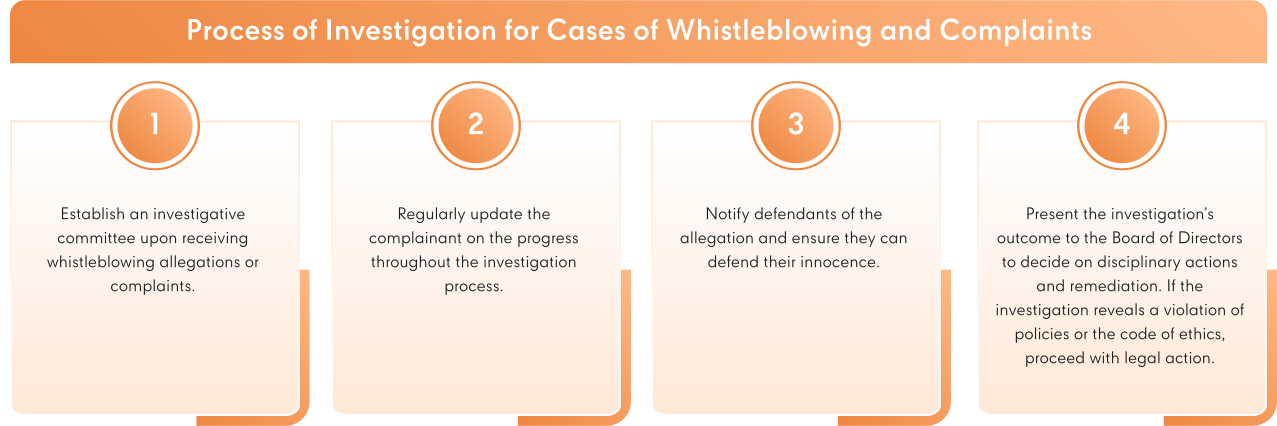
Central Retail has established a Welfare Committee to encourage open dialogue, consultation, and negotiation between employees and Central Retail on welfare and employee benefits. In 2025, 100% of employees were covered by the Welfare Committee.
Human rights risks are dynamic and may vary depending on specific political, social, economic, and cultural contexts. Therefore, the assessment of both actual and potential human rights risks is conducted proactively and comprehensively, covering all stakeholder groups. Appropriate mitigation measures and actions are implemented in alignment with internationally recognized standards and best practices.
Project Highlights
Equal Employment and Educational Opportunities for All
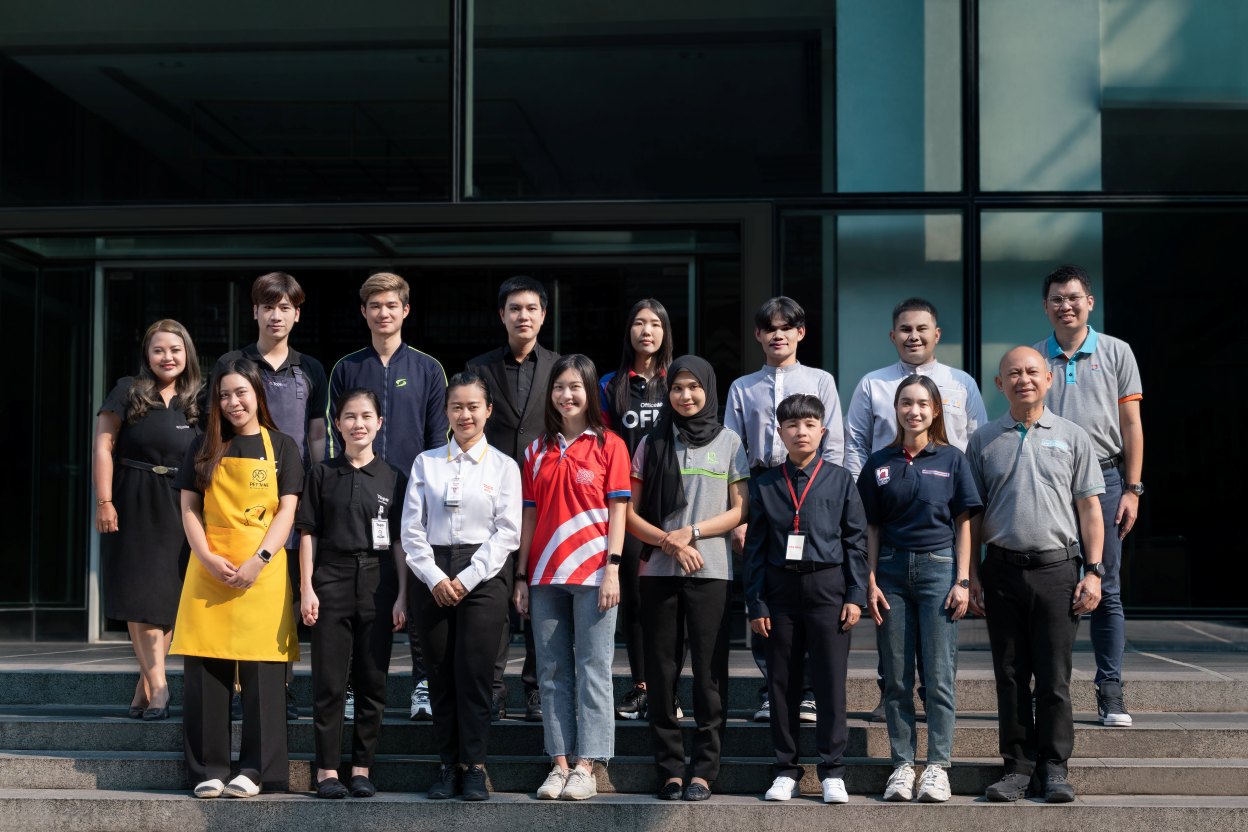
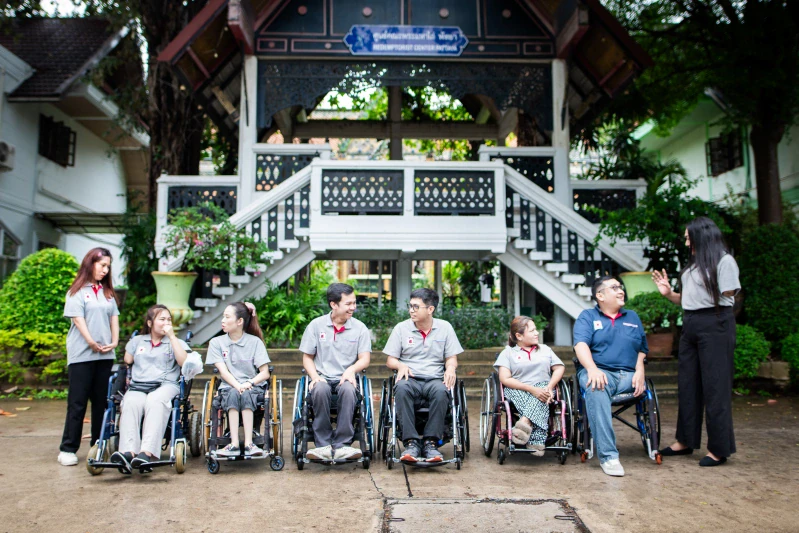
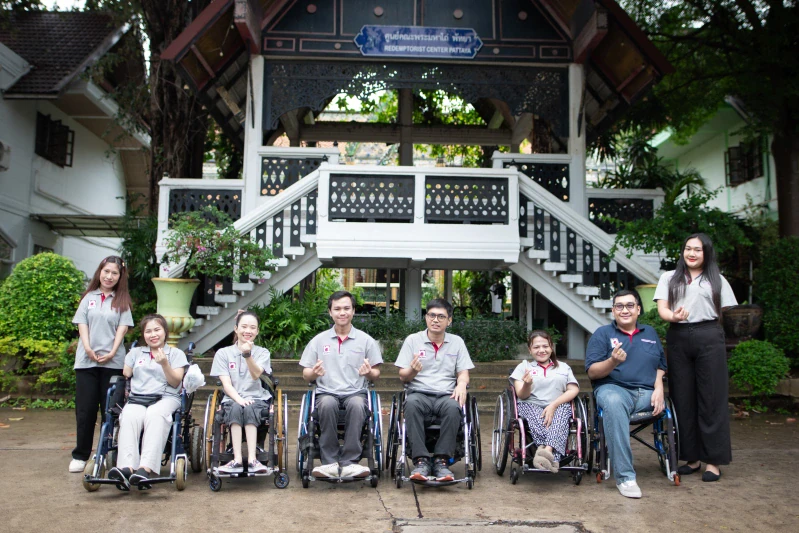
Central Retail has implemented inclusive employment initiatives focused on equality to promote sustainability and reduce social inequality. This project provides equal opportunities for individuals of all genders, ages, and backgrounds to gain employment and develop their potential. Hiring takes place across business locations nationwide. In 2025, Central Retail placed particular emphasis on creating equal employment opportunities for vulnerable groups. Central Retail is committed to fostering an inclusive workplace, employing 259 people with disabilities and 209 elderly employees. These efforts reflect Central Retail’s commitment to reducing inequality in the labor market while promoting diversity in workforce management.
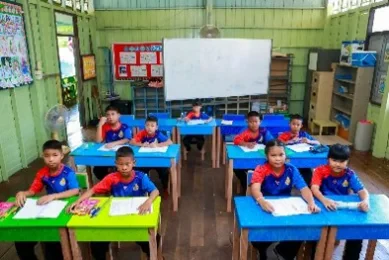
Central Retail has continuously operated a Dual Education Scholarship Program for employees and external students for over 10 years. The program supports sustainable talent development and builds a strong talent pipeline for both supervisory roles and merchandising specialist, while encouraging employees to enhance their knowledge, capabilities, and progress toward roles with greater responsibility in the future. Furthermore, Central Retail collaborates with the Office of the Vocational Education Commission (OVEC) to develop vocational manpower, equip Thai youth with practical job-ready skills, and jointly contribute to a sustainable future for Thailand.
In 2025, a total of 1,301 participants joined the program, with total scholarship funding of 50 million Baht, comprising 152 internal employees, covering diverse educational backgrounds, 9 Vocational Degree, 40 Higher Vocational Degree, 96 Bachelor’s Degree, and 7 Master’s Degree and 1,149 Vocational education students.
Providing access to education for diverse groups reflects Central Retail’s strong commitment to equal opportunity for all. Central Retail supports clear and achievable career pathways across various functions within the organization and continues to expand the Dual Education Scholarship Program through partnerships with leading educational institutions. These efforts aim to build industry-relevant skills and enable employees to grow steadily and sustainably alongside the organization in the long term.
Integrating Diversity, Equity, and Inclusion (DEI) into Organizational Practices
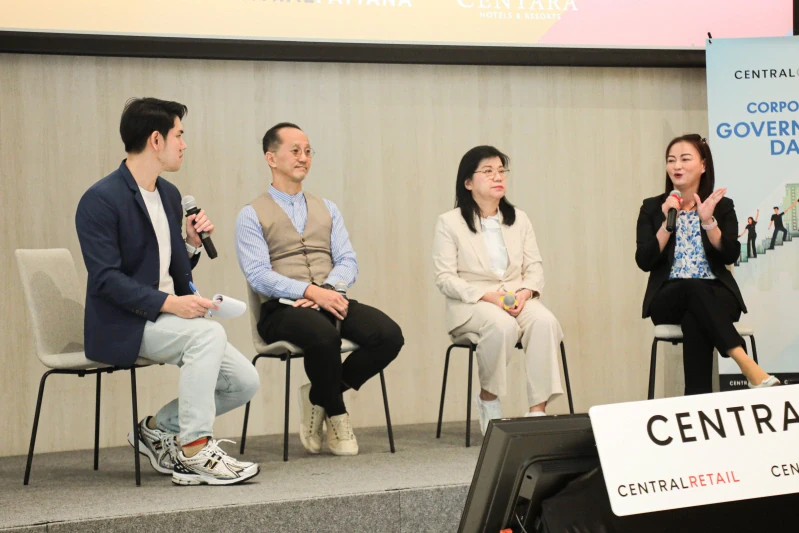
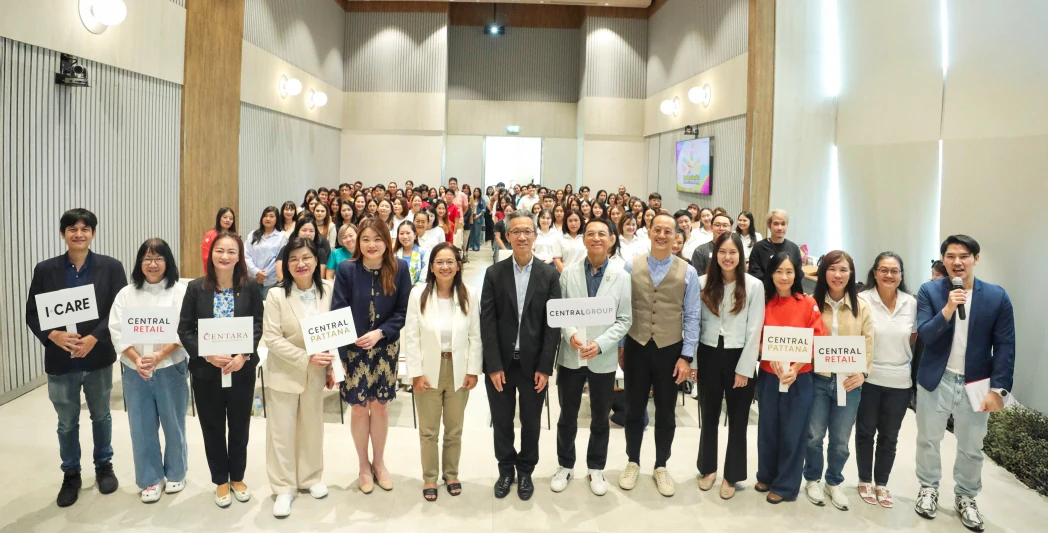
Central Retail values workforce diversity and is committed to creating an environment where everyone feels accepted and empowered to grow and move forward together. This is at the heart of our organization and a key factor in our journey toward becoming ‘A Great Place to Work for All’ To support this mission, Central Retail organized a panel discussion titled ‘Understanding Differences, Embracing Diversity with Equity’, which attracted 1,047 participants. The session was held in collaboration with employee representatives from Central Group affiliates and Amnesty International Thailand, an organization dedicated to promoting and protecting human rights worldwide, in conjunction with Corporate Governance Day, to reinforce ethical business practices and respect for human rights. In addition, Central Retail produced a short video titled ‘The Power of DEI’, sharing real stories and moments of inclusion, mutual respect, and equal opportunity that empower both our people and the organization. The video was shared with employees at all levels to foster a shared understanding and to strengthen a culture of diversity and inclusion, including race, religion, nationality, gender, age, disability, and sexual orientation across the organization.
Central Retail also regularly implements a flagship campaign, ‘SHEPOSSIBLE, WE POSSIBLE: WOMEN’S AGENDA’, to proactively spread positive energy by inspiring and advancing gender equality for women in all roles. These initiatives are reflected in the increase of more than 623 women in executive leadership positions within the organization in 2025, motivating career growth for employees across all groups and contributing to sustainable social development.
Additionally, the Company is committed to promoting awareness of equity for all groups by organizing activities during Pride Month and other significant occasions. These initiatives aim to foster equality, diversity, and inclusion while providing employees with opportunities to contribute ideas and participate in sustainability-related activities. Such activities encourage creativity, enhance adaptability to change, and strengthen appreciation for the values of sustainability and diversity across the organization.
Performance Summary 2025
Company Operations and Joint Ventures under Management Control
Operations of Central Retail’s Key Suppliers

underwent human rights risk assessments.

were identified as having human rights risks.

were subject to mitigation measures to address the identified risks.

Our Stories
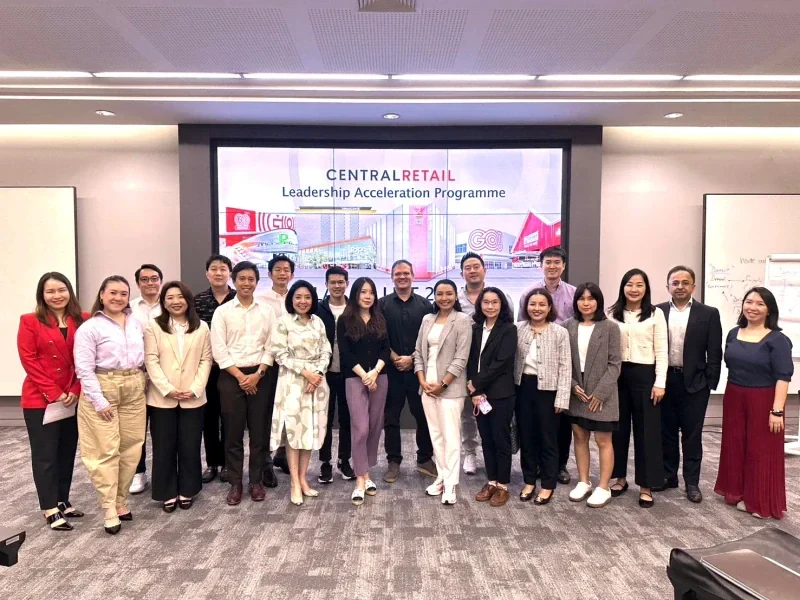
Strengthening People Capabilities, Developing Future Leaders, and Building a Learning Organization
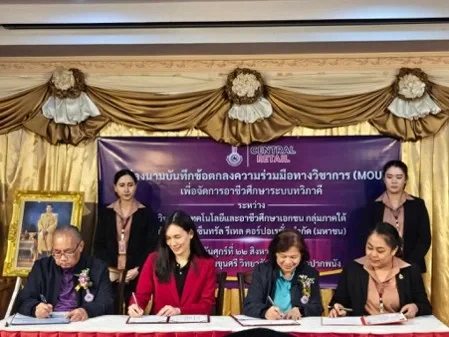
Dual Vocational Education Scholarship Program: Creating Educational Opportunities, Developing People, and Building a Sustainable Future