
Supply Chain Management


Importance
Supply Chain Management involves several complex challenges across multiple dimensions, from raw material responsible sourcing and cost optimization as well as minimizing negative environmental impact and promoting operational fairness and transparency. Due to shifts in the business environment such as stricter environmental regulations, greater customer expectations for sustainability, and increasing complexity of global supply chains, make it essential for Central Retail to maintain high flexibility and adaptability.
Effective supply chain management enhances competitiveness, creates long-term business value and efficient budget control which can bring financial benefits to the organization. By applying ESG principles, Central Retail improves resource efficiency, lowers costs, reduces legal and reputational risks, and builds strong relationships with stakeholders. In addition, supporting national sustainability efforts, such as using alternative energy and reducing greenhouse gas emissions, also strengthens Central Retail’s role in driving the green economy and creating positive social impact.
Central Retail strengthens its supply chain by enforcing a Supplier Code of Conduct, integrating ESG standards into contracts, and encouraging suppliers to enhance their environmental performance. Central Retail also leverages technology to optimize transportation and energy use while prioritizing fair labor and workplace safety. These actions help reduce disruption risks, build stakeholder trust, and support sustainable business growth.
Management Approach
Central Retail is dedicated to optimizing its supply chain operations and collaborating with suppliers and stakeholders to promote sustainable practices. This dedication is guided by three core strategies:
- Customer Centricity: Gaining a deep understanding of customer expectations to deliver curated products that inspire and delight.
- Quality and Variety of Assortment: Selecting products that provide the best balance of quality and price, ensuring maximum value for customers.
- Sustainable Business Practices: Offering products that are evaluated for their social and environmental impacts to support responsible and sustainable growth.
Central Retail places strong emphasis on partnering with suppliers who actively consider environmental and social impacts in their operations by Supply Chain Management team is in taking care of supply chain of Central Retail to obtain the efficiency and operational benefits. Central Retail has enhanced energy efficiency across its supply chain and achieved certification under the ISO 50001 energy management system, supporting improved energy utilization, lower operating costs, and reduced greenhouse gas emissions. In addition to environmental stewardship, Central Retail upholds responsible labor practices and safeguards human rights for both employees and suppliers, including ensuring appropriate working hours, minimizing excessive overtime, and promoting fair compensation. At the same time, Central Retail has strengthened its occupational health and safety standards by adopting the ISO 45001 management system, establishing a systematic approach to workplace safety, reducing potential hazards, and promoting the well-being of personnel. This initiative enhances the safety of distribution center operations while maintaining environmental and sustainability performance. Furthermore, Central Retail encourages its suppliers to advance their ESG performance by sharing best practices, offering training programs, and integrating sustainability principles into their business activities.
Central Retail Sustainable Supply Chain Management System
Central Retail has established a sustainable supply chain management framework to ensure that all stakeholders, particularly employees and suppliers, are aligning and complying with high sustainability requirements. Oversight of this framework is provided by the Supply Chain Sustainability Committee, which operates under the leadership of a Board member from the Corporate Governance and Sustainability Committee. The committee is further supported by the Supply Chain Director and representatives from merchandising and supply chain functions across all business units. To reinforce supplier accountability, Central Retail has embedded its Supplier Code of Conduct into standard contracts and trade term agreements.
All suppliers are required to comply with the Supplier Code of Conduct, with an emphasis on responsible sourcing of raw materials, for instance raw materials certified to sustainability standards and avoiding materials sourced from important biodiversity conservation areas. Furthermore, the Company recognizes the importance of animal welfare within the supply chain. In additions, suppliers are required to comply with applicable laws and regulations related to working conditions, including maintaining appropriate working hours for employees and implementing measures to prevent and reduce excessive working hours for their employees, in compliance with applicable laws and aligned with internationally recognized labor standards.
Central Retail also conducts ongoing reviews of internal merchandising practices to ensure alignment with the latest Supplier Code of Conduct requirements and consistency with ESG expectations.
Central Retail’s sustainable supply chain management system operates through a structured and comprehensive process. It begins with supplier screening, using tools such as the supplier screening matrix and the CRC ESG Watchlist to identify significant suppliers. These suppliers then undergo a detailed evaluation that combines both desk-based reviews and on-site assessments. Findings from these assessments inform the development of corrective action plans when improvements are required.
To strengthen internal expertise, Central Retail provides comprehensive ESG training for buyers, merchandisers, and other key stakeholders. Central Retail also drives ongoing supplier advancement through development programs and an ESG benchmarking system. This benchmarking enables suppliers to measure their sustainability performance against industry peers, fostering healthy competition and encouraging continuous improvement in ESG practices.
Supplier Screening, Assessment and Development
Central Retail has established a structured process to identify and evaluate sustainability risks across its supply chain. This process consists of five key stages: (1) Supplier Selection, (2) Supplier Screening, (3) Supplier Assessment, (4) Corrective Action Planning, and (5) Supplier Development. Central Retail currently focuses on first-tier (Tier-1) suppliers and intends to expand these practices to encompass additional supplier tiers in the future.
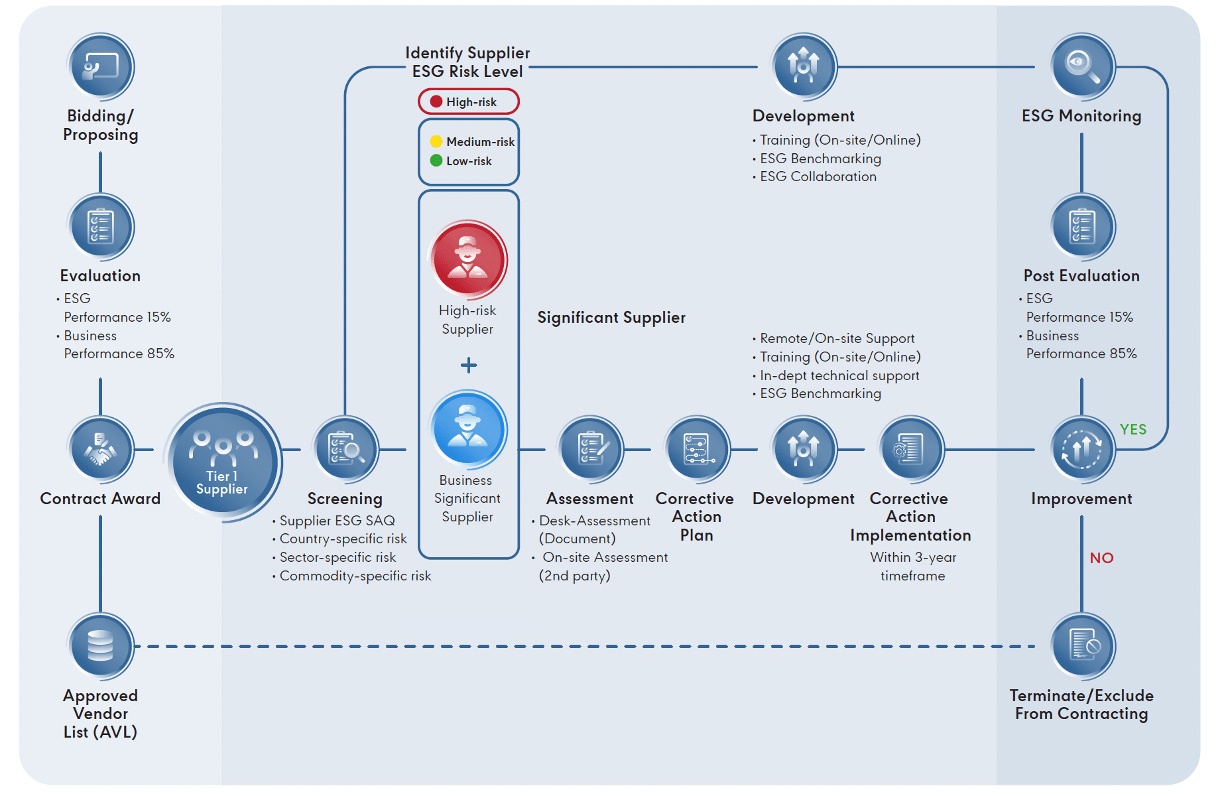
Central Retail has implemented structured supplier management measures, beginning with mandatory adherence to the Supplier Code of Conduct for all new and existing suppliers. Those unable to meet the minimum ESG requirements within a three-year period may face potential termination and removal from future contracting.
1. Supplier Selection
The supplier selection process is guided by two key evaluation dimensions:
- ESG Performance (15%) – Measured through a required Self-Assessment Questionnaire (SAQ) that reviews a supplier’s Environmental, Social, and Governance practices and their alignment with the Supplier Code of Conduct. Strong SAQ results enhance a supplier’s overall evaluation score and increase their competitiveness for contract opportunities.
- Business Performance (85%) – Assessed through factory checklists, performance reviews, and other standard business criteria.
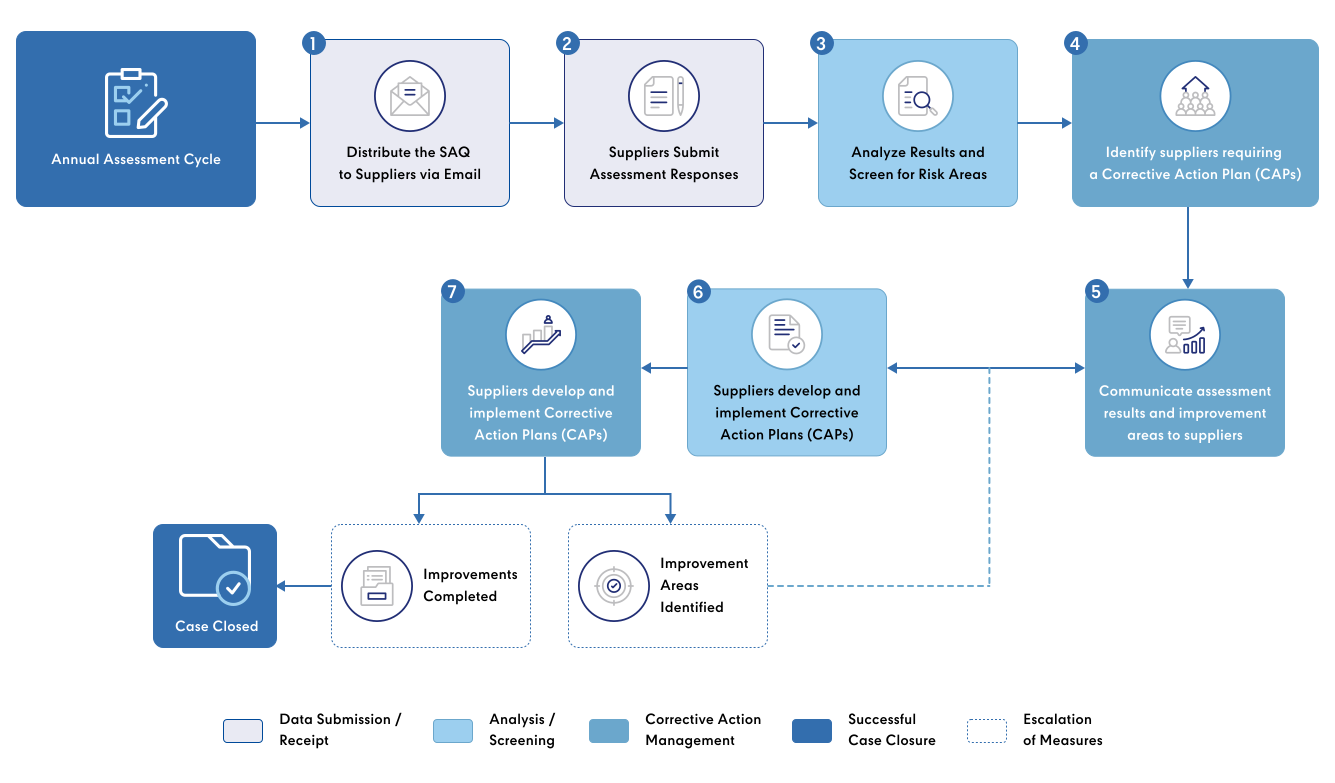
All suppliers are required to complete the annual SAQ to demonstrate their ESG management systems and processes. Suppliers who meet the evaluation criteria are added to the Approved Vendor List (AVL) and become eligible for contract consideration. This assessment is conducted every year. After onboarding, suppliers are subject to more detailed ESG risk evaluations as part of ongoing supplier assessment procedures.
Once added to the AVL, suppliers undergo a screening process to identify “significant suppliers.” Central Retail defines significant suppliers as those with high business relevance to Central Retail and potentially elevated ESG risks - whether related to country, sector, or commodity factors.
2. Supplier Screening
Central Retail has developed screening processes for both Tier 1 and Non-Tier 1 suppliers using two primary tools: the supplier screening matrix and the CRC ESG Watchlist. The supplier screening matrix serves as an evaluation framework that assesses suppliers across two key dimensions:
-
2.1 Business Criteria – Identifying suppliers that are critical to Central Retail’s operations based on factors such as:
- Total procurement spend
- Component criticality
- Supplier substitutability
- Own Brand/Private label dependency
-
2.2 Supply Chain ESG Risk Criteria – Evaluating general information, as follow:
- Country-specific risks: Potential negative ESG impacts arising from political, social, economic, environmental, or regulatory conditions in each country.
- Sector-specific risks: Potential negative ESG risks associated with sector characteristics, including labor conditions, resource use, energy consumption, and pollution potential.
- Commodity-specific risks: Potential negative risks related to the supply chain structure of raw materials or products, covering issues such as labor practices, land and resource use, energy use, pollution, and material toxicity.
To further strengthen the screening process, Central Retail incorporates external data analysis through social listening. This approach helps detect potential complaints, compliance issues, and any signs of non-adherence to the Supplier Code of Conduct or relevant regulations. By combining business relevance, ESG risk insights, and social listening results, Central Retail can more accurately identify significant suppliers.
3. Supplier Assessment
Following the screening process, all significant suppliers must undergo a supplier desk assessment, during which they are required to provide detailed documentation and evidence for Central Retail’s review. This assessment applies the Supplier Code of Conduct and the SMETA audit methodology, evaluating suppliers across four key areas: labor standards, health and safety, environmental management, and business ethics. Suppliers must submit supporting materials such as policies, procedures, reports, records, and certifications to demonstrate their ESG performance. Through this structured process, Central Retail classifies significant suppliers into high, medium, or low risk categories. Suppliers identified as medium or low risk are considered to have passed the assessment.
Business Significant Suppliers and suppliers categorized as high risk are required to undergo a more comprehensive on-site assessment conducted by Central Retail’s cross-functional teams—such as supply chain, merchandising, compliance, and audit—or by qualified third parties. On-site evaluations provide deeper insights into actual operating conditions and help identify root causes of risk issues. Suppliers that fail to resolve these issues and reduce their risk rating to medium or low within three years will be removed from the Approved Vendor List (AVL) and excluded from future contracting.
4. Corrective Action Plan
Insights gathered from on-site assessments, including primary data and root causes of identified risks, are used to develop corrective action plans for high-risk significant suppliers. These plans outline clear actions, assigned responsibilities, and timelines to guide remediation, mitigation, and the prevention of actual or potential ESG risks.
Once Central Retail and the supplier agree on the corrective action plan, the supplier is required to address all outstanding issues within a 3-year timeframe before undergoing a follow-up assessment. If the reassessment confirms that the supplier’s risk level has improved from high to medium or low, the supplier can be included in AVL. Suppliers that fail to complete the corrective actions or do not meet the minimum ESG requirements within the designated period will be excluded from future contracting.
Of the 5 significant suppliers identified with non-compliance issues, all received Corrective Action Plans (CAPs) requiring them to address identified gaps within a specified timeframe. Central Retail conducted follow-up assessments to verify remediation. No suppliers were terminated during the reporting period.
5. Supplier Development
Beyond monitoring ESG performance, Central Retail also focuses on supplier development by sharing sustainability best practices and delivering capacity-building training programs. Central Retail supports suppliers in implementing corrective and improvement actions by providing tailored guidance, including remote consultations when needed. Progress is tracked through regular follow-ups to ensure effective implementation. These initiatives help suppliers align their operations with Central Retail’s sustainability framework while strengthening trust across the value chain.
Central Retail also conducts ESG benchmarking to categorize suppliers into high, medium, and low risk levels and provides visibility into suppliers’ ESG initiatives—such as energy-saving measures, water recycling projects, environmental policies, anti-corruption programs, and data privacy practices. This process offers a holistic view of supplier sustainability efforts, supports performance monitoring, encourages collaboration, and motivates broader engagement in ESG practices.
To further enhance supplier performance and long-term sustainability outcomes, Central Retail continues to seek opportunities for supply chain improvement, establish new sustainability targets, and promote the exchange of best practices among suppliers and stakeholders.
Result of Supply Chain Risk Assessment
Supply Chain Management Risks
Supply chain operations face multiple risks, particularly in supplier management and responding to customer demand. These include reliance on single suppliers, commodity price volatility, product mismatches with customer preferences, product safety issues, and demand slowdowns driven by geopolitical or economic disruptions. Operational risks also arise from inventory imbalances, outdated stock, transportation capacity limits, and labor shortages.
Central Retail also prioritizes managing sustainability-related risks across environmental, governance, and social areas. Environmental risks include pollution and the overuse of natural resources in supplier production, sourcing activities, and internal supply chain operations. Governance risks involve non-compliance with laws related to customs procedures and transportation, along with potential fraud in procurement and supply chain processes. Social risks encompass supplier violations of human rights, safety concerns in warehouse and logistics operations, and inappropriate labor practices such as the use of child labor or assigning hazardous tasks to pregnant workers.
ESG Risks from Suppliers
Central Retail’s assessment of supplier-related sustainability risks indicates that several areas, particularly governance, present notable vulnerabilities. Some suppliers do not have essential policies governing ethical business practices, including codes of ethics, anti-fraud and anti-corruption measures, or policies that address data privacy and security in line with the Personal Data Protection Act (PDPA). In addition, the absence of confidential and transparent whistleblowing or complaint channels increases the potential for fraud and may pose long-term reputational risks for both the suppliers and Central Retail.
Social risks are also evident, especially in the area of occupational health and safety. Certain suppliers lack clear safety policies, do not provide ongoing safety training, and have insufficient emergency response plans or procedures. Such deficiencies can adversely affect workplace safety, heighten the probability of accidents, and expose both suppliers and Central Retail to risks involving employee well-being, property damage, and reputational impact.
Central Retail is committed to integrating its Supplier Code of Conduct into training for procurement and merchandise staff. An e-learning course covering Social Supply Chain topics — including labor rights, human rights, appropriate working hours, and fair wages — has been developed and is being delivered through the Company's internal learning platform. This initiative ensures that relevant personnel are equipped with the knowledge to apply responsible sourcing principles effectively in supplier selection and management.
Project Highlights
Strengthening Sustainable Supply Chain Collaboration
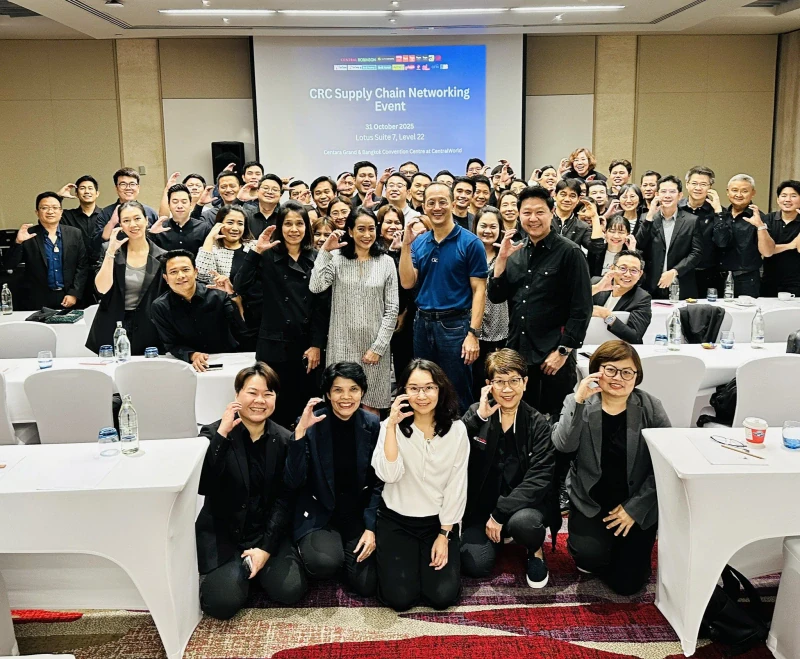
In 2025, Central Retail organized the CRC Supply Chain Networking Event, bringing together supply chain teams from across all business units to exchange best practices in both operational excellence and sustainability. This annual platform strengthens cross-functional collaboration, enabling teams to learn from shared experiences, streamline processes, and identify opportunities for improving efficiency across the value chain. The event highlights Central Retail’s ongoing efforts to advance sustainability within the supply chain while promoting shared responsibility among business units to elevate environmental and social performance across the value chain by encouraging open dialogue on ESG integration, responsible sourcing, energy and waste management, and innovative solutions that support long-term environmental and social goals. Through this collaborative approach, Central Retail continues to build a more resilient, efficient, and sustainable supply chain that delivers value for customers, suppliers, and stakeholders.
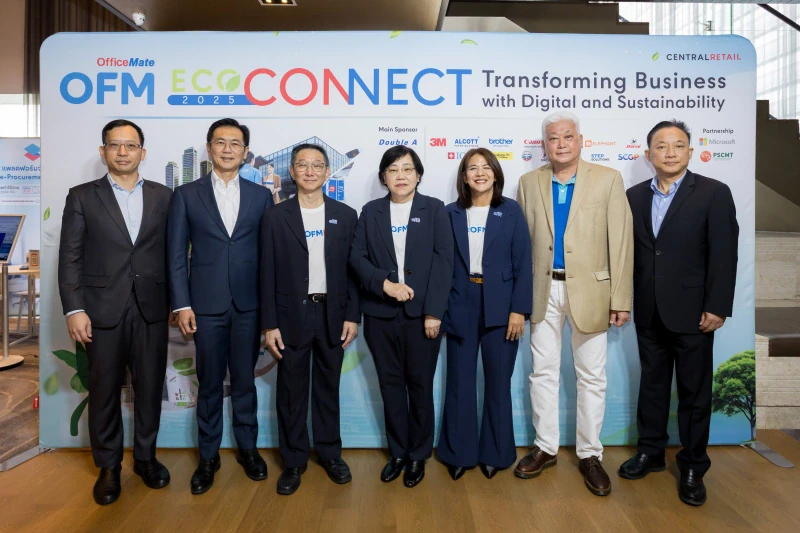
OFM EcoConnect 2025: Transforming Business with Digital and Sustainability
Along with Central Retail’s retail procurement management guidelines, OfficeMate hosted ‘OFM EcoConnect 2025’. This event served as a collaborative platform to bridge business sectors, reinforcing the mission to empower Thai entrepreneurs to achieve efficient and sustainable growth in the modern business landscape. Senior executives from over 200 leading companies, business clients, and partners gathered to exchange insights on innovation and strategies for driving organizations through ESG principles and digital integration. OfficeMate also showcased ‘OFMBiz’, a B2B online procurement platform that enhances budget management with transparency and speed, reducing procurement costs by up to 40%. Featuring Smart Dashboard & Reporting for precise budget control, the platform is currently trusted by more than 3,000 organizations nationwide.
Performance Summary 2025

Total Tier-1 Suppliers

Total Significant Suppliers

Total Suppliers Assessed

New Suppliers Screened using Environmental and Social criteria
Significant Supplier Risk Assessment and Management Results
Assessment Results and Follow-up Actions
5 Suppliers
Suppliers with identified improvement areas based on SAQ assessment results
5 Suppliers
Suppliers covered by Corrective Action Plans (CAPs)
0 Suppliers
Suppliers subject to business relationship termination as a result of the assessment
Improvement Areas Identified from the Assessment (by Category)
(100% of suppliers covered by CAPs)
Improvement Area:
Environmental
(60% of suppliers covered by CAPs)
Improvement Area:
Occupational Health and Safety
(100% of suppliers covered by CAPs)
Improvement Area:
Business Ethics and Governance

Our Stories
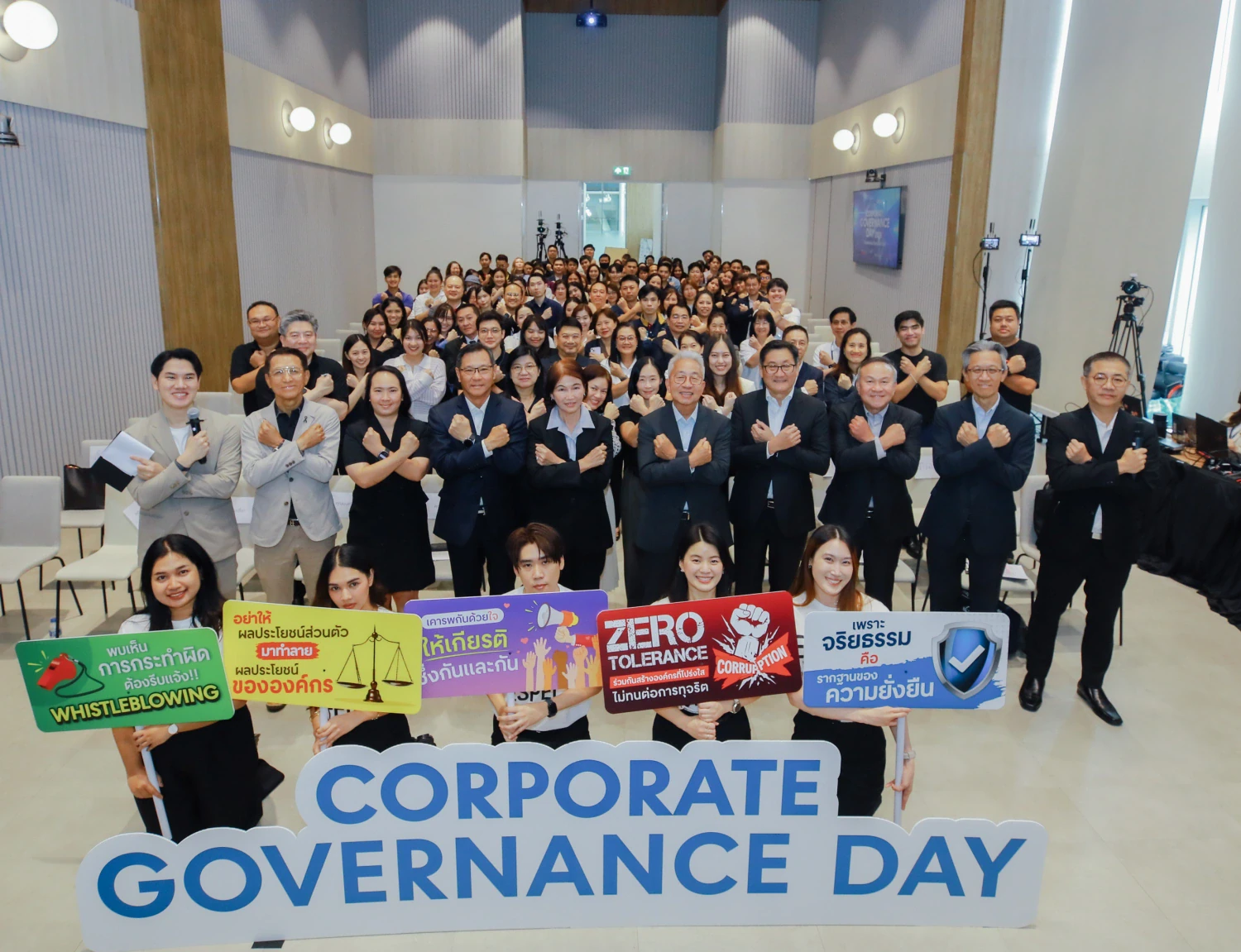
Central Group Corporate Governance Day 2026
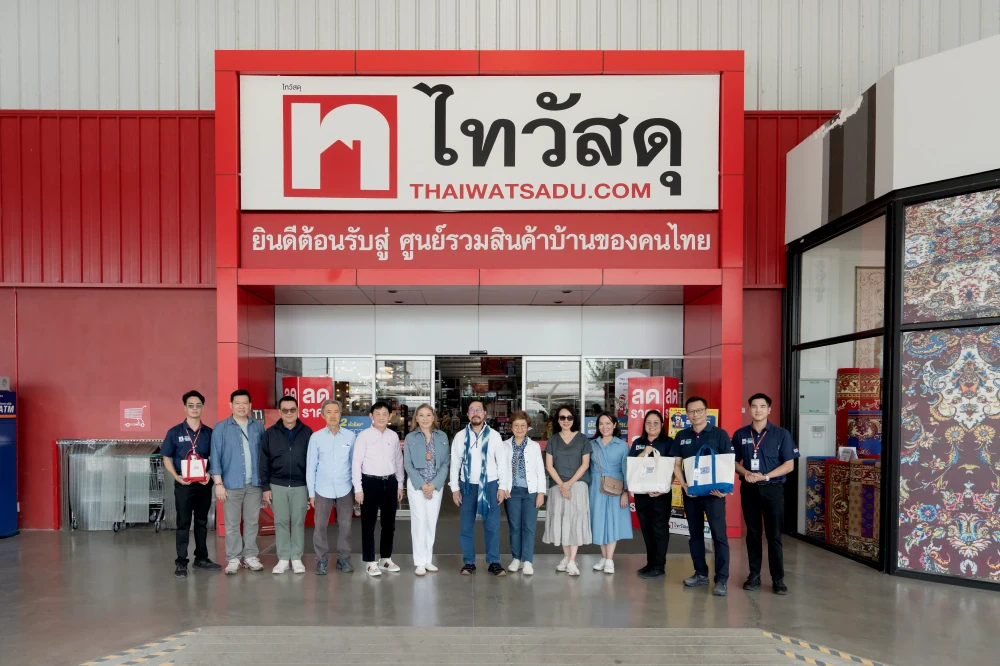
คณะกรรมการบริษัท และคณะกรรมการบรรษัทภิบาลและการพัฒนาเพื่อความยั่งยืน ลงพื้นที่จังหวัดเชียงใหม่ เยี่ยมชมธุรกิจในเครือ และโครงการด้านความยั่งยืน