Advancing Zero Waste and Circular Economy
Get Donate, Make Your Move project
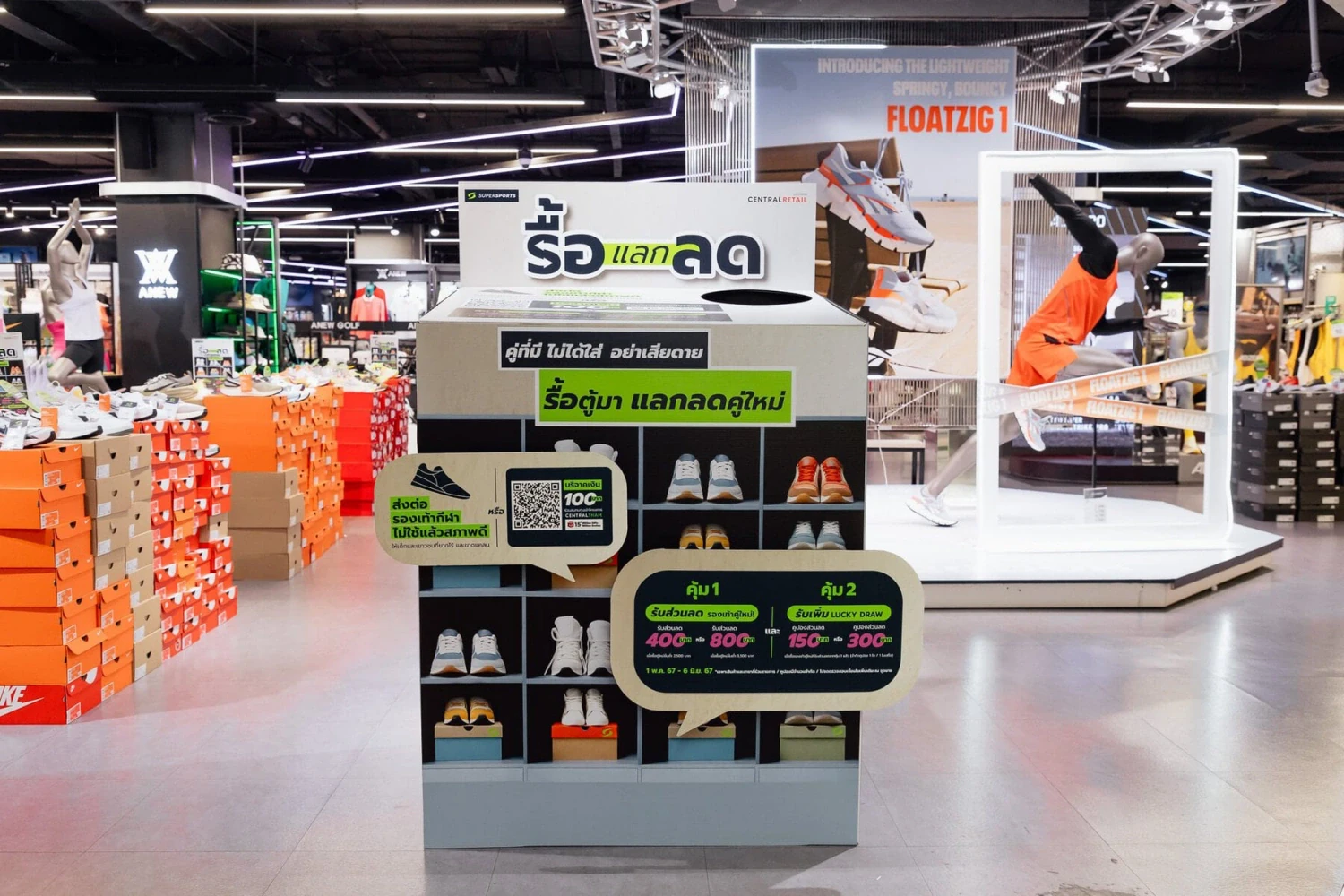
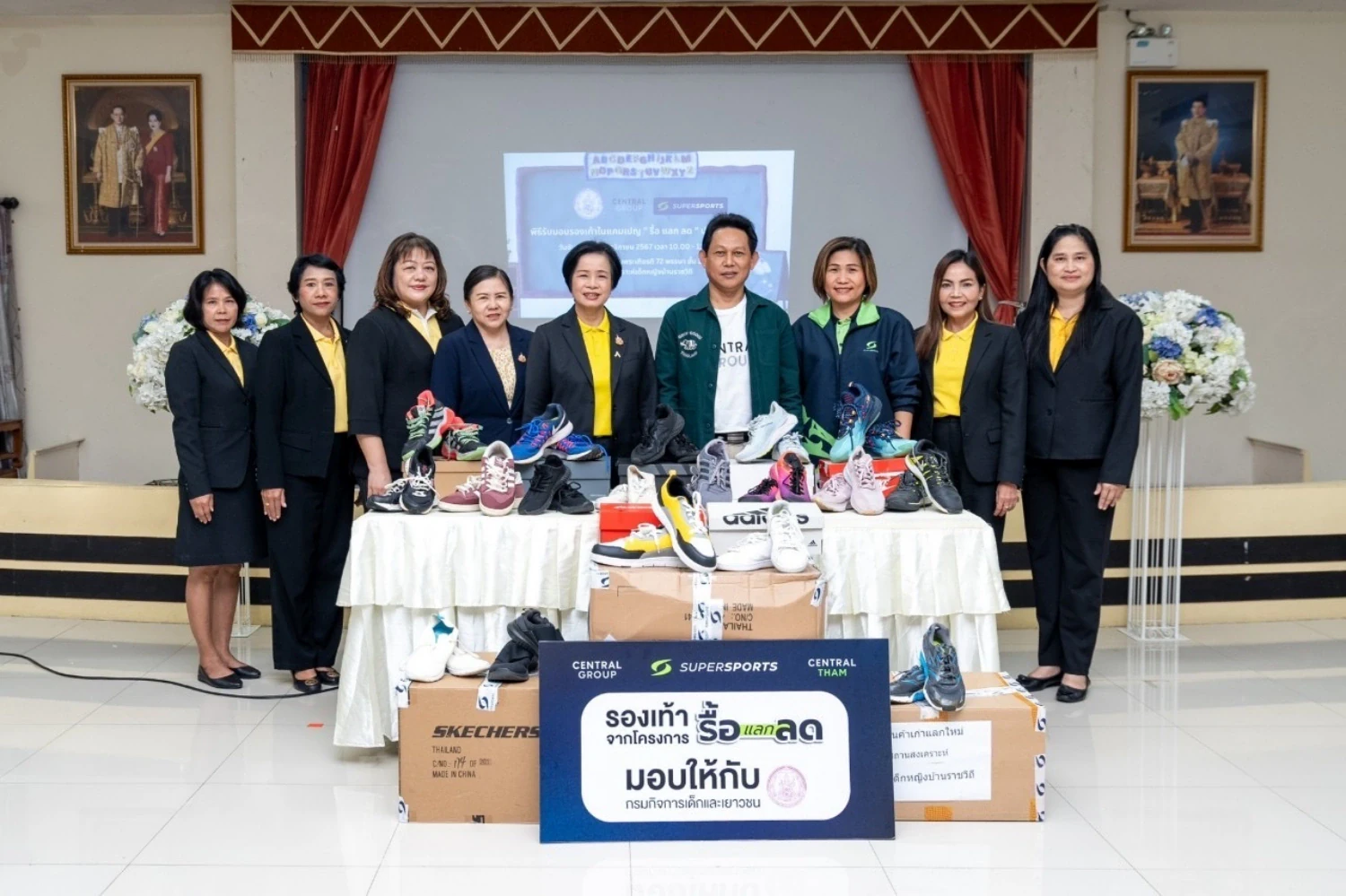
Supersports, part of Central Retail, has launched the “Get Donate, Make Your Move” project, aimed at promoting equal access to sports and supporting youth development. This initiative collects gently used sports shoes from customers across Thailand and donates them to the Department of Children and Youth for distribution to shelters across the country. In 2024, the project collected 3,225 pairs of shoes, diverting 3.72 tons of waste from disposal. In 2025, the project collected 4,400 pairs of shoes, diverting 5.08 tons of waste from disposal. Additionally, Central Marketing Group, the official distributor of Hush Puppies footwear, collaborated with the Pan Kan Shop in the “Hush Puppies and Pan Kan Join Hands: Donate in the Kindness Box” project.This initiative encourages the donation of gently used shoes to the Yuvabadhana Foundation, successfully collecting 191 pairs of shoes and reducing waste by 171 kilograms.
Supersports 10 Mile Run Thailand Project
Supersports, under Central Retail, is committed to making sporting events more environmentally responsible by reducing waste, improving resource efficiency, and minimizing the use of single-use materials. Through the Supersports 10 Mile Run Thailand, Supersports collaborated with the Bangkok Metropolitan Administration (BMA), Chula Zero Waste, and Ecocrew to promote sustainable practices and raise environmental awareness among athletes, spectators, and participants. Under the concepts “Move You, Move Sports” and “Move the Change in Society, Re-Balance the World,” Supersports enhanced the event’s environmental management by replacing single-use plastic cups with refillable cups, using bio-based materials for race packs, eliminating pacer balloons, and providing waste segregation points throughout the event. These measures were designed to promote resource efficiency, reduce unnecessary waste, and support the goal of Zero Waste to Landfill.
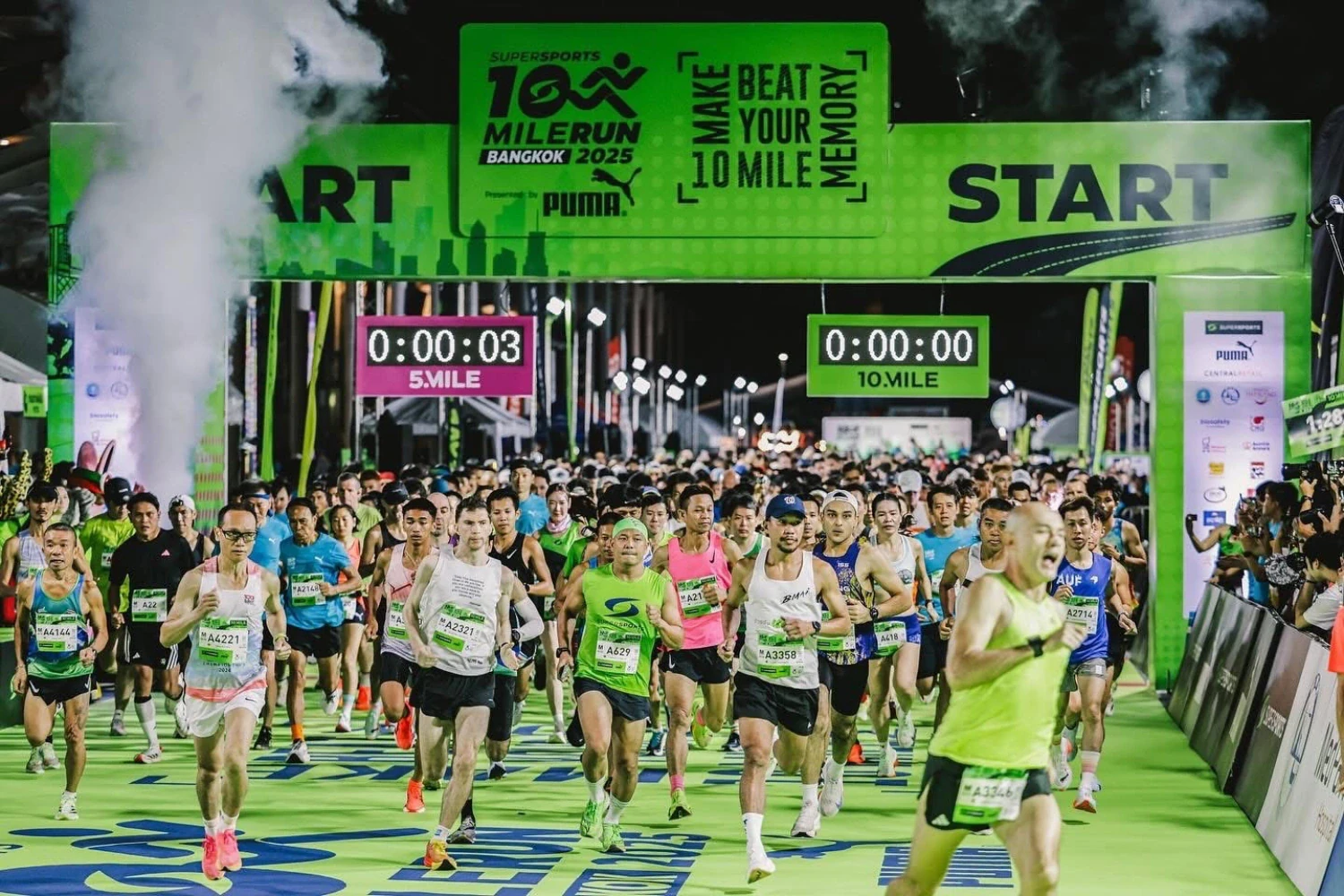
Across the 2024–2025 events, more than 15,000 participants joined the Supersports 10 Mile Run Thailand. The initiative reduced the use of single-use plastic cups by more than 100,000 cups and reduced greenhouse gas emissions by more than 72 kgCO₂e through reduced consumption of materials and single-use plastics. Waste segregation points and the reduction of unnecessary materials also encouraged participants, athletes, and spectators to adopt more environmentally responsible behaviors.
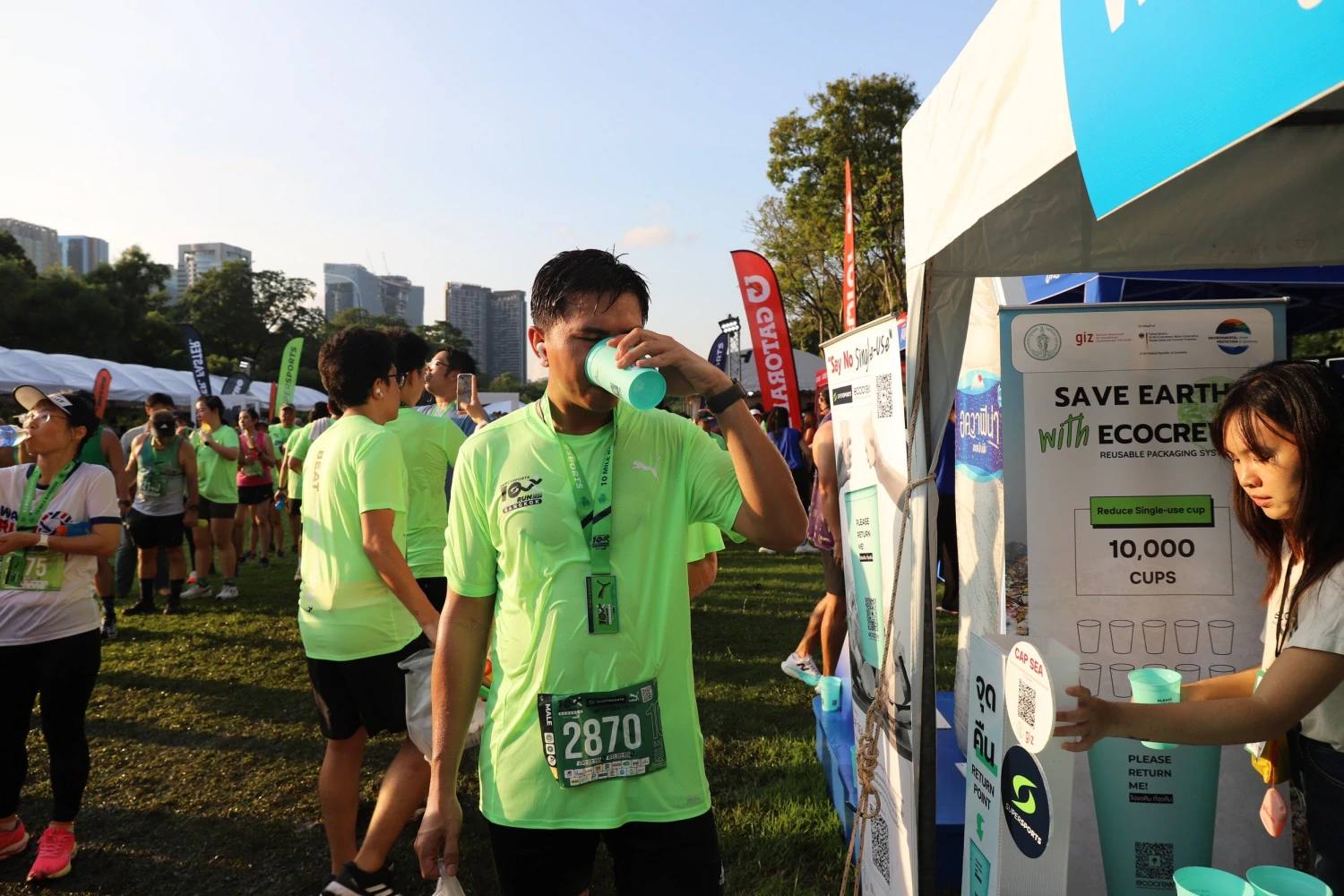
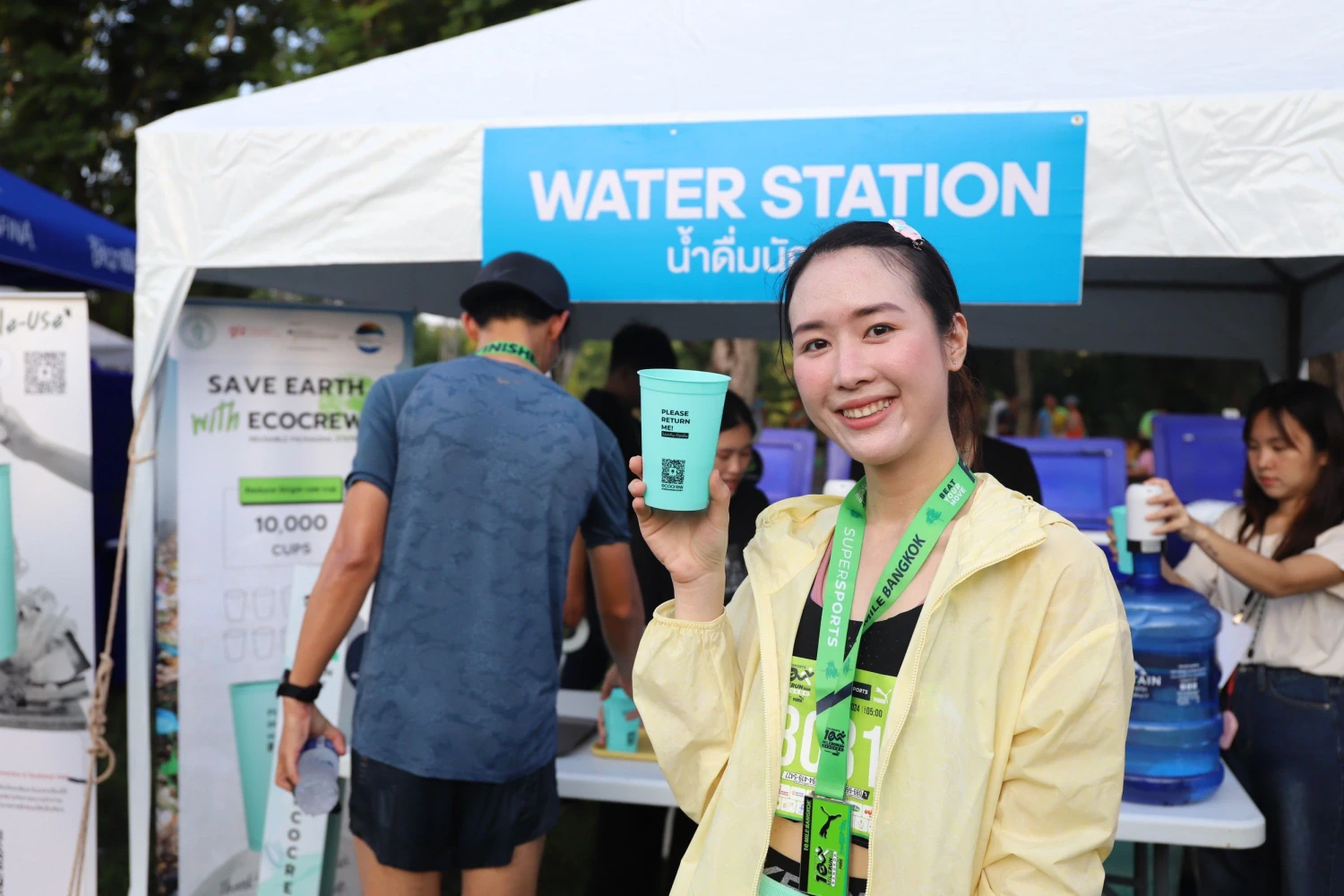
The initiative demonstrates Supersports’ commitment to integrating Circular Economy and Resource Efficiency principles into its business activities while using sports as a platform to inspire positive environmental action. By making sustainability part of the sporting experience, Supersports aims to demonstrate that sporting events can contribute to positive environmental and social impacts while promoting health and well-being. In recognition of its efforts to reduce waste and carbon emissions from sporting events, Supersports 10 Mile Run Thailand received the ESG Business Awards 2025: Waste Reduction Award, demonstrating the tangible impact of integrating sustainable waste management practices into event operations.
Trade-in Project
Power Buy, part of Central Retail, has implemented a comprehensive e-waste management program. Customers are encouraged to bring in old electrical appliances to exchange for discounts, promoting the proper collection and disposal of electronic waste. Appliances that are still in good condition are donated to vocational schools, including Phra Dabos School, Bangsaen Technical College, and Uthai Thani Technical College, to support skill development and learning. Functional appliances are also distributed to schools and remote communities for further use. Non-functional appliances are disassembled and recycled according to international standards. In 2024, more than 600 pieces of e-waste were collected and properly managed, reducing waste by 24.4 tons and reducing greenhouse gas emissions by 57 tons of carbon dioxide equivalent.
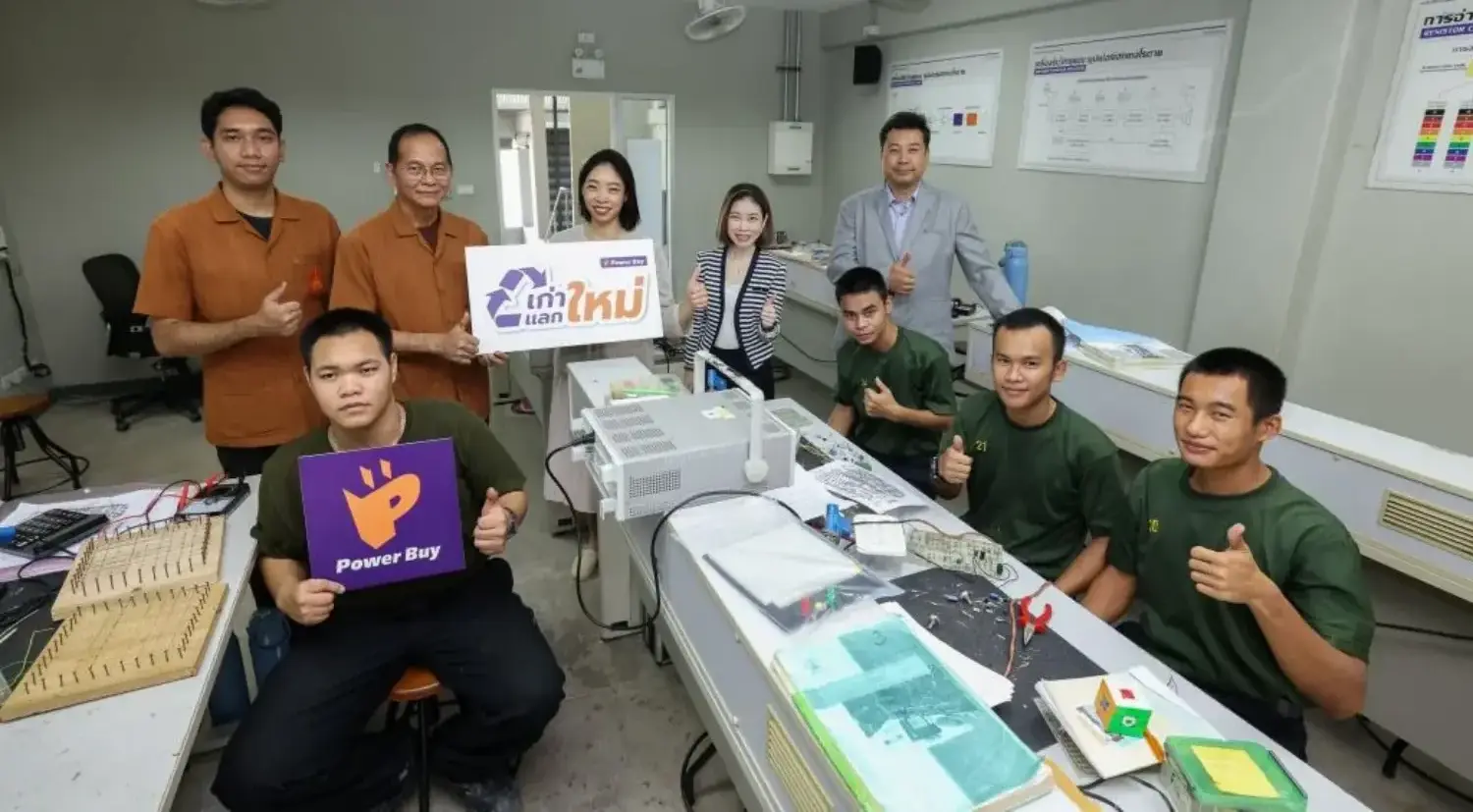
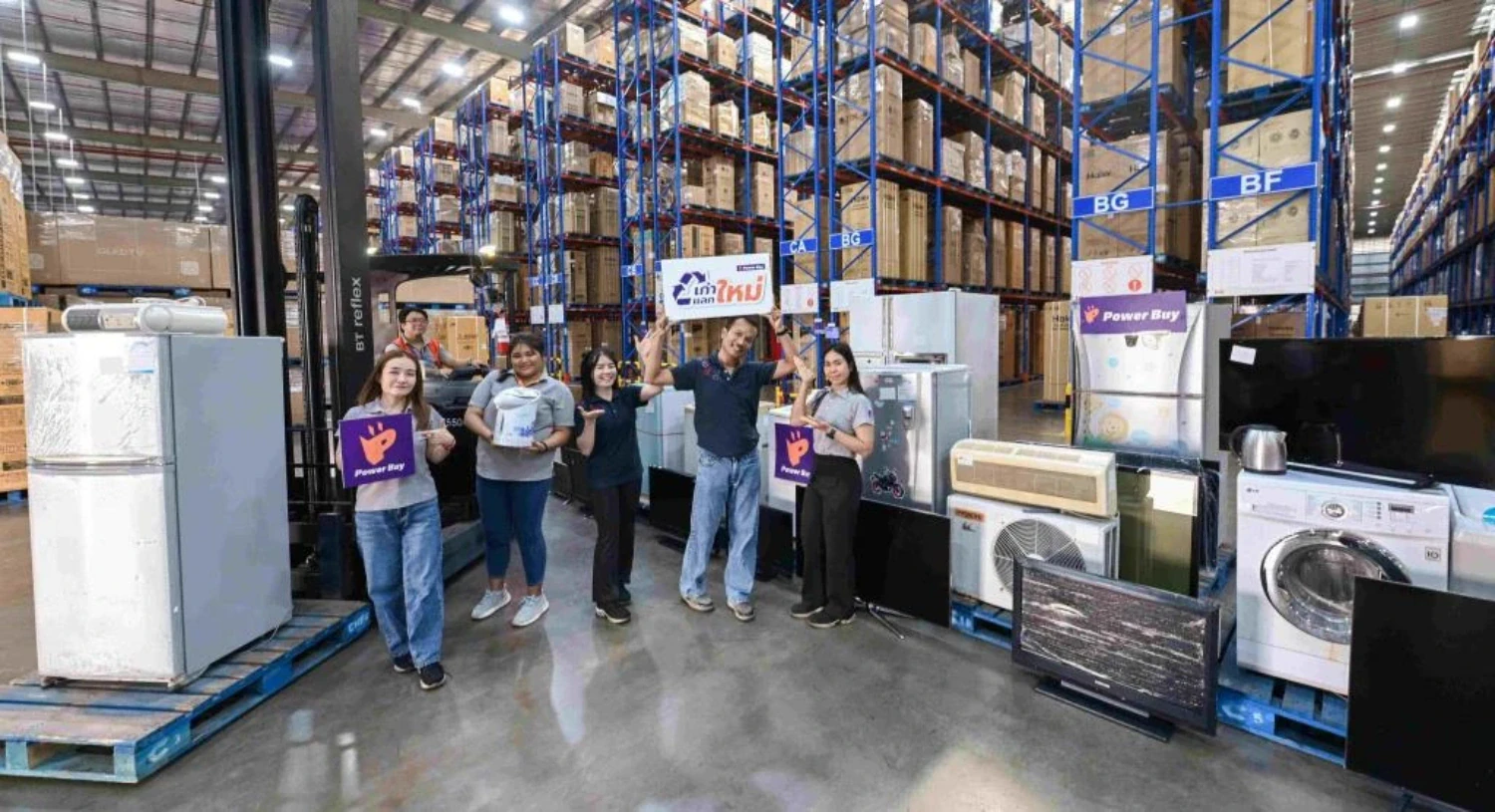
In 2025, Power Buy, under Central Retail, continued its “Trade-in” project for the third consecutive year under the principles of the Circular Economy, transforming used electrical appliances into valuable learning resources for society. Selected items were donated to the Pradabos Foundation and Pradabos School to support vocational training and enhance students’ practical skills in electrical and electronics.
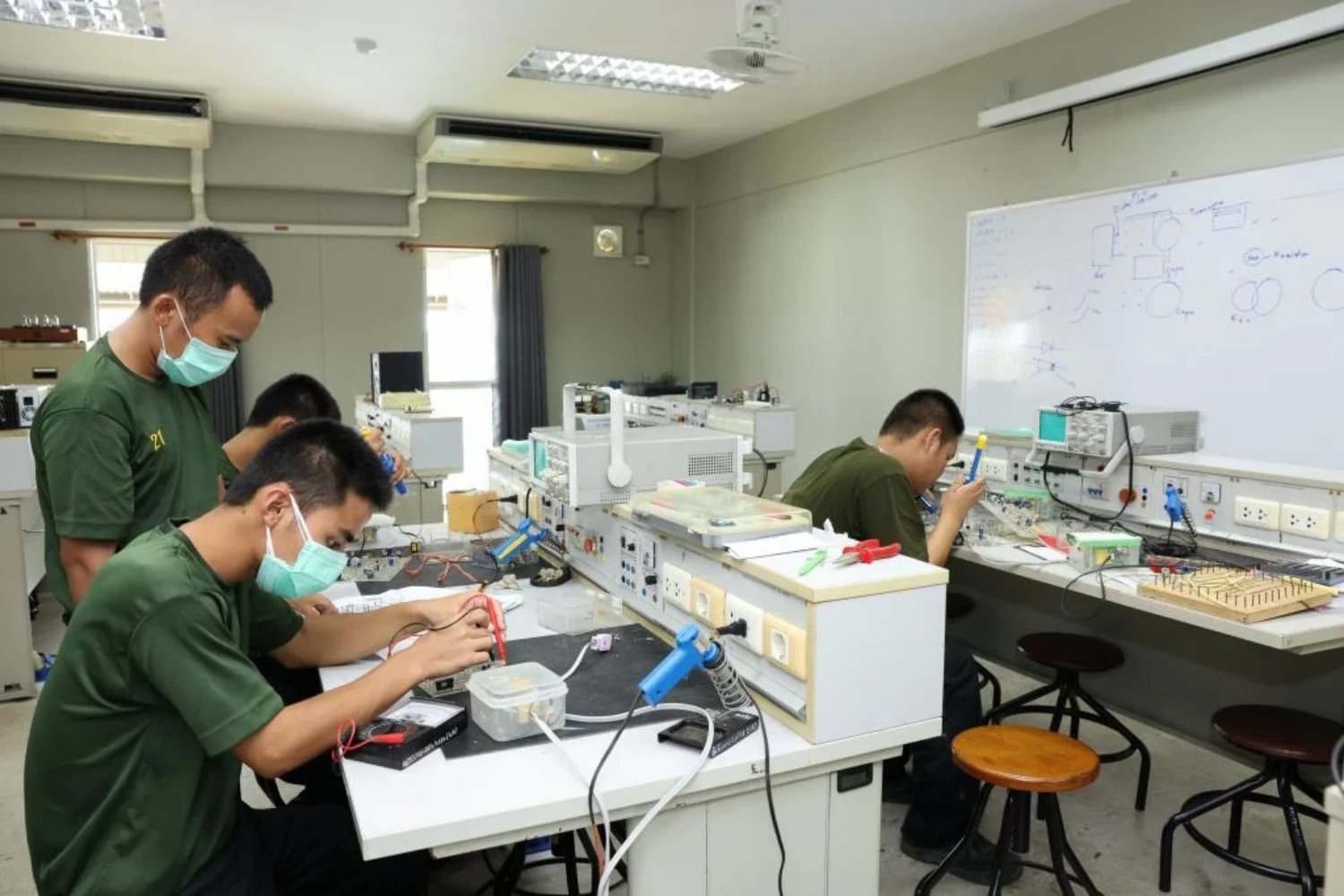
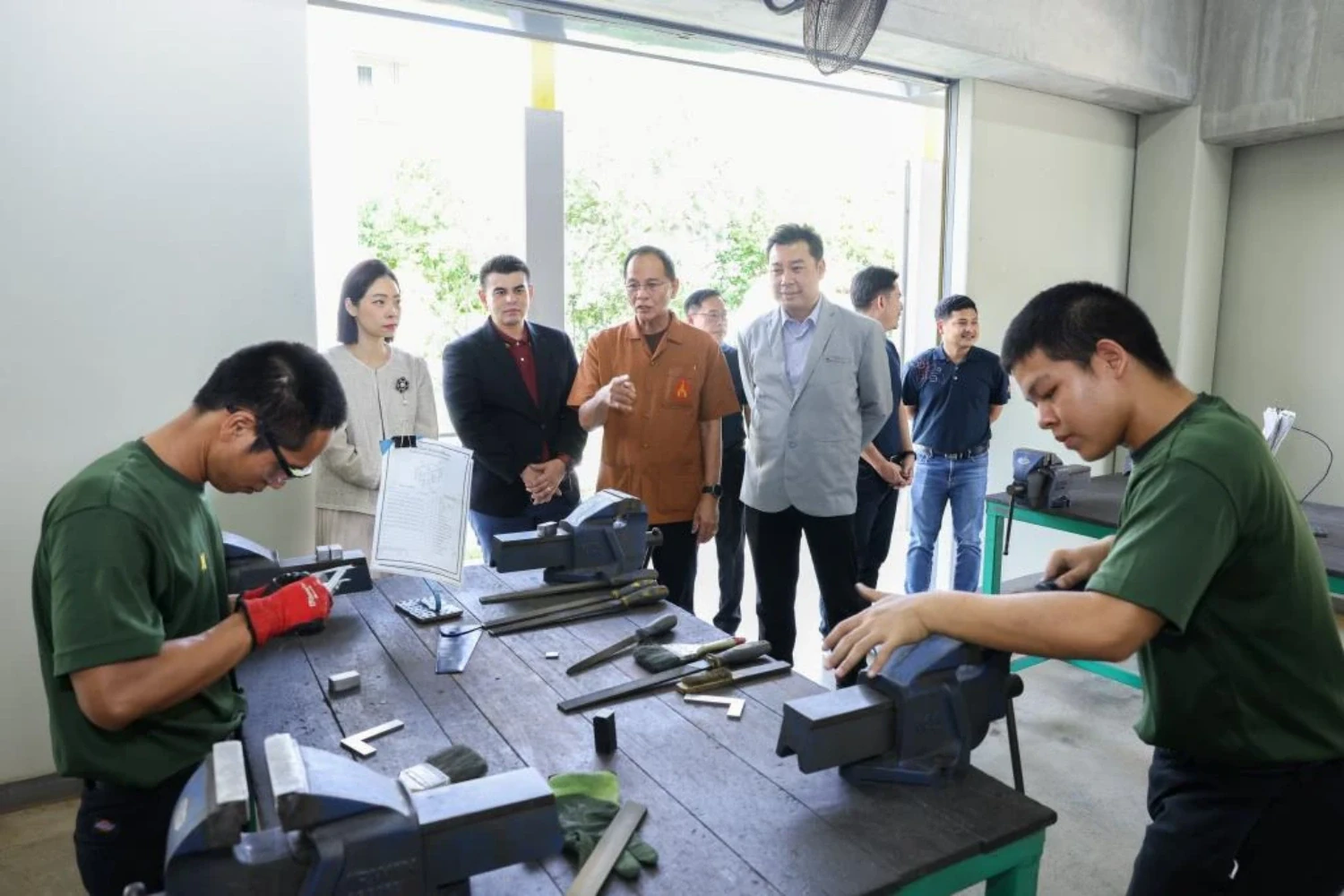
The initiative creates value across two key dimensions: environmental impact and social and educational value. From an environmental perspective, the project promotes the proper management of electronic waste, reducing waste that is difficult to decompose while ensuring that collected appliances are directed to appropriate reuse and recycling processes. From a social and educational perspective, appliances that remain suitable for use are repurposed as training equipment, providing students and young people with opportunities to develop practical skills that can support future career development. Through this initiative, Power Buy demonstrates its commitment to integrating environmental responsibility with social value creation, turning unwanted electrical appliances into opportunities for learning and skills development. Guided by the belief in “small actions that create meaningful change,” Power Buy continues to raise awareness, encourage responsible e-waste management, and expand the initiative to reach more communities.
The project reflects Power Buy’s ambition to create a meaningful connection between technology, people, and the environment, contributing to a more sustainable future and a better quality of life for society.
Trash Lucky Recycling Project
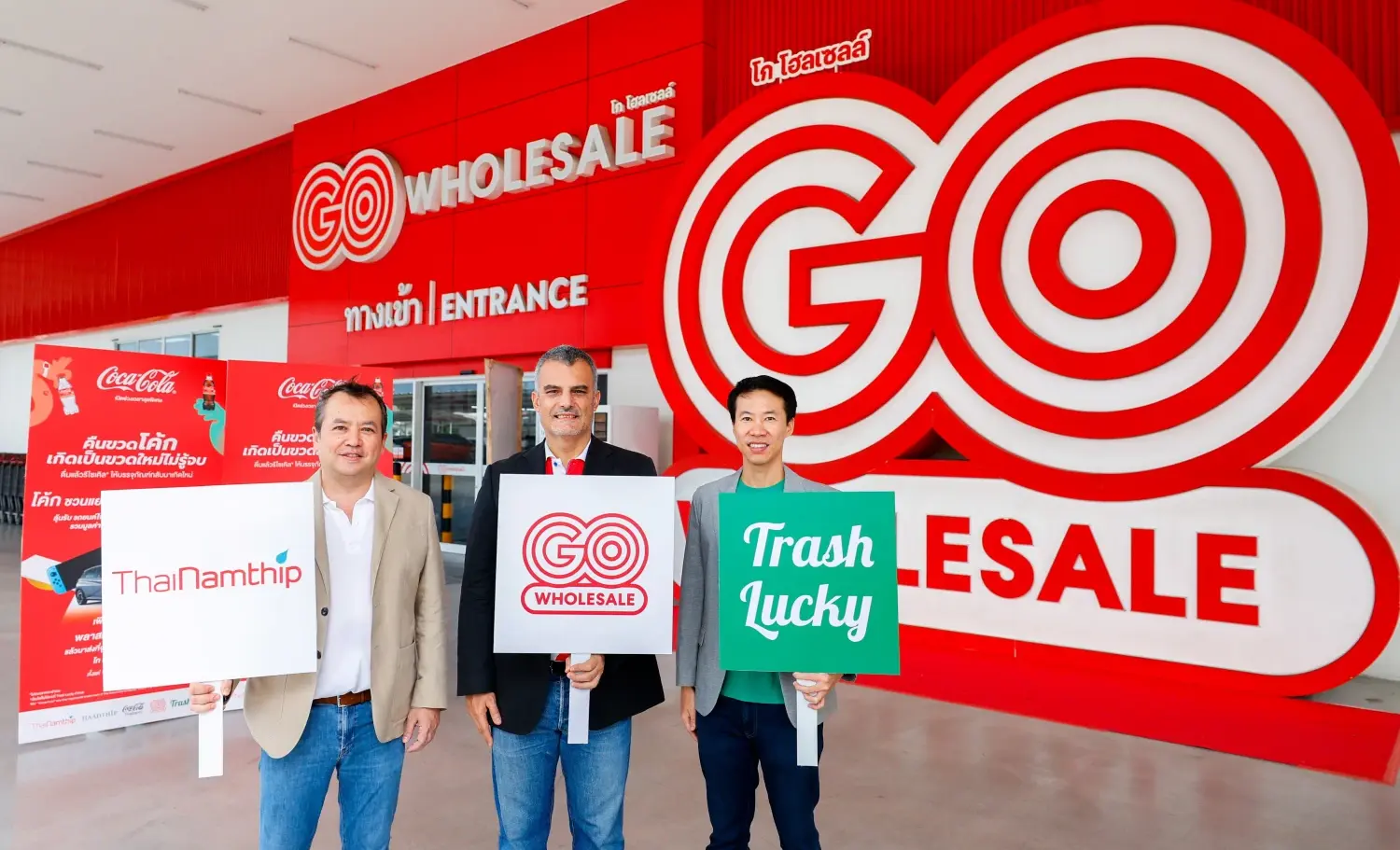
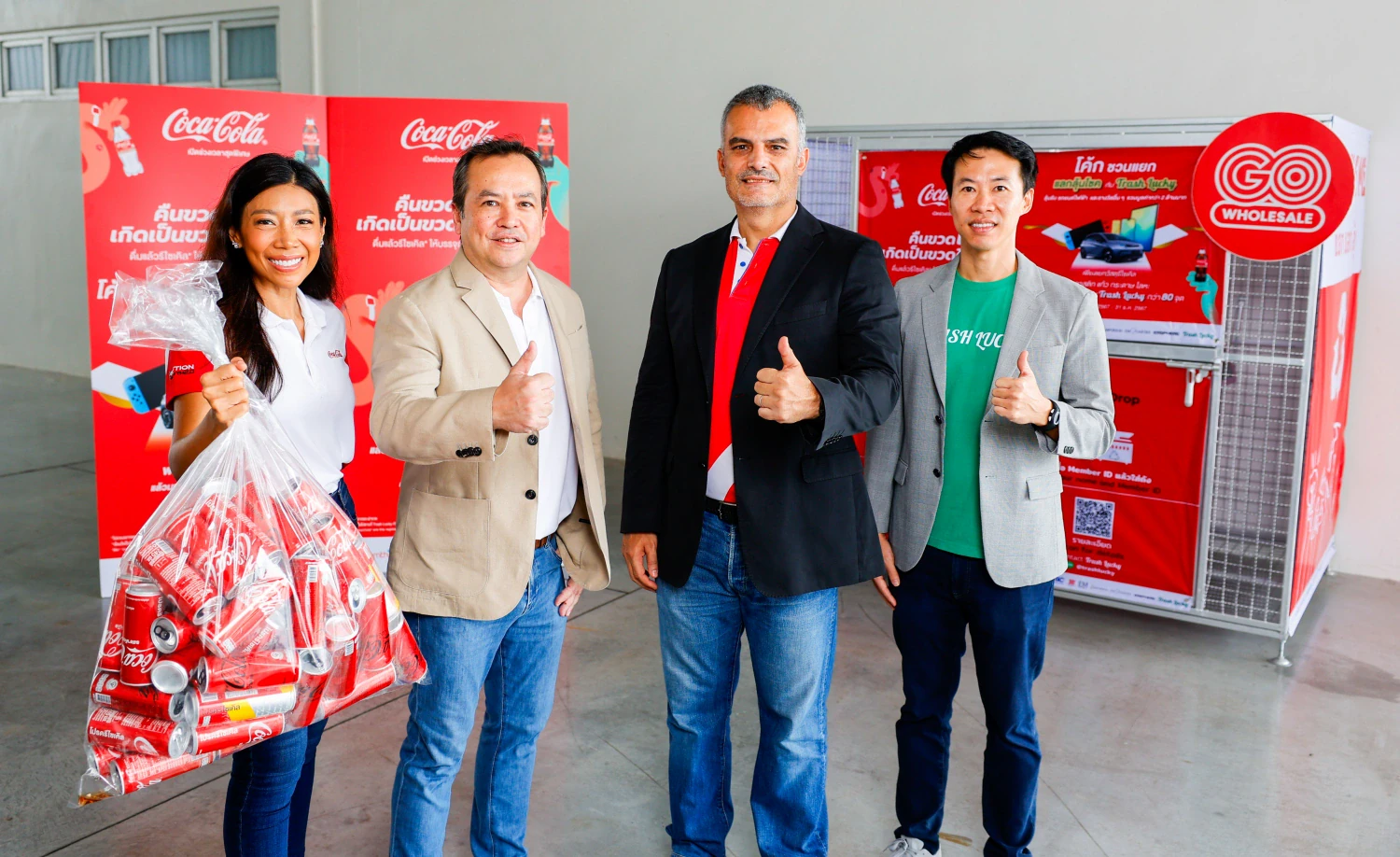
GO Wholesale, under Central Retail, partnered with Trash Lucky to promote waste segregation and recycling while encouraging customers to actively participate in responsible waste management. The initiative established dedicated recycling collection points at five GO Wholesale branches: Srinakarin, Rama 2, Rangsit, Ramkhamhaeng, and Charoen Rat. Customers can bring recyclable materials to the collection points and sort them into different categories, including cans, plastic bottles, paper, and glass, before they are properly managed and sent for recycling. To encourage continued participation, customers receive points for their recyclable waste and can accumulate points to participate in a monthly Lucky Draw, creating an engaging connection between responsible waste management and the customer experience.
In 2025, the recycling collection points at GO Wholesale collected a total of 1,413 kg of recyclable waste, demonstrating active participation from customers and stores in diverting recyclable materials from disposal and returning valuable resources to the production cycle. The initiative reflects GO Wholesale’s commitment to promoting Circular Economy principles by encouraging waste segregation at source and making recycling part of customers’ everyday behaviors. Through collaboration with partners and customer engagement, the project supports Central Retail’s efforts to reduce environmental impacts and promote more efficient and responsible resource use.
TOPS Neighbourhood Beach Cleanup project
Tops, under Central Retail, continued its “Small Acts Together” concept, which recognizes that small actions from different stakeholders can collectively create meaningful change. Through the “TOPS Neighbourhood Beach Cleanup” project, Tops aims to support marine conservation, reduce marine litter, and encourage employees, customers, local communities, and partners to take collective action for the environment.
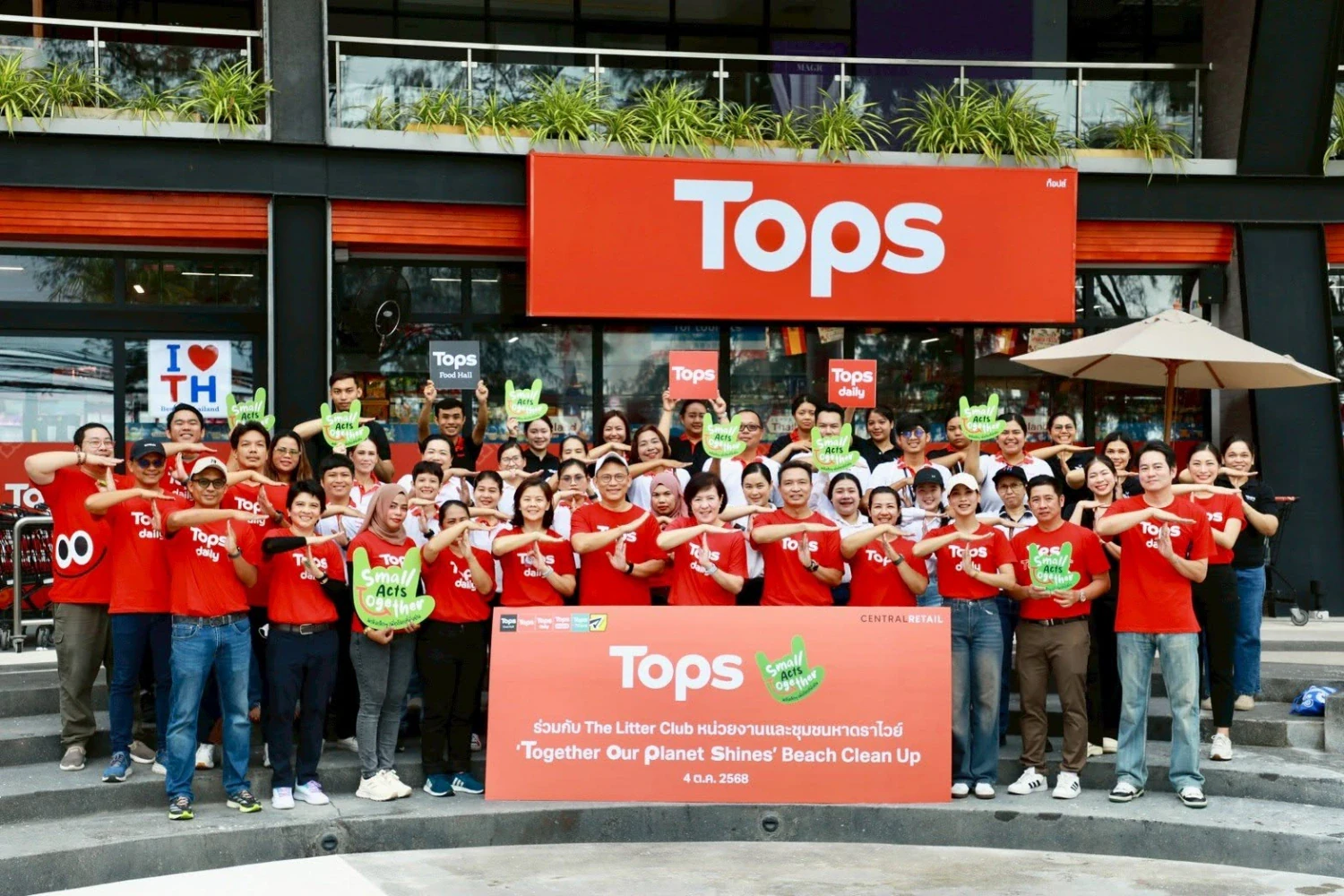
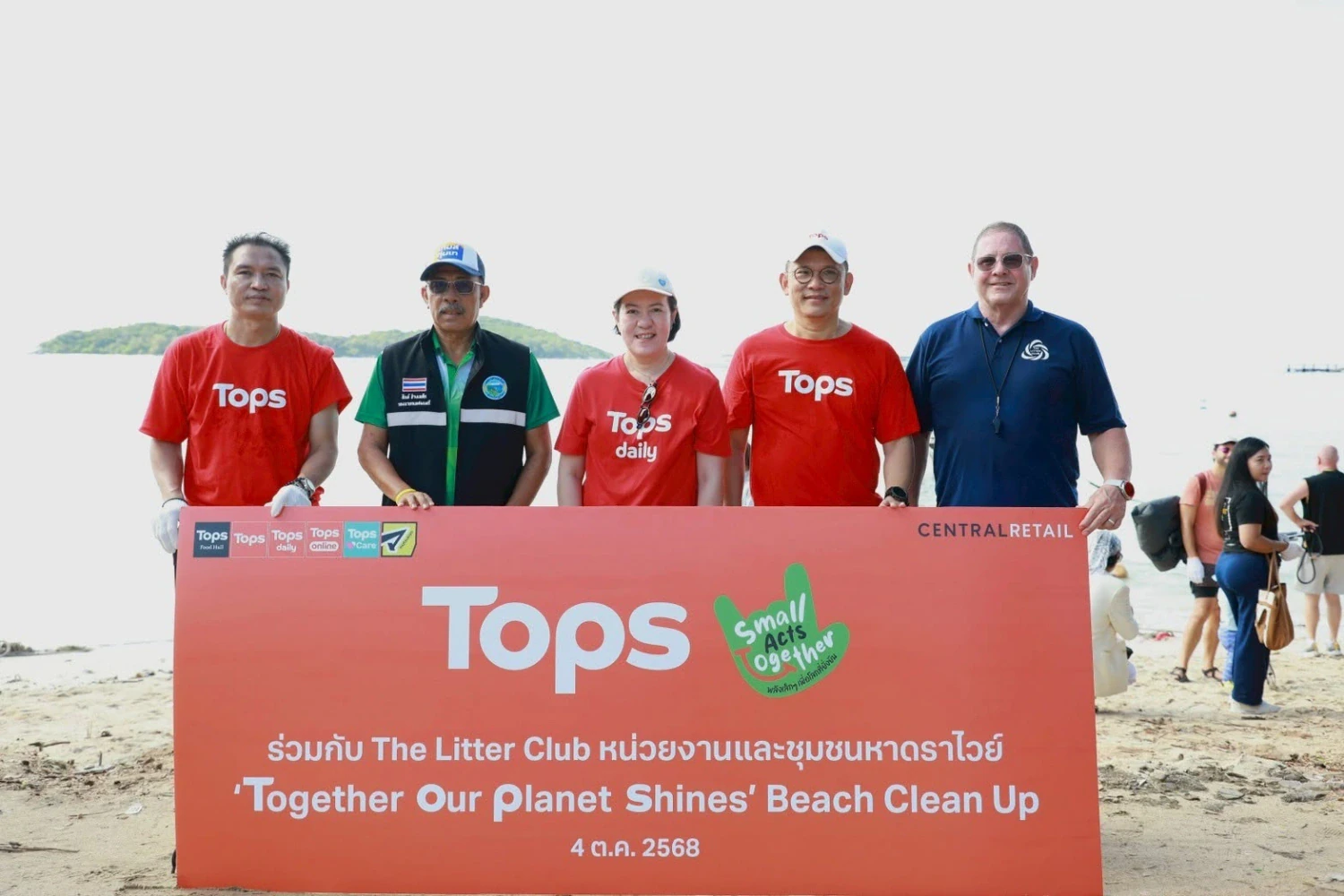
The initiative began in June 2025 at Jomtien Beach, Chonburi, where Tops collaborated with local partners and relevant organizations to collect and segregate more than 1,035 kg of waste before sending it for appropriate waste management. Building on this effort, the initiative was subsequently expanded to Rawai Beach, Phuket, in collaboration with The Litter Club and Rawai Subdistrict Municipality. The activity brought together Tops employees, local businesses, communities, and more than 128 volunteers, who collectively collected more than 1,020 kg of waste. This included approximately 930 kg of general waste and more than 90 kg of recyclable materials, such as plastic bottles, glass bottles, plastic bags, beverage cans, fishing nets, and ropes. All collected waste was segregated and directed to appropriate management processes, with recyclable materials returned to productive use in accordance with Circular Economy principles.
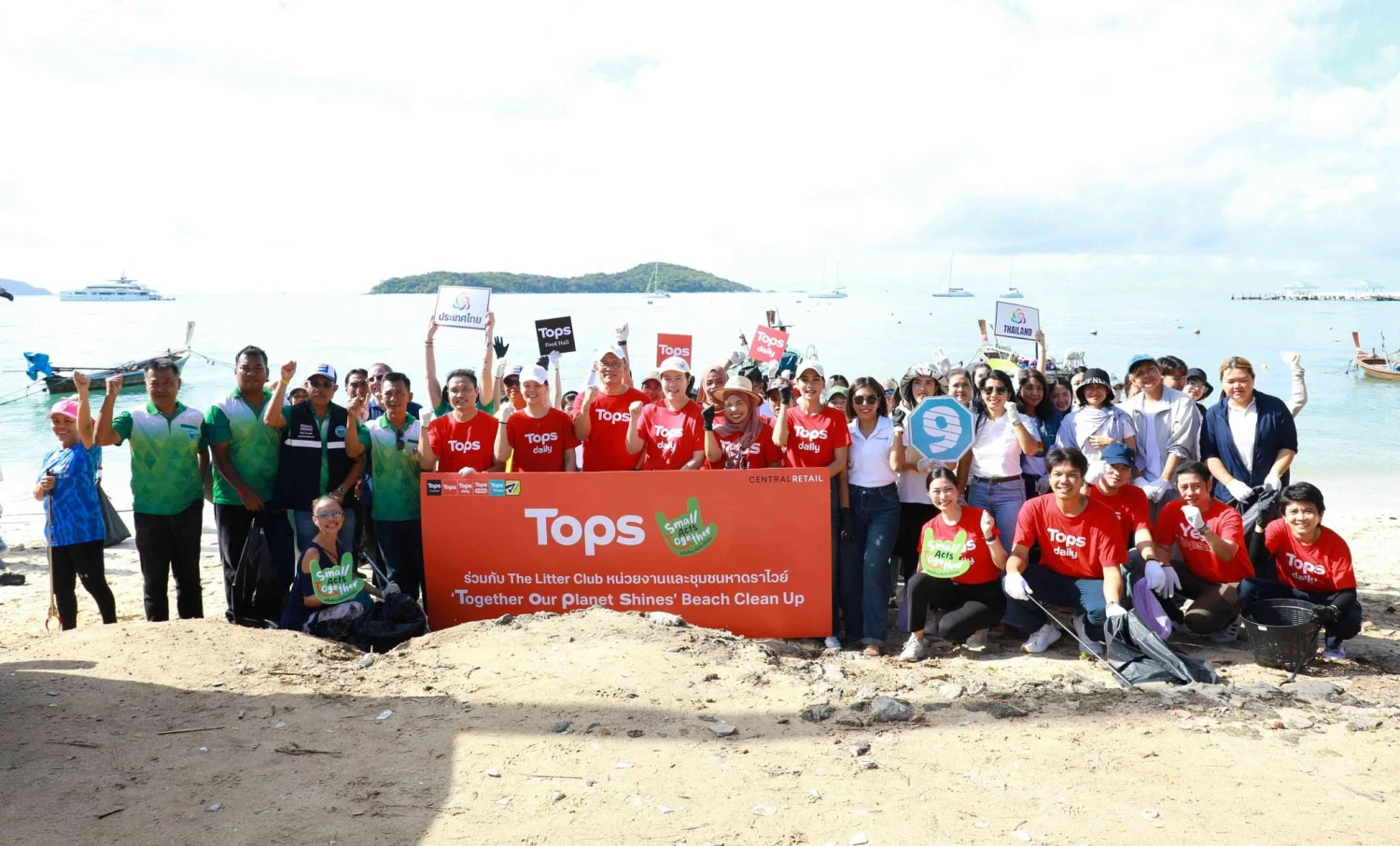
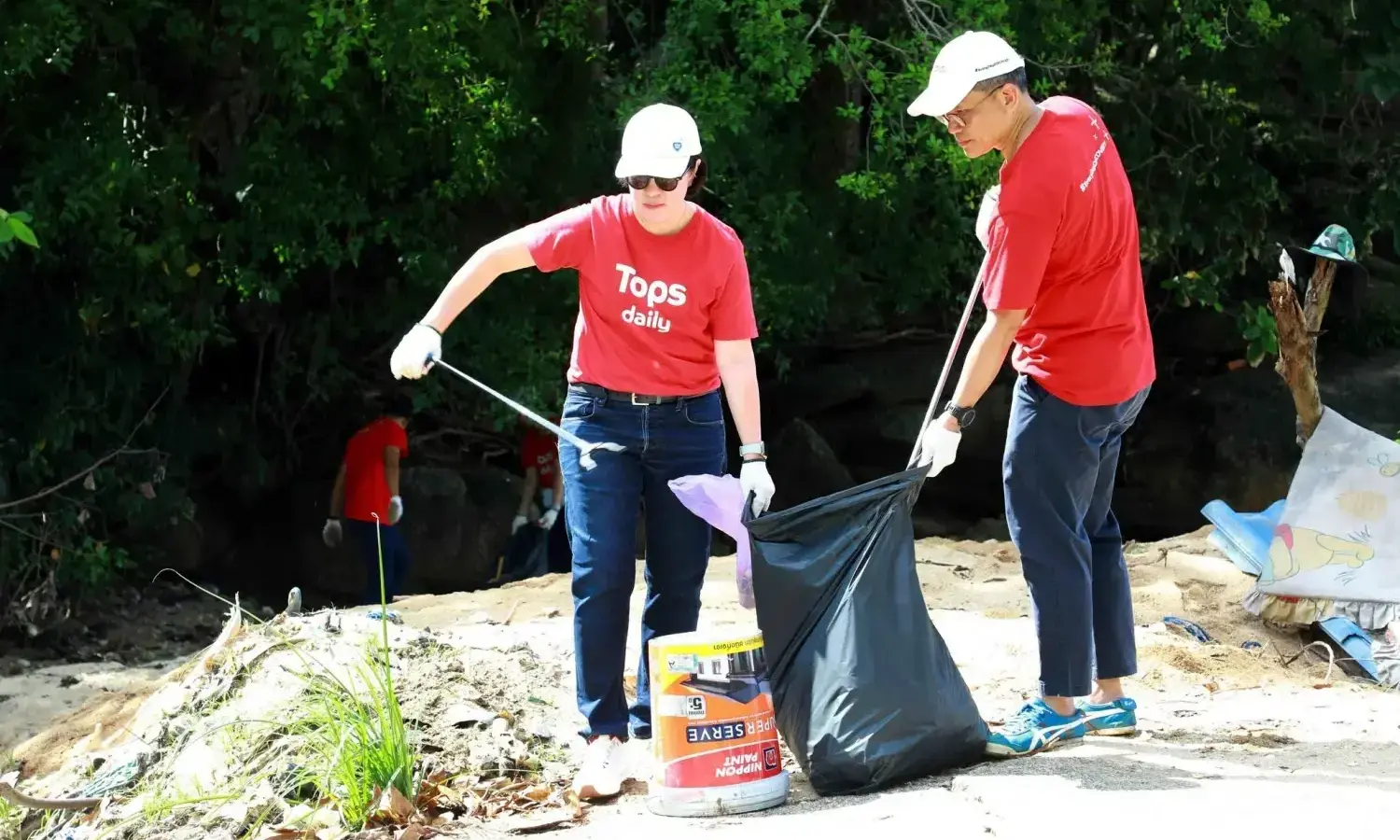
Across both locations in 2025, the project collected and segregated more than 2,055 kg of beach waste, helping reduce the amount of waste that could potentially enter the marine environment. Beyond the immediate environmental impact, the initiative demonstrated the power of collaboration among the private sector, government agencies, local communities, and volunteers, while raising awareness of marine conservation and encouraging more responsible waste management behaviors.
Through continued community engagement, Tops aims to turn small collective actions into lasting environmental change, contributing to healthier coastal ecosystems and more sustainable communities.
Waste & Used Batteries Management Project
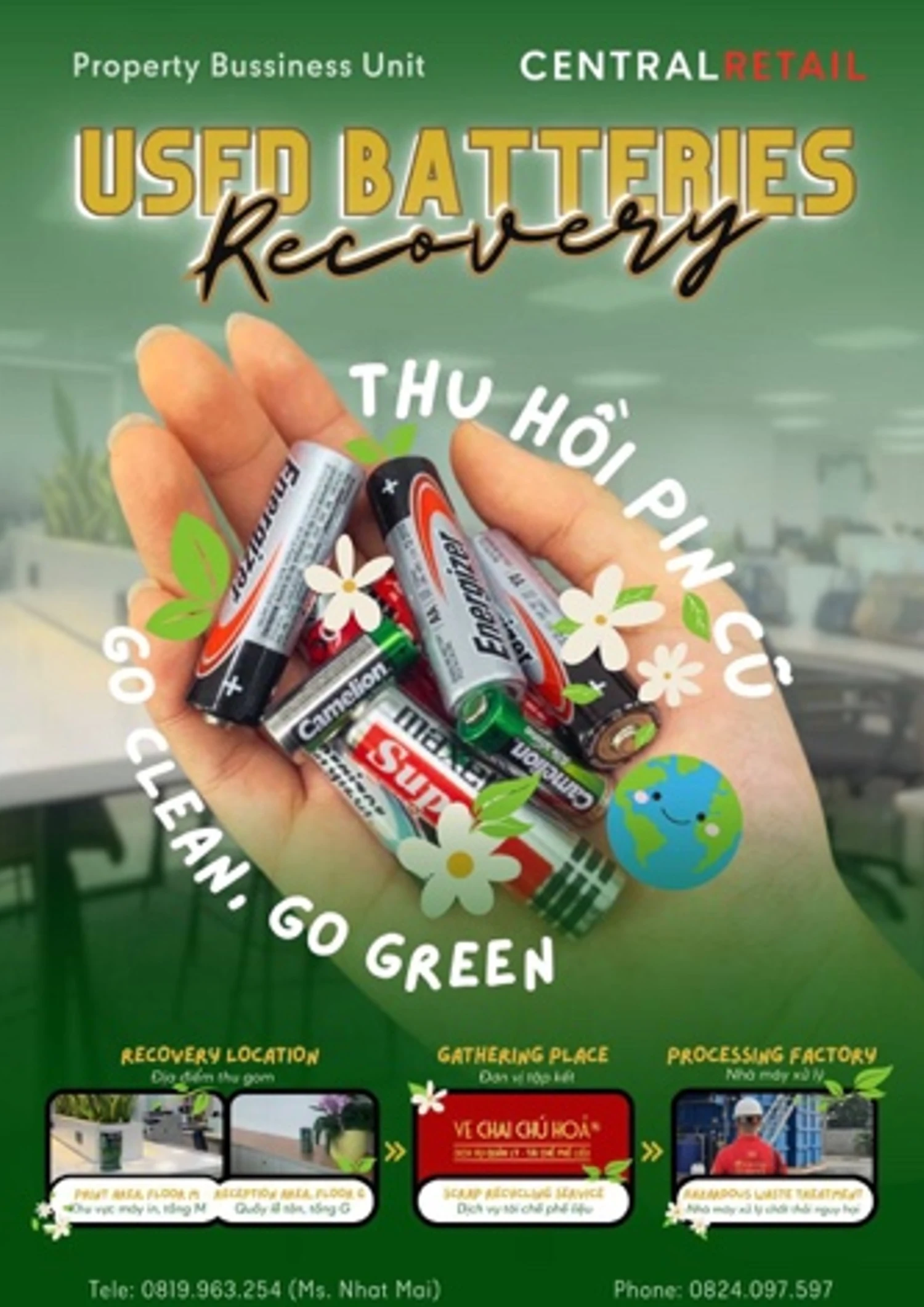
Central Retail Vietnam set up collection points at GO!, TOPS Market, and go! for hazardous waste and used batteries collecting over 1,000 batteries. Reverse Vending Machines at GO! stores nationwide recovered more than 450,000 bottles and cans for recycling.
Love the Earth: Zero Waste – AI Waste Management ‘Nong Tooktang’ Project
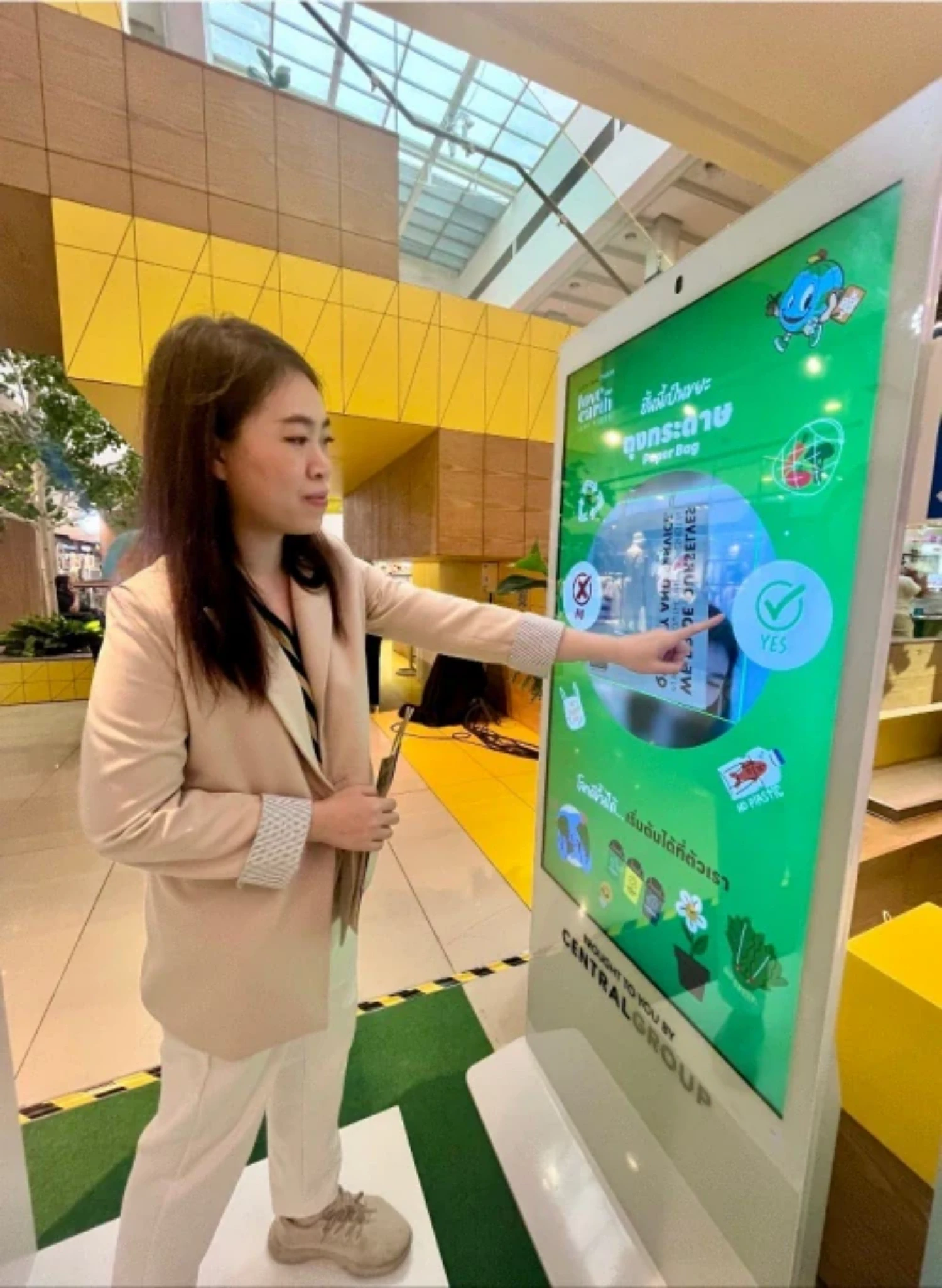
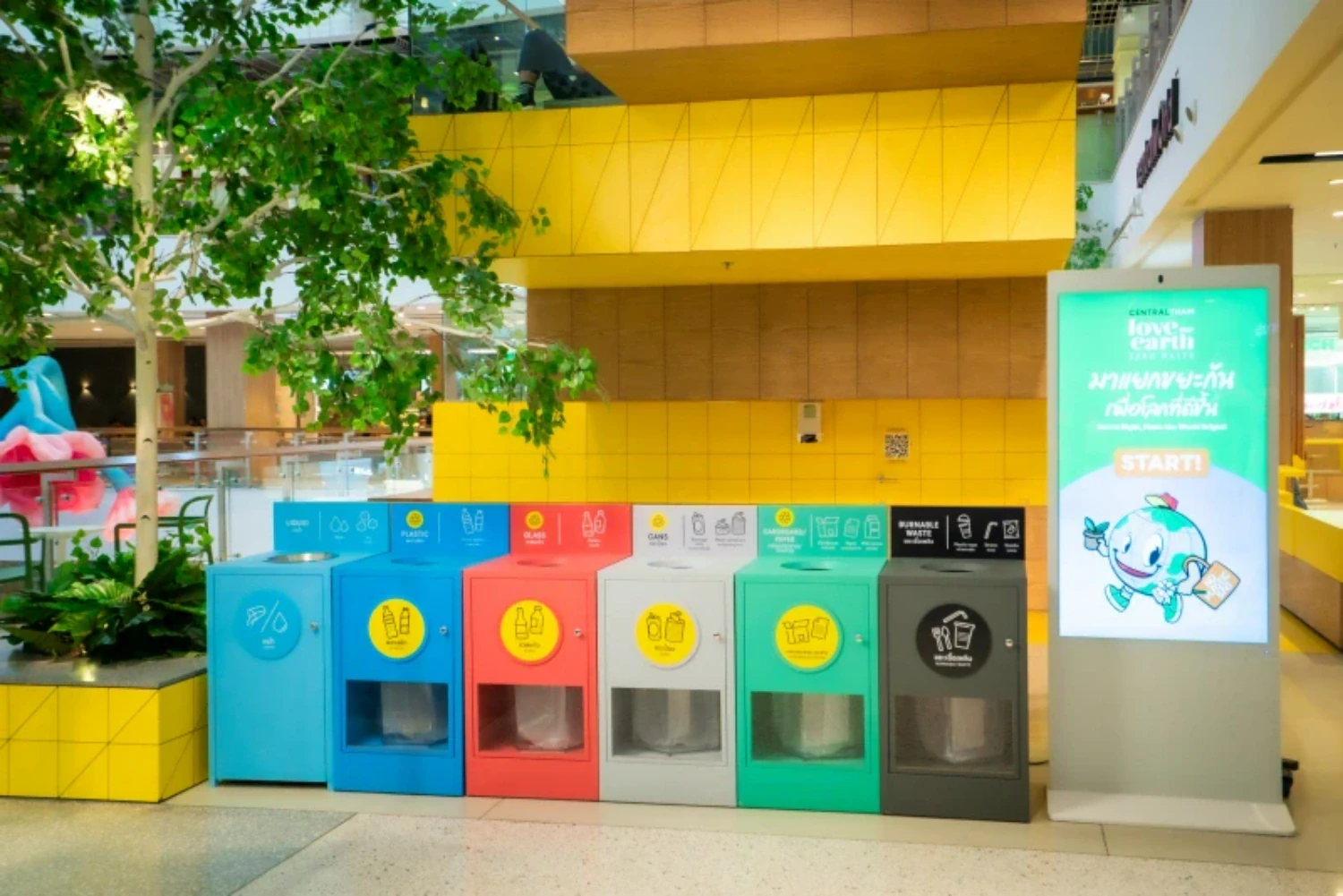
Central Retail, in collaboration with Central Group, connects all stakeholders to minimize waste sent to landfills and advance toward a Zero Waste goal. Together, they developed the ‘Nong Tooktang’ project, an environmental AI innovation created by Central Retail's innovation team. Its objectives are to reduce improper waste sorting, reduce employee workload, and elevate the waste separation habits of customers and the community. The AI system detects waste types in real-time and provides guidance on correct disposal methods, effectively increasing recycling rates.
The project debuted with interactive kiosk prototypes and is currently evolving into a QR code version to expand accessibility, reduce maintenance costs, and allow customers to conveniently scan waste using their own smartphones. ‘Nong Tooktang’ reflects Central Retail's commitment to leveraging technology for sustainable environmental solutions, while fostering engagement among customers, partners, and communities to drive the organization toward its Zero Waste target in a tangible way.
Community Biochar Project
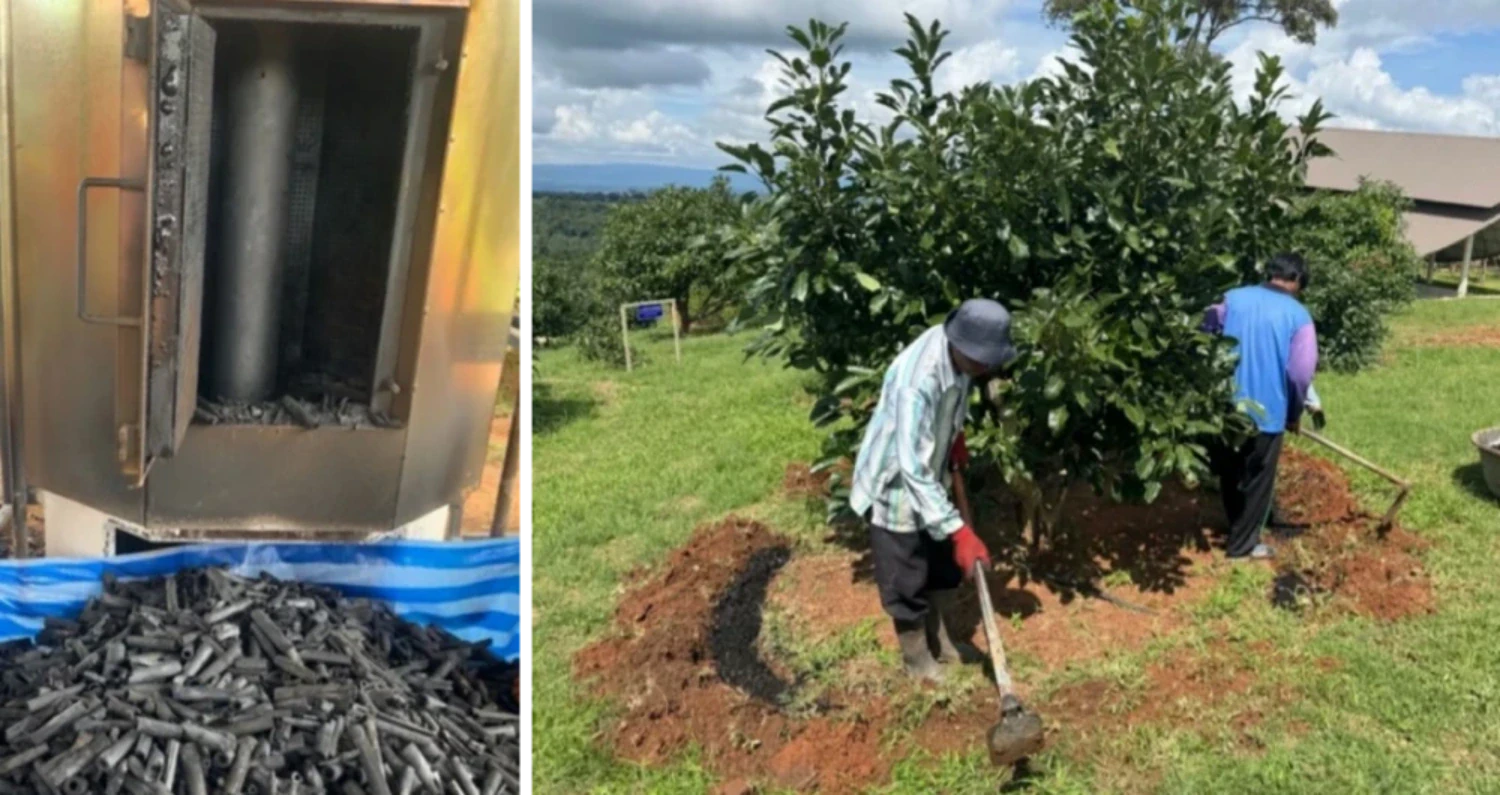
Agricultural waste is often underutilized or burned, which can negatively impact the environment. To help mitigate this issue, Robinson, a retail brand under Central Retail, has partnered with the Ban Thep Na Economic Crop Community Enterprise to support the development of a community-based biochar initiative. This collaboration involves co-investing in the construction of a facility for producing biochar and high-quality charcoal fuel, with the aim of enhancing agricultural productivity, reducing production costs, and minimizing environmental impact.
The partnership focuses on research and development of biochar production technologies that utilize agricultural waste materials. The resulting biochar can be used to improve soil quality in crop fields and boost the resilience of economic crops—particularly avocados—helping them better withstand drought conditions. Additionally, the biochar serves as a clean energy fuel source at the community level.
Central Retail believes in creating sustainable and long-term impacts. so to ensure this, the project also includes training sessions and capacity-building programs for farmers and enterprise members. These sessions aim to develop skills and promote knowledge about both the production and practical application of biochar, helping to strengthen the community’s self-reliance and elevate production standards. In addition, a portion of the agricultural output from the enterprise has already been selected for distribution through Tops stores, integrating local products into modern retail channels.
This project not only reduces environmental impact from chemical fertilizer use but also acts as a critical mechanism for building community resilience in the face of climate change. There are also plans to expand the initiative to other areas in Thep Sathit District, aiming to raise the long-term productivity and sustainability standards of local farmers.